
Most people pick their toothpaste based on flavour or packaging. When it comes to fluoride strength, the decision gets left to guesswork, and that guesswork has real consequences. Choosing the wrong 1000ppm fluoride toothpaste or jumping straight to 1450ppm without understanding why can mean under-protecting a high-risk adult or, in a clinical setting, prescribing a concentration that a patient with sensory sensitivities will simply refuse to use. This guide cuts through the confusion, maps the NHS-aligned recommendations by age and risk level, and explains exactly when each concentration is the right call.
Table of Contents
- What PPM Actually Means in Fluoride Toothpaste
- NHS Guidelines by Age and Risk Level
- When 1000ppm Is the Right Choice
- When 1450ppm Is the Right Choice
- Compliance Beats Concentration Every Time
- Side-by-Side Comparison: 1000ppm vs 1450ppm Toothpaste
- Special Care and Sensory Needs: Where Formulation Matters as Much as Strength
- Frequently Asked Questions
- Quick Takeaways
- References
What PPM Actually Means in Fluoride Toothpaste
PPM stands for parts per million. In toothpaste, it describes how many milligrams of fluoride are present per kilogram of product. A tube labelled 1000ppm fluoride contains 1mg of fluoride per gram of paste. A 1450ppm tube contains 1.45mg per gram. That is not a dramatic numerical jump, but the clinical significance shifts depending on the patient’s age, cavity risk, and ability to maintain a consistent routine.
Fluoride works primarily through two mechanisms: it remineralises early-stage enamel damage, and it makes enamel more resistant to acid attack from bacteria in dental plaque. Both mechanisms depend on contact time and frequency. The concentration sets a ceiling on what is possible; the patient’s brushing behaviour determines whether that ceiling is ever reached.
What the number on the tube does not tell you is whether the patient will actually use the product. Flavour, foaming, texture, and smell all determine whether a toothpaste gets used consistently, used briefly and reluctantly, or abandoned entirely after a week.
NHS Guidelines by Age and Risk Level
The NHS and NICE guidance on fluoride toothpaste is consistent and age-stratified. It does not leave the choice open to preference. Understanding the framework is the starting point for any clinical or consumer decision about fluoride strength.
Children Under 3 Years
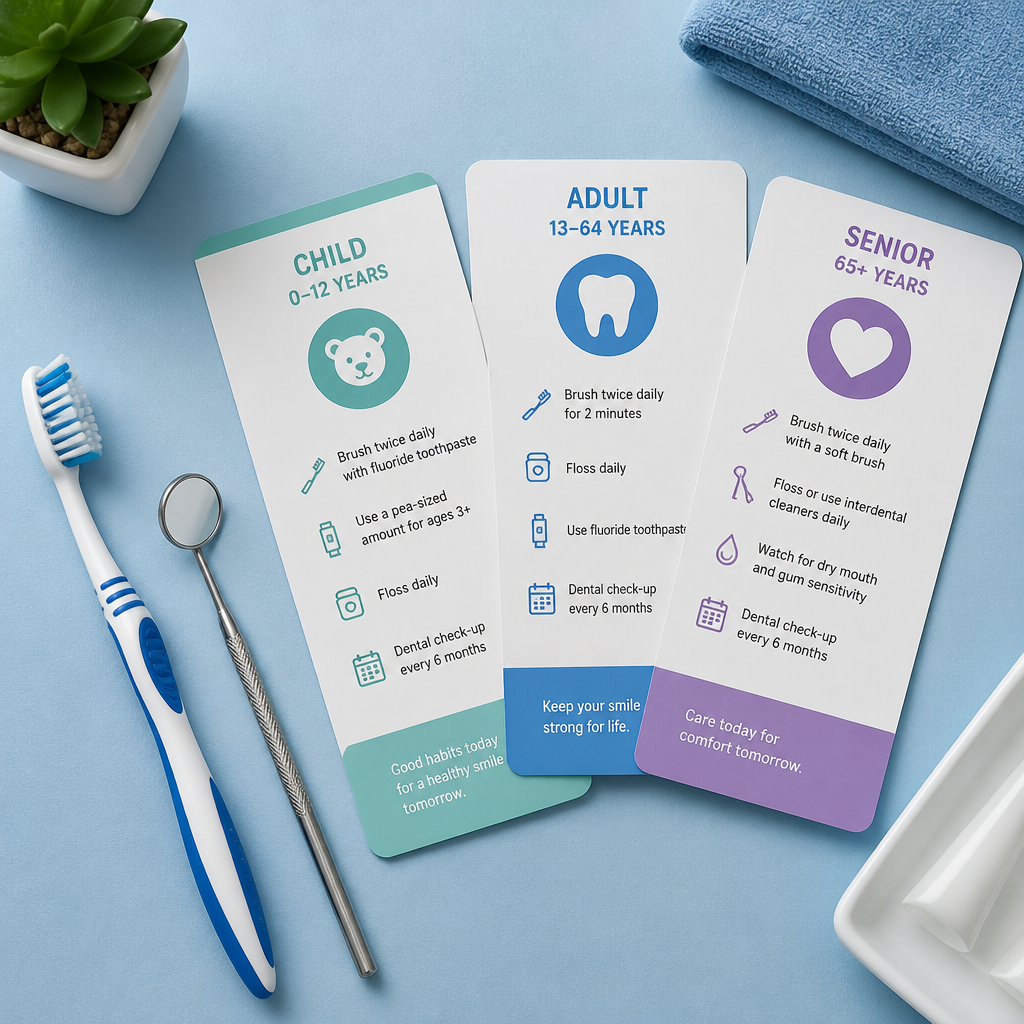
As soon as teeth erupt, brushing should begin twice daily with a toothpaste containing no less than 1000ppm fluoride, using only a smear. This lower end of the range is appropriate for very young children because ingestion risk is higher and the developing dentition does not yet require the same protective ceiling as an adult dentition. The NICE guidance is explicit: for babies and young children, a toothpaste with at least 1000ppm is the standard recommendation, applied as a smear of paste.
Children Aged 3 to 6 Years
From age three, the recommendation moves to a pea-sized amount, still with a toothpaste containing more than 1000ppm fluoride. Children aged 3 to 6 who are assessed as having a higher caries risk, or who present with special care needs, may be advised to use a 1350 to 1500ppm toothpaste even at this age. That clinical judgement belongs with the dentist, not the supermarket shelf.
Children Aged 7 and Over, and Adults
For children aged seven and above and all adults, NHS-aligned guidance recommends brushing twice daily with a toothpaste containing 1350 to 1500ppm fluoride. Adults should brush at least twice daily with toothpaste in this range. The 1450ppm formulation sits comfortably within this recommended band and is the standard protective concentration for the general adult population.
Why 1450ppm and not the regulatory limit of 1500ppm
The reason most adult toothpastes are 1450ppm and not 1500ppm is that over 1500ppm toothpaste becomes a medicine and requires a prescription. At 1450ppm it gives the manufacturer a slight leeway to guarantee their mix never exceeds 1500ppm.
Pro tip: After brushing, spit out the toothpaste but do not rinse with water or mouthwash. Rinsing immediately afterwards washes away residual fluoride and significantly reduces the protective effect, regardless of which concentration you are using.
When 1000ppm Is the Right Choice
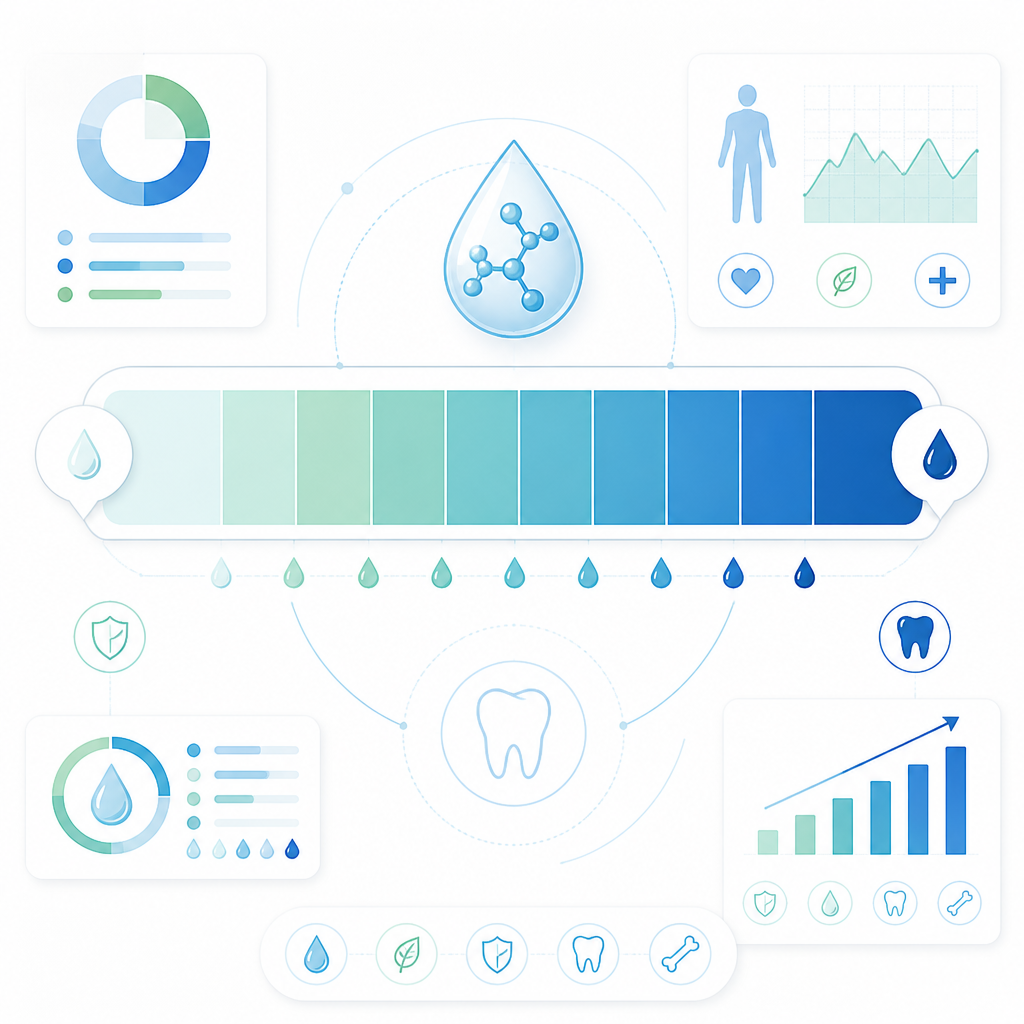
The 1000ppm strength is not simply a children’s formulation. It has a specific and meaningful role for several patient groups that extends well beyond age-based dosing. Treating it as a product to phase out as soon as a child turns seven misses the clinical picture.
Infants and Toddlers Following NHS Guidance
For children under three, 1000ppm is the appropriate strength. The smear application combined with the lower concentration keeps fluoride exposure within a safe range for a child who cannot reliably spit. This is the use case most clinicians and parents already understand.
Patients Where Compliance Is the Primary Barrier
A 1000ppm fluoride toothpaste used twice daily for two minutes delivers measurably better outcomes than a 1450ppm product used irregularly for thirty seconds before spitting. If a patient, whether a child or an adult with sensory sensitivities, will only consistently use a 1000ppm formulation, that consistent lower-dose exposure outperforms the theoretical ceiling of a higher-strength product that never gets properly used.
Healthcare Settings with Supervised Brushing
In care home or hospital settings where supervised toothbrushing is delivered to patients with limited capacity, 1000ppm is sometimes the appropriate choice where swallowing is a concern. The clinical team’s assessment should drive this, but having the formulation available through NHS Supply Chain matters. The oraNurse 1000ppm unflavoured toothpaste is available on the NHS Supply Chain in both 50ml and 15ml formats, precisely because this need exists across healthcare settings.
When 1450ppm Is the Right Choice
For most adults and children aged seven and over with no specific reason to use a lower concentration, 1450ppm is the clinically appropriate choice. It sits within the NHS-recommended 1350 to 1500ppm range and provides the best routine protection against dental decay for the general population.
Standard Adult Oral Care
If you are an adult brushing twice daily with good technique and no swallowing concerns, there is no advantage to using a lower fluoride concentration. The 1450ppm formulation gives your enamel the full protective benefit that fluoride can offer within an over-the-counter product range. Moving down to 1000ppm without clinical reason means accepting a lower protective ceiling unnecessarily.
Children Aged 3 to 6 with Elevated Caries Risk
NICE guidance allows clinicians to recommend 1350 to 1500ppm for younger children who show signs of elevated caries risk or who have special care needs. This moves the decision from a default age-based rule to a clinical one. It requires a dental professional to make that call, but it is firmly within current evidence-based guidance.
Pro tip: If you are recommending toothpaste to a patient who has previously avoided brushing due to flavour sensitivity, switching to an unflavoured 1450ppm formulation often has a bigger impact on their oral health outcomes than any change in fluoride concentration alone. Compliance is the variable you can actually move.
Compliance Beats Concentration Every Time
The clinical research on fluoride consistently points to one finding that the toothpaste aisle packaging never tells you: patient compliance is the dominant factor in fluoride effectiveness. Concentration is a starting point, not a guarantee.
The data consistently shows that a 1000ppm fluoride toothpaste used twice daily for two minutes delivers measurably better outcomes than 1450ppm used irregularly for thirty seconds before spitting.
This matters most for patients with sensory sensitivities, learning disabilities, autism, or conditions that create aversion to conventional oral care products. For these individuals, the barrier to effective oral hygiene is not the fluoride strength printed on the tube. It is the flavour, the foam, the texture, and the ritual of brushing itself.
Unflavoured, non-foaming formulations address the most common reasons patients abandon their brushing routine. When a patient who has not brushed properly in months starts brushing twice daily with an unflavoured 1000ppm or 1450ppm toothpaste, the fluoride exposure they receive over a week, a month, a year, is categorically higher than what they were getting before. That cumulative exposure is what protects teeth.
Side-by-Side Comparison: 1000ppm vs 1450ppm Toothpaste
The table below compares the two main over-the-counter fluoride strengths across the factors that matter most when making a clinical or consumer recommendation.
| Factor | 1000ppm Fluoride Toothpaste | 1450ppm Fluoride Toothpaste |
|---|---|---|
| Primary recommended age group | Children under 3 (minimum), up to 6 for standard use | Children 7 and over, all adults |
| NHS/NICE alignment | Meets minimum NHS recommendation for children under 3 | Within recommended 1350-1500ppm adult range |
| Over-the-counter availability | Yes, available without prescription | Yes, available without prescription |
| NHS Supply Chain availability (oraNurse unflavoured) | Yes, 50ml and 15ml formats | Yes, 50ml and 15ml formats |
| Best use case for sensory-sensitive patients | Children with sensory needs where lower dose is indicated | Sensory-sensitive adults needing full protection without flavour triggers |
| Swallowing risk consideration | Lower risk due to reduced concentration per gram | Appropriate where spitting is reliable |
| Caries protection ceiling | Adequate for low-to-moderate risk when used consistently | Stronger baseline protection for adult dentition |
Special Care and Sensory Needs: Where Formulation Matters as Much as Strength
For healthcare professionals working in special care dentistry, care homes, or paediatric settings, the fluoride strength conversation cannot be separated from the formulation conversation. A product that a patient refuses to use has an effective fluoride concentration of zero.
The populations who benefit from specially formulated toothpaste are broader than most clinicians initially assume. The headline use case is autism and sensory processing conditions, but the clinical need extends to patients with learning disabilities, dementia, post-surgical oral sensitivity, chemotherapy-related mucositis, and older adults with changes in taste perception or gag reflex sensitivity.
Why Unflavoured and Non-Foaming Matters
Standard toothpastes contain sodium lauryl sulphate (SLS), which creates foam and can irritate oral mucosa. They contain flavourings, most commonly mint, that trigger aversion responses in a significant portion of the sensory-sensitive population. Removing both the SLS and the flavouring does not reduce the fluoride content. The active protective ingredient remains intact. What changes is the likelihood that the patient actually brushes, for the recommended two minutes, twice a day, every day.
Choosing Between oraNurse 1000ppm and 1450ppm for Sensitive Patients
The oraNurse range offers both fluoride strengths in an unflavoured, non-foaming formulation. For a sensory-sensitive child under seven, the 1000ppm option aligns with standard NHS age-based guidance. For a sensory-sensitive adult, including autistic adults who have historically avoided brushing due to flavour intolerance, the 1450ppm unflavoured formulation delivers full adult-level protection without the triggers that cause avoidance. The clinical decision between the two concentrations follows exactly the same NHS guidelines that apply to any patient. What oraNurse adds is a formulation that makes following through on that recommendation realistic.
Frequently Asked Questions
Is 1000ppm fluoride toothpaste strong enough for adults?
For most adults, 1000ppm is below the NHS-recommended range of 1350 to 1500ppm and does not provide optimal caries protection. The exception is adults where compliance is the overriding concern. If a patient with significant sensory sensitivities will consistently use a 1000ppm unflavoured toothpaste but not a standard 1450ppm product, the regular use of 1000ppm is clinically preferable to irregular or avoided brushing. This should be discussed with a dental professional who can assess individual caries risk.
Can children use 1450ppm toothpaste?
Yes, with guidance. Children aged 3 to 6 who are assessed as being at higher caries risk, or who have special care needs, may be recommended to use a 1350 to 1500ppm toothpaste. Children aged 7 and over follow the same recommendation as adults. The amount used (smear for the youngest children, pea-sized for 3 to 6) is as important as the concentration. Always follow the advice of a dentist or dental hygienist for children in this age range.
Does using a higher fluoride toothpaste whiten teeth faster?
No. Fluoride concentration has no bearing on tooth whitening. The fluoride in toothpaste works on enamel remineralisation and acid resistance, not on removing surface staining or altering tooth colour. Whitening claims in toothpaste relate to abrasives and other ingredients, not to fluoride levels. Do not select a fluoride strength based on whitening expectations.
What is the difference between 1000ppm and 1450ppm fluoride toothpaste in practice?
In practice, the difference is 0.45mg of fluoride per gram of paste. For a patient using a standard amount twice daily, this adds up over time and does represent a meaningful difference in protective fluoride exposure, particularly for adults with moderate caries risk. However, the practical difference between a patient using 1450ppm briefly and badly, and one using 1000ppm thoroughly and consistently, almost always favours the patient with the better technique and routine.
Where can sensory-sensitive patients get unflavoured fluoride toothpaste at both strengths?
oraNurse produces unflavoured, non-foaming toothpaste in both 1000ppm and 1450ppm. Both products are available through pharmacies using the relevant PIP code, and through the NHS Supply Chain in 50ml and 15ml formats. This makes them accessible for individual consumers ordering through a pharmacist, and for healthcare facilities sourcing oral care products for patients in their care.
Should I stop rinsing after brushing with fluoride toothpaste?
Yes. Rinsing with water or mouthwash immediately after brushing removes residual fluoride from the tooth surfaces before it has completed its protective action. The NHS guidance is to spit out excess toothpaste and not rinse. This applies regardless of whether you are using a 1000ppm or 1450ppm product. It is one of the highest-impact behaviour changes in everyday oral care, and it costs nothing.
Is there a fluoride strength above 1450ppm that patients can access without a prescription?
No. Toothpastes above 1500ppm, including 2800ppm and 5000ppm products, are prescription-only in the UK. They are used for patients with significantly elevated caries risk, such as those with severe dry mouth, post-radiotherapy conditions, or elderly patients with complex restorative histories. These products are prescribed by a dentist and are not a consumer over-the-counter option.
Quick Takeaways
| Key Insight | Explanation |
|---|---|
| 1000ppm is not just for infants | It has a legitimate role for sensory-sensitive patients of any age where consistent compliance depends on the formulation rather than the concentration. |
| 1450ppm is the NHS-standard adult recommendation | Adults and children aged 7 and over should use a toothpaste in the 1350 to 1500ppm range, and 1450ppm sits squarely within this. |
| Compliance determines real-world outcomes | A lower concentration used consistently outperforms a higher one used reluctantly or briefly. Formulation (flavour, foam, texture) drives compliance. |
| Unflavoured does not mean lower protection | Removing SLS and flavourings has no effect on fluoride content. Unflavoured toothpaste at 1450ppm protects teeth as effectively as any standard mint formulation at the same concentration. |
| Never rinse after brushing | Rinsing removes residual fluoride from teeth before it can act. Spitting and not rinsing is one of the most impactful, lowest-effort changes in oral hygiene practice. |
| Prescription strengths exist above 1500ppm | Patients with very high caries risk may need 2800ppm or 5000ppm, which are only available through prescription and are not a consumer over-the-counter option. |
| Healthcare settings need both strengths available | NHS Supply Chain carries both oraNurse 1000ppm and 1450ppm in clinic-friendly formats, making it possible to match the right concentration to each patient without improvising. |
References
- NHS Inform Scotland: Fluoride dental treatments and toothpaste guidance for adults and children
- NICE Public Health Guidance PH55: Delivering Better Oral Health, fluoride recommendations by age and risk
- oraNurse: Unflavoured toothpaste for sensory-sensitive oral care and compliance evidence
- oraNurse: Complete guide to unflavoured toothpaste for autistic adults, including fluoride strength selection
- PubMed Central: Research on high-concentration prescription fluoride toothpaste for caries prevention in older populations