

Every parent knows the feeling: toothbrush in hand, a child clamped shut, and a bedtime battle that leaves everyone stressed before the lights even go out. When a child refuses toothbrushing, it rarely comes down to simple stubbornness. More often, there is a genuine sensory experience driving the resistance, one that standard minty, foaming toothpastes and firm-bristled brushes make significantly worse. This guide walks through the real reasons children refuse, the gradual steps that actually work, and the product choices that remove the biggest barriers, including why unflavoured, non-foaming toothpaste is frequently the single most effective change a family can make.
Table of Contents
- Quick Takeaways
- Why Children Refuse Toothbrushing
- Step-by-Step Introduction Plan
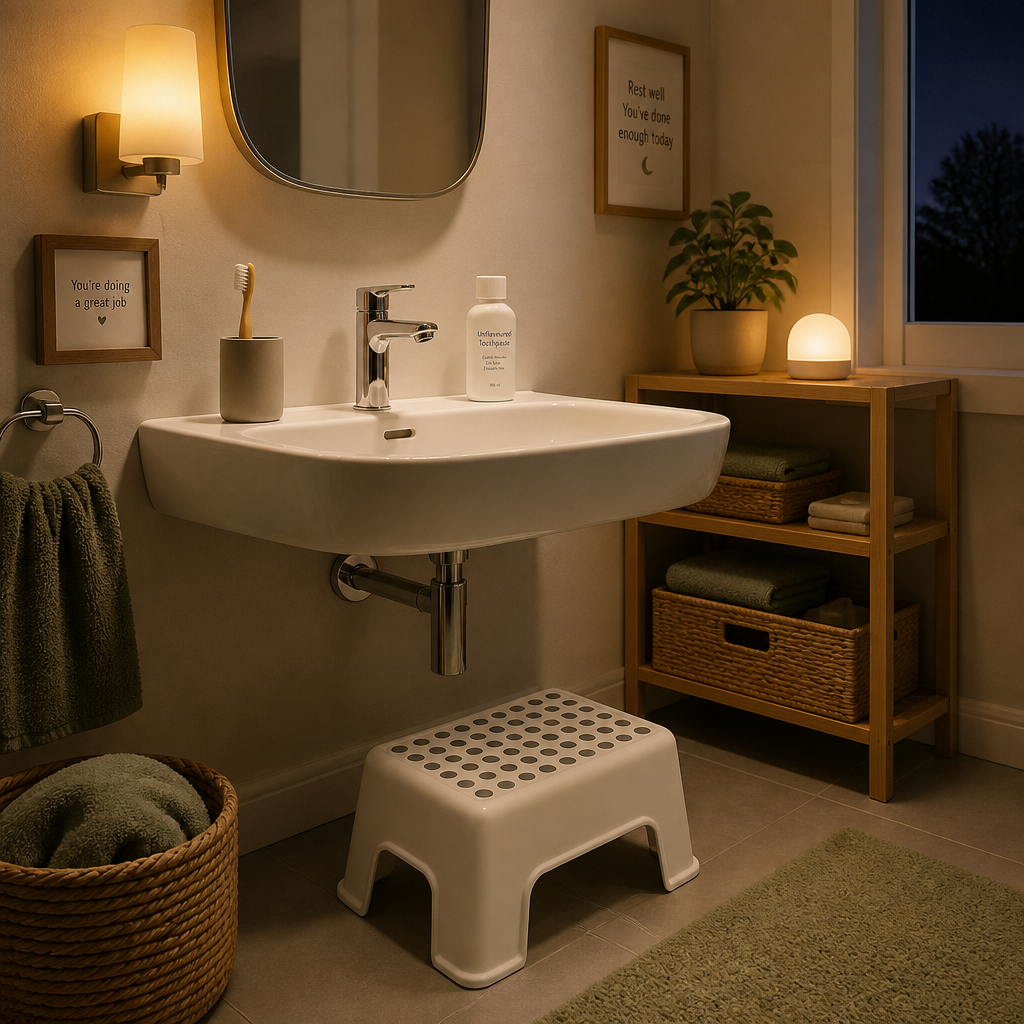
- Choosing the Right Toothpaste for a Reluctant Child
- Choosing the Right Toothbrush
- Approach Comparison: Which Method Works Best
- Advice for Healthcare Professionals and Carers
- Frequently Asked Questions
- References
Quick Takeaways
| Key Insight | Explanation |
|---|---|
| Sensory overload is the most common root cause | Toothbrushing combines taste, texture, sound, and pressure simultaneously. For sensory-sensitive children, this is genuinely overwhelming, not defiance. |
| Unflavoured, non-foaming toothpaste removes the biggest barrier | Strong mint and SLS-induced foam are the two most reported triggers for toothpaste refusal. Switching to an unflavoured, SLS-free formula often resolves resistance faster than any behavioural strategy alone. |
| Gradual desensitisation beats forced compliance every time | Beginning with lip touch, progressing to front teeth, and slowly extending coverage over days or weeks builds tolerance without trauma and lasting avoidance. |
| Super-soft brushes with small heads reduce gum discomfort | Standard medium-bristle brushes press hard against tender gum tissue. A small-headed, super-soft brush is often the difference between acceptance and refusal. |
| Routine predictability lowers anxiety before the brush arrives | Children who know exactly what to expect, same time, same place, same sequence, show significantly lower resistance than those for whom toothbrushing appears as a surprise demand. |
| Brushing alongside the child works better than brushing at them | Modelling the action yourself while the child watches or mirrors removes the sense of being done to, which is a key driver of resistance in toddlers and young children. |
| The two-brush method gives control back to the child | Offering one brush for the child to hold and use while you use a second brush to cover areas they miss is a well-established approach that reduces struggle without abandoning thorough cleaning. |
Why Children Refuse Toothbrushing
Toothbrushing refusal is rarely one problem. It is usually a combination of sensory, emotional, and developmental factors that parents are trying to resolve with a single approach that does not address any of them.
Sensory sensitivity is the most clinically significant factor. Toothbrushing is a high-sensory task: it involves touch inside the mouth, taste, smell, sound, and vibration all at once. For children with heightened sensory processing, whether diagnosed with autism, ADHD, or simply sitting at the sensitive end of the typical range, this combination can feel actively unpleasant rather than mildly annoying.
The taste of toothpaste, the texture of the brush, and the foam in the mouth can each independently trigger refusal. When all three happen together, the child’s nervous system can register the experience as something to escape, not just endure.
The specific triggers most parents overlook
Strong mint flavour is the most frequently reported taste trigger. Mint activates cold receptors in the mouth and can feel sharp or burning to a child with a sensitive palate. Foaming agents, specifically sodium lauryl sulphate (SLS), create a sensation many sensory-sensitive children describe as overwhelming. The foam fills the mouth rapidly and makes it harder to control the experience.
Brush bristle firmness is a second underappreciated factor. A standard medium-bristle toothbrush pressed against inflamed or tender gum tissue causes real discomfort. The child is not being dramatic: firm bristles on tender gums hurt.
Finally, the loss of control that comes with a parent physically brushing a young child’s teeth is a trigger in itself. Toddlers in particular are in a developmental phase of asserting autonomy, and being held still with something in their mouth feels threatening regardless of sensory sensitivity.
Step-by-Step Introduction Plan
The most effective approach to a child who refuses toothbrushing is gradual desensitisation: systematically building tolerance from the least aversive step to full brushing over a period of days or weeks. Forcing progress faster than the child’s nervous system can adapt does not save time. It creates lasting avoidance that is harder to undo.
Stage 1: Establish mouth and face touch tolerance
Before a toothbrush enters the picture at all, spend a few days on comfortable oral touch. Gently touch the child’s lips during relaxed moments, play, or just before bath time. The goal is for the mouth area to stop being associated exclusively with the stressful brushing attempt.
Oral motor warm-up activities before brushing can also lower the nervous system’s alert level. Activities such as blowing bubbles, using a whistle, or providing a chewy snack engage the oral motor system in a low-pressure, enjoyable way. This kind of pre-brushing routine meaningfully reduces the intensity of the child’s reaction when the brush is introduced.
Stage 2: Introduce the toothbrush without toothpaste
Let the child hold the toothbrush. Let them examine it, press the bristles against their palm, and decide when it approaches their mouth. Gently touch the bristles to their lips, then to the front of their teeth, with no expectation of full brushing. Keep every interaction short and positive. Do not push past the child’s visible comfort point at this stage.
Use a brush with a small head and super-soft bristles from the start. A large-headed brush with medium bristles at this stage will derail the desensitisation process. The physical sensation of the brush needs to be as gentle as possible while the child is still building tolerance.
Pro tip: Let the child choose the colour or character of their toothbrush at the pharmacy or when ordering online. Ownership of the object reduces the aversion to it, and the small act of choosing gives back the sense of control that brushing takes away.
Stage 3: Introduce toothpaste very gradually
Begin with a tiny smear. Not a pea-sized amount: a smear that barely coats the bristles. For children who have previously refused all toothpaste, this is not the moment to introduce flavour. Use an unflavoured, non-foaming formula so that the first experience of toothpaste in the mouth is as neutral as possible.
Gradually increase the amount over subsequent sessions as the child shows acceptance. Work toward a pea-sized amount for children aged 3 to 6 years. The objective at this stage is familiarity and tolerance, not optimal fluoride delivery. A child who accepts a smear of unflavoured toothpaste is in a significantly better position than a child who refuses all brushing.
Stage 4: Progress to full brushing with a consistent routine
Once the child tolerates a toothbrush with toothpaste in all areas of the mouth, lock the routine in with consistent timing and sequence. Brush at the same time each morning and night. Use the same brush, the same toothpaste, and brush in the same place. Predictability reduces anxiety before the session even starts.
The two-brush method works well at this stage: give the child one brush to hold and control while you use a second brush to cover the surfaces they miss. This approach preserves the child’s sense of autonomy while ensuring adequate cleaning is actually achieved.
Pro tip: Use a simple two-minute timer or a sand timer that the child can watch. Knowing when brushing will end is often more reassuring to anxious children than any distraction technique. The unknown endpoint is a significant source of stress.
Choosing the Right Toothpaste for a Reluctant Child
Toothpaste choice is where most families make their first and biggest mistake. The instinct is to find a flavour the child likes: strawberry, bubblegum, watermelon. But for truly sensory-sensitive children, the problem is not the specific flavour. It is the presence of flavour at all, combined with the foaming effect of SLS.
Unflavoured toothpaste was originally developed specifically for children who refuse flavoured products, including children with autism for whom even mild flavours are aversive. The absence of flavour removes the most common single reason for refusal. The absence of SLS removes the foaming that many children find frightening or overwhelming in the mouth.
Fluoride strength: what the guidance says
Fluoride content still matters when switching to unflavoured products. NHS England guidance recommends trying an unflavoured toothpaste for children who resist standard formulas. NICE guidelines recommend 1000ppm fluoride toothpaste for children aged 3 to 6 years. For children over 7, UK dental guidance supports 1350 to 1500ppm fluoride.
For children who are prone to swallowing toothpaste, a lower fluoride formula is appropriate until swallowing behaviour is better managed. oraNurse produces its unflavoured toothpaste in multiple fluoride strengths precisely to address this: the 1000ppm version for younger children and those likely to swallow, and the full-strength 1450ppm version for older children and adults. This range matters because a family should not have to choose between fluoride protection and sensory acceptability.
A common mistake is assuming an unflavoured toothpaste must be flavour-free and fluoride-free. These are not the same thing. oraNurse unflavoured toothpaste contains the recommended fluoride at each strength. It simply contains no flavouring agents and no SLS, which makes it clinically appropriate and sensorially accessible at the same time.
Choosing the Right Toothbrush
The toothbrush itself contributes as much to refusal as the toothpaste. This is underappreciated in most general parenting guidance, which tends to focus on making brushing fun rather than making the physical experience of brushing tolerable.
Why bristle softness and head size matter
A large-headed toothbrush cannot navigate a small child’s mouth without pressing hard against the gum tissue at each turn. That pressure, on tender gums, creates genuine discomfort. A small-headed brush reaches all surfaces with less force and less contact with soft tissue in each stroke.
Super-soft bristles do not merely feel gentle. They flex with less resistance against the gum line, which means the parent or carer can achieve good coverage without pressing hard enough to cause pain. For children with inflamed gums or sensitivity from delayed regular brushing, starting with the softest available bristle is not a compromise. It is the correct clinical starting point.
Silicone fingertip brushes for the most resistant children
For children at the very beginning of a desensitisation programme, a silicone fingertip toothbrush provides the most control and the gentlest possible introduction to oral brushing. The parent’s finger replaces the handle, which makes the whole action slower, softer, and more predictable. There is no hard handle to catch on the cheek, no long head to trigger a gag reflex, and the flexibility of silicone is significantly less aversive than nylon bristles for children with extreme oral defensiveness.
oraNurse produces a silicone fingertip brush as part of its sensory oral care range, designed specifically for this kind of staged introduction. As the child’s tolerance builds, the progression to a super-soft small-headed brush happens naturally rather than as another forced transition.
Approach Comparison: Which Method Works Best
Families and practitioners often ask which approach is most effective when a child consistently refuses toothbrushing. The honest answer is that no single method works in isolation: the product choice, the technique, and the behavioural routine all interact. But comparing the three main approaches side by side makes the trade-offs clear.
| Approach | Best Suited For | Key Limitation |
|---|---|---|
| Gradual desensitisation with adapted products (unflavoured toothpaste, super-soft brush, staged introduction) | Sensory-sensitive children, children with autism or ADHD, children who have previously refused all toothpaste | Requires consistent daily effort over days to weeks. Progress can feel slow before a breakthrough. |
| Behavioural incentive approach (reward charts, brushing apps, stories, games) | Typically developing children aged 2-6 who are resisting for autonomy reasons rather than sensory reasons | Ineffective when refusal is sensory in origin. A sticker chart does not make foaming mint toothpaste more tolerable. |
| Forced compliance (physically holding the child, brushing quickly over resistance) | Not recommended as a primary approach for any child. May be necessary occasionally to prevent acute dental harm. | Creates lasting negative associations, heightens future resistance, and does not address the underlying cause of refusal. |
In practice, the most effective plan for a sensory-sensitive child combines the first two approaches: adapted products that make brushing physically tolerable, layered with routine and predictable structure that reduces anticipatory anxiety. The behavioural elements only work once the physical experience has been made manageable.
Advice for Healthcare Professionals and Carers
For dental professionals, community nurses, and carers working with children or adults who have special care needs, product access is a practical problem that sits alongside the clinical one. Recommending an unflavoured, non-foaming toothpaste is straightforward. Ensuring the patient or their carer can actually obtain it consistently is a different challenge.
oraNurse maintains availability through the NHS Supply Chain, which removes the administrative barrier for NHS dental services, residential care facilities, and community health teams. This matters because the gap between a dental team’s recommendation and what a patient actually uses at home is often not about willingness. It is about availability.
When writing a care plan for a child with sensory oral care needs, specificity about product type makes the plan actionable. Specifying an unflavoured, SLS-free toothpaste in the correct fluoride strength, alongside a super-soft small-headed brush or silicone fingertip brush depending on the stage of desensitisation, gives the family or care team a concrete starting point rather than a general direction.
NHS England guidance on managing resistance to oral care specifically includes trying an unflavoured brand of toothpaste and considering a sodium lauryl sulphate-free formula for those with swallowing difficulties, alongside practical environmental strategies such as ensuring a comfortable setting and a consistent routine. These are not suggestions for exceptional cases. They are baseline recommendations for anyone encountering consistent oral care refusal.
Pro tip: When recommending unflavoured toothpaste to a family for the first time, frame the switch as removing a barrier rather than downgrading the product. Parents sometimes worry that unflavoured means less effective. Clarifying that oraNurse unflavoured toothpaste contains the full recommended fluoride content at each strength, and that the only things removed are the flavour and the SLS, tends to resolve that concern immediately.
Frequently Asked Questions
At what age should I start brushing my child’s teeth?
Brushing should begin as soon as the first tooth appears, typically around six months of age. Starting early builds tolerance and routine before the child is old enough to actively resist. Use a silicone fingertip brush or a very small, super-soft toothbrush from the outset, with a tiny smear of age-appropriate toothpaste.
Is unflavoured toothpaste actually effective at preventing tooth decay?
Yes, provided it contains the appropriate fluoride content. The protective effect of toothpaste comes from fluoride, not from flavour or foam. oraNurse unflavoured toothpaste is available in multiple fluoride strengths, including 1000ppm for younger children and 1450ppm for older children and adults, in line with UK dental guidance. The only things absent are the flavouring agents and the SLS foaming agent.
My child tolerates brushing but refuses toothpaste entirely. What should I do?
Start without toothpaste if necessary and focus on establishing a consistent brushing habit first. Once the brushing action is accepted, introduce a tiny smear of unflavoured, non-foaming toothpaste on the brush. Because there is no strong taste or foam, the transition is often accepted within a few sessions. Build up to a pea-sized amount over time rather than introducing the full recommended amount immediately.
How do I know if my child’s toothbrushing refusal is sensory rather than behavioural?
Sensory refusal tends to be consistent across contexts, disproportionate in intensity to the task, and focused on specific aspects of the experience such as the taste, the foam, the texture of the bristles, or the sensation of the brush against the gums. Behavioural refusal is more likely to respond quickly to choice, distraction, or reward. If your child’s distress during brushing seems genuine rather than strategic, treating it as a sensory issue first is the more effective starting point.
Can I use an electric toothbrush for a sensory-sensitive child?
Some children eventually accept and prefer electric toothbrushes, while others find the vibration and sound intolerable. For a child who is still in the early stages of desensitisation, a manual super-soft small-headed brush gives the most control over pressure and sensation. An electric toothbrush is worth introducing gradually once the child reliably tolerates manual brushing, following the same staged approach used for the original introduction.
How long does it take to get a refusing child to accept toothbrushing?
There is no universal timeline. Some children make the transition within a week when the product trigger is removed. Others require several weeks of gradual desensitisation. The most important principle is to avoid forcing progress faster than the child’s comfort level allows: a small but genuine step forward each day is more durable than a rapid advance followed by regression. Consistency in routine, product, and approach matters more than speed.
What is the correct fluoride strength for my child’s toothpaste?
NHS and NICE guidance recommends a smear of 1000ppm fluoride toothpaste for children aged 0 to 3, and a pea-sized amount of 1000ppm fluoride toothpaste for children aged 3 to 6. For children over 7, a toothpaste containing 1350 to 1500ppm fluoride is recommended. For children who frequently swallow toothpaste, a lower fluoride strength is appropriate. If you are unsure which strength is right for your child, ask your dentist or dental hygienist for guidance specific to your child’s risk profile.
References
- NHS England guidance on managing resistance to oral care, including unflavoured and SLS-free toothpaste recommendations
- Sensory-friendly toothbrushing tips for children with autism and ADHD, including product and routine strategies
- Desensitisation strategies for brushing a neurodivergent child’s teeth, including gradual exposure techniques
- Teeth brushing tips for children with autism and ADHD, covering toothbrush choice and fluoride toothpaste guidance
- Evidence-based toothbrushing guidance for children, including the two-brush method and age-specific advice