

Maintaining good oral hygiene is hard enough without chronic pain. For people living with fibromyalgia, toothbrushing can trigger jaw pain, hand fatigue can make gripping a brush difficult, medication-induced dry mouth raises the risk of tooth decay, and even standard toothpaste flavours can feel unbearable on already-heightened senses. Fibromyalgia oral care is a genuinely underserved area, and most dental advice simply was not written with this condition in mind. This guide addresses the real, specific challenges fibromyalgia creates for oral health and gives practical, condition-aware strategies to manage them.
Table of Contents
- Quick Takeaways
- Why Fibromyalgia Complicates Oral Health
- Dry Mouth and Medication Side Effects
- Choosing the Right Toothbrush for Fibromyalgia
- Unflavoured Toothpaste: Why It Matters
- Managing Jaw Pain, TMJ, and Tooth Grinding
- Fatigue and Oral Hygiene Routines
- Working With Your Dental Team
- Frequently Asked Questions
- References
Quick Takeaways
| Key Insight | Explanation |
|---|---|
| Dry mouth is extremely common in fibromyalgia | Both the condition itself and medications used to manage it (particularly antidepressants) reduce saliva flow, which significantly raises the risk of tooth decay and gum disease. |
| Flavour sensitivity is not a preference, it is a symptom | Heightened sensory sensitivity means standard mint toothpaste can cause genuine distress. Switching to an unflavoured, non-foaming toothpaste removes this barrier entirely. |
| Grip and hand fatigue affect brushing technique | Reduced dexterity and hand pain mean that standard toothbrush handles are often difficult or painful to use effectively. Adaptive handles or fingertip brushes can restore oral hygiene independence. |
| TMJ disorders frequently co-occur with fibromyalgia | Research indicates that a significant proportion of people with fibromyalgia also experience temporomandibular joint (TMJ) disorders, making wide jaw opening during dental treatment painful. |
| Toothbrushing timing matters | Brushing during a brief window of lower pain and better dexterity, rather than first thing in the morning when stiffness peaks, can make the task far more manageable. |
| Higher-fluoride toothpaste is important for dry-mouth patients | Reduced saliva means less natural enamel protection. Using a 1450ppm fluoride toothpaste (for adults and children over 3) helps compensate for lost salivary protection. |
| Dental teams need to be informed about your fibromyalgia | Adjustments to appointment length, positioning, and anaesthesia approach are all possible, but only if your dentist or hygienist knows about your condition in advance. |
Why Fibromyalgia Complicates Oral Health
Fibromyalgia syndrome (FMS) is a chronic neurosensory disorder characterised by widespread musculoskeletal pain, persistent fatigue, stiffness, non-refreshing sleep, and cognitive difficulties. These core features do not stay neatly in the background when a person picks up a toothbrush. Each of them directly interferes with the ability to perform consistent, effective oral hygiene.
The condition also amplifies sensory signals. What a healthy person experiences as a mild mint flavour, someone with fibromyalgia may experience as genuinely overwhelming. What feels like standard brushing pressure can feel painful on tender gum tissue. This central sensitisation means that oral symptoms in fibromyalgia are not simply “discomfort” in the everyday sense, they are a product of altered pain processing throughout the nervous system.
Research published in the Journal of Dental Hygiene has identified oral symptoms and pain as common features of fibromyalgia. A separate published study found notably high rates of xerostomia (dry mouth) in fibromyalgia patients compared to matched controls. One research study involving people with fibromyalgia found that problems with toothpastes and mouthwashes were reported by around 18% of participants, and that oversensitivity to food and drink resulting in oral problems was reported by more than a third. These figures confirm that oral complications are not incidental, they are a consistent pattern in this population.
Pro tip: If you find that standard dental products consistently cause discomfort, it is worth tracking which specific elements trigger a reaction (flavour, foam, texture, pressure) so you can discuss targeted product alternatives with your dental hygienist.
Dry Mouth and Medication Side Effects
Dry mouth (xerostomia) is one of the most clinically significant oral health risks for people with fibromyalgia. Saliva does far more than most people realise. It neutralises acids, washes away food debris, remineralises enamel, and prevents the overgrowth of harmful bacteria. When saliva flow drops, tooth decay and gum disease can accelerate considerably.
Why Fibromyalgia Causes Dry Mouth
Dry mouth in fibromyalgia arises from two overlapping sources. First, fibromyalgia itself may be associated with salivary gland dysfunction and altered autonomic regulation, both of which can reduce saliva flow independently of any medication. Second, many of the drugs commonly prescribed to manage fibromyalgia symptoms, including certain antidepressants, anticonvulsants, and muscle relaxants, list dry mouth as a recognised side effect. The combination creates a compounding problem.
Medication-induced dry mouth is not a reason to stop taking prescribed drugs. However, it is a reason to take active steps to compensate for reduced saliva production. Sipping water regularly throughout the day, choosing water over sugary or acidic drinks, and avoiding alcohol-based mouthwashes (which dry the mouth further) are all practical first steps.
Managing Dry Mouth in Fibromyalgia
For anyone with fibromyalgia-related dry mouth, Bioxtra is a well-regarded option. Bioxtra is specifically formulated for xerostomia, providing a saliva substitute that helps maintain oral moisture, reduce discomfort, and protect tissues. It is worth discussing with your pharmacist or dental hygienist whether Bioxtra products are appropriate for your situation.
Using a fluoride toothpaste is particularly important when dry mouth is present, because the natural enamel protection provided by saliva is reduced. For adults and children over 3 years of age, a 1450ppm fluoride toothpaste is the appropriate choice. For children aged 0 to 3, a 1000ppm fluoride formulation is recommended. Oranurse unflavoured toothpaste is available in both 1000ppm and 1450ppm fluoride strengths, making it suitable across age groups within the same household.
Dry mouth in fibromyalgia is both a symptom of the condition and a side effect of its treatment. Managing it actively, rather than waiting for dental problems to develop, is always the better approach.
Choosing the Right Toothbrush for Fibromyalgia
Choosing a toothbrush when you have fibromyalgia is not a minor detail. Grip strength, hand pain, dexterity limitations, and gum tenderness all influence which brush will actually get used consistently, and which one will be abandoned because it hurts too much or is too tiring to hold.
Bristle Softness and Head Size
A sensitive toothbrush for fibromyalgia needs to do two things well: clean effectively without requiring heavy pressure, and reach the gum margin without aggravating tender tissue. Super soft bristles cause far less mechanical irritation than standard bristles, particularly important when gums are sore or inflamed. A small brush head improves manoeuvrability, making it easier to reach back teeth with less jaw-opening and less wrist rotation.
Oranurse super soft toothbrushes are designed with exactly these priorities. The small head and ultra-soft filaments make them appropriate for people whose gum sensitivity or jaw pain makes standard brushing uncomfortable. They are also suitable for use during and after dental treatment, when gum tissue is particularly fragile.
Fingertip Toothbrushes for Reduced Grip
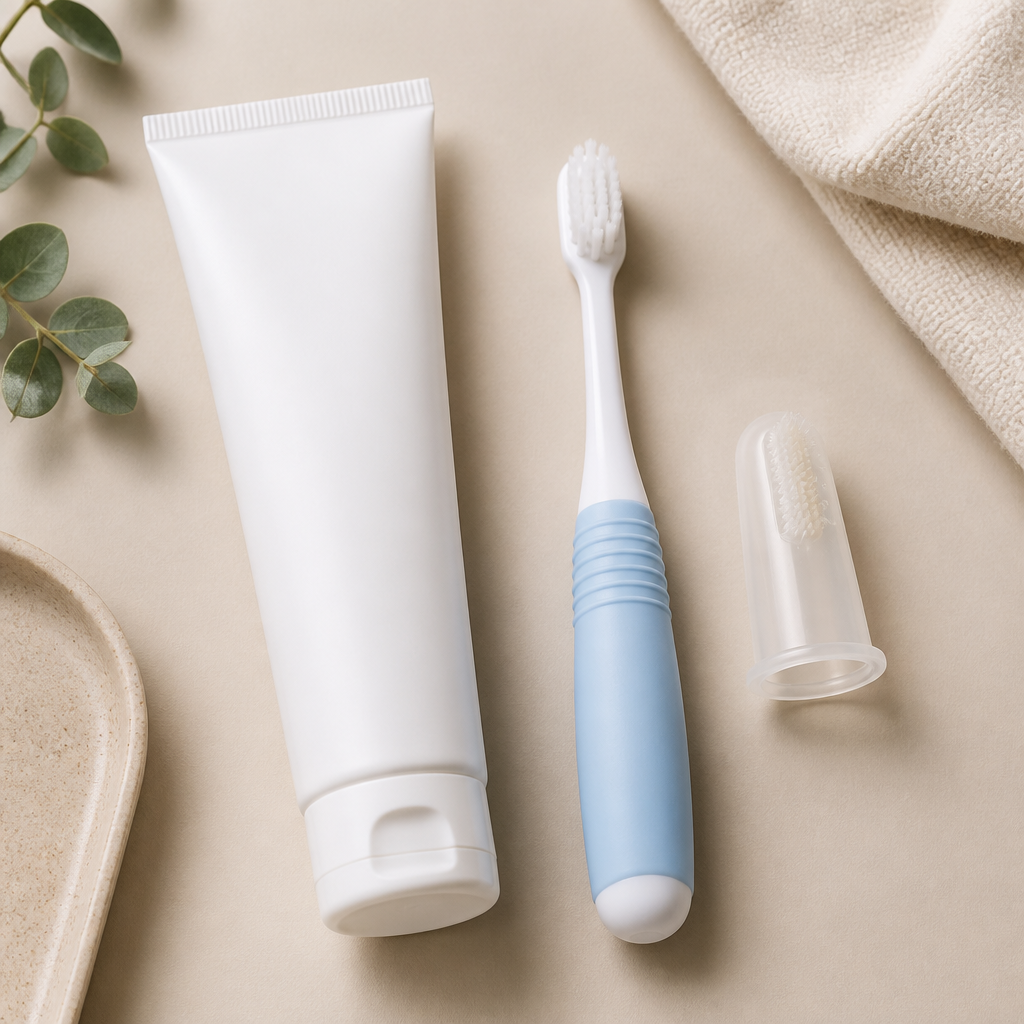
For people who find gripping a standard toothbrush handle painful or exhausting, silicone fingertip toothbrushes offer a practical alternative. Rather than requiring a full grip, these slip over the finger and allow cleaning using natural hand movements. This approach is well-established in assisted care settings, and it works equally well for self-care when grip is compromised by fibromyalgia pain.
Clinical case reports have described customised toothbrush handle adaptations specifically for fibromyalgia patients, noting that restoring comfortable grip can significantly improve oral hygiene independence. The principle holds for commercially available adaptive tools as well as custom solutions.
Pro tip: If hand pain varies day to day, keep a fingertip brush accessible alongside your regular brush. On high-pain days, the fingertip brush can maintain basic cleaning even when holding a handle is not feasible.
Unflavoured Toothpaste: Why It Matters
Standard toothpastes contain two ingredients that frequently cause problems for people with heightened sensory sensitivity: mint flavouring and sodium lauryl sulphate (SLS). Mint creates an intense oral sensation that many people with fibromyalgia find genuinely distressing rather than refreshing. SLS is a foaming agent that can irritate mucosal tissue and distort taste perception for hours after brushing.
For someone with fibromyalgia, avoiding toothbrushing because the toothpaste is intolerable is a real and understandable outcome. The consequence, however, is increased plaque accumulation, higher decay risk, and worsening gum health. Removing the sensory barrier is therefore a clinical priority, not just a comfort preference.
What Unflavoured Non-Foaming Toothpaste Provides
Unflavoured toothpaste for chronic illness works by stripping away the sensory components that provoke a reaction while retaining the protective fluoride that the teeth need. Oranurse toothpaste is formulated without flavouring and without SLS. It produces no foam and has a neutral taste, making it tolerable for people who cannot manage standard products.
Oranurse is available in 1450ppm fluoride (for adults and children over 3) and 1000ppm fluoride (for children aged 0 to 3). Neither oraNurse nor RIS Products operates a web shop, and they do not sell directly to the public. Oranurse can be ordered from any pharmacy, and it is also available through NHS supply chain for healthcare settings.
It is worth noting that unflavoured does not mean less effective. The protective action of toothpaste comes from fluoride, not from flavouring. A toothpaste that gets used consistently and without distress delivers better long-term oral health outcomes than a strongly flavoured alternative that provokes avoidance.
Managing Jaw Pain, TMJ, and Tooth Grinding
Jaw-related problems are disproportionately common in fibromyalgia. Research into the relationship between temporomandibular disorders (TMD) and fibromyalgia consistently finds high rates of co-occurrence. One review found that between 42% and 49% of fibromyalgia patients also experience TMJ disorder. This is not coincidental. The same central sensitisation mechanisms that amplify widespread pain also affect the trigeminal nerve pathways involved in facial and jaw pain.
Bruxism and Enamel Wear
Teeth grinding (bruxism), often occurring during sleep, is another associated problem. The connection between fibromyalgia and disrupted, non-refreshing sleep is well documented, and bruxism frequently increases during periods of disturbed sleep. Bruxism causes progressive enamel wear, tooth sensitivity, and can worsen jaw pain further. Dentists commonly advise wearing a custom-fitted mouthguard to protect against bruxism-related damage.
Toothbrushing immediately after a bruxism episode, or when jaw muscles are already fatigued, tends to worsen discomfort. A soft-bristle small-head brush, used with minimal pressure and short gentle strokes, is significantly more comfortable than a standard brush in these circumstances.
Positioning During Dental Appointments
People with fibromyalgia and TMJ involvement often find standard dental chair positioning painful. Keeping the jaw wide open for extended periods is difficult and can trigger significant post-appointment pain flares. Informing your dentist about your TMJ symptoms before treatment allows them to schedule shorter appointments, use a bite block to reduce muscle strain, and plan breaks where you can close your mouth and rest.
Fatigue and Oral Hygiene Routines
Fatigue in fibromyalgia is not ordinary tiredness. It is persistent, often unrelated to activity level, and can make even simple daily tasks feel disproportionately effortful. The consequence for oral hygiene with chronic pain is that toothbrushing drops in the priority list on difficult days, or is performed so briefly and gently that it provides little real cleaning benefit.
Timing Brushing Around Energy Windows
Many people with fibromyalgia experience predictable patterns of better and worse symptom periods within the day. Morning stiffness is a common feature, meaning that immediately upon waking is often the hardest time to brush. If brushing after a warm shower or after a period of gentle movement reduces stiffness enough to improve technique, that adjustment is clinically worthwhile.
The key principle is that fatigue dental care should be built around reality, not ideal schedules. A two-minute brush performed well during a manageable energy window is far more effective than a rushed, painful attempt at a socially conventional time.
Simplifying Without Sacrificing Effectiveness
Reducing the physical demands of the brushing routine is legitimate adaptation. A toothbrush with a light grip requirement, an unflavoured toothpaste that eliminates the need to push through sensory discomfort, and a consistent but flexible schedule all reduce the cumulative effort burden. Sitting down to brush, rather than standing over a sink, is a simple adaptation that conserves energy and reduces the risk of dizziness, which some people with fibromyalgia also experience.
Interdental cleaning matters too, but it does not have to happen simultaneously with brushing. On lower-energy days, completing brushing is the priority. Interdental cleaning can follow on better days or at a different time of day altogether.
Working With Your Dental Team
Many people with fibromyalgia avoid dental appointments or delay them because of anxiety about pain, fatigue from travelling and waiting, or previous experiences where dental staff did not understand or accommodate their condition. This avoidance creates a cycle that worsens oral health, which in turn creates more complex and painful dental needs.
The solution is proactive communication, not avoidance. Tell your dental team about your fibromyalgia before the appointment, not during it. Specify your sensitivities: jaw pain, tenderness to pressure, difficulty with strong flavours or bright lights, fatigue limits on how long you can maintain positioning. A well-informed dental team can make meaningful adjustments to support your comfort.
Topical and Local Anaesthesia
Clinical guidance for fibromyalgia patients in dental settings recommends consideration of both topical and local anaesthetic agents to manage discomfort during treatment. People with fibromyalgia often experience heightened pain responses, and this extends to dental procedures. Requesting adequate topical anaesthetic before injections, and discussing pain management options openly before treatment begins, is entirely appropriate.
Regular Hygienist Visits
Given the dry-mouth risk and the likelihood of inconsistent at-home brushing during flares, regular hygienist appointments are particularly valuable for fibromyalgia patients. Professional cleaning compensates for what pain and fatigue make harder to achieve at home. A hygienist who understands fibromyalgia can also provide adapted technique guidance specific to your limitations.
Pro tip: Ask your dental practice whether they can book you as the first appointment of the day, or on a day with a lighter schedule. This reduces waiting room time, which can be physically taxing, and allows the team more flexibility to take breaks during your treatment.
Frequently Asked Questions
Can fibromyalgia cause tooth pain even without any dental problems?
Yes. Central sensitisation, the hallmark neurological feature of fibromyalgia, can produce heightened or altered pain signals throughout the body, including in the teeth and jaw. Some people with fibromyalgia experience genuine tooth pain or facial pain without any identifiable dental cause. This is a recognised phenomenon in the literature on orofacial pain, and it should be assessed by both a dentist and a clinician familiar with fibromyalgia before any invasive dental treatment is carried out.
What toothpaste is best for someone with fibromyalgia and a sensitive mouth?
An unflavoured, non-foaming fluoride toothpaste is the most appropriate choice for most people with fibromyalgia-related oral sensitivity. It removes the two most common sensory triggers in standard toothpaste, mint flavouring and SLS foam, while still delivering the fluoride protection that teeth need. Oranurse unflavoured toothpaste, available in 1450ppm fluoride for adults and children over 3, and 1000ppm fluoride for children aged 0 to 3, is formulated specifically for this kind of sensitivity. It can be ordered from any pharmacy.
Is an electric toothbrush better than a manual one for fibromyalgia?
It depends on your specific pattern of symptoms. An electric toothbrush reduces the manual effort needed to achieve effective cleaning, which can help when hand pain or fatigue is the main issue. However, the vibration can be uncomfortable for people with heightened tactile sensitivity or jaw pain. If you try an electric brush, use the softest available head and the lowest pressure setting. A super soft manual brush with a comfortable grip is equally effective when used consistently and correctly.
Why do I feel exhausted after dental appointments even though they are relatively short?
This is a recognised experience in fibromyalgia. The combination of sustained positional stress (lying or leaning back), sensory input from sounds, lights, and tastes, the physical and cognitive effort of managing anxiety, and the pain of keeping your jaw open can all contribute to post-appointment fatigue. Planning recovery time after a dental visit, and keeping appointments as short as possible by attending regularly rather than letting problems accumulate, is a practical approach. Discuss appointment length and pacing openly with your dental team.
My fibromyalgia medications are giving me dry mouth. What should I do?
Do not stop or change your medication without medical advice. Instead, manage the oral consequences directly. Sip plain water frequently throughout the day. Avoid alcohol, caffeine, and sugary drinks, which worsen dry mouth or raise decay risk. Use a fluoride toothpaste consistently, and consider Bioxtra products designed specifically for xerostomia management. Discuss the dry mouth issue both with your prescribing doctor and with your dental team, as both perspectives are needed to manage it effectively.
How can I maintain oral hygiene on very bad pain days when I can barely get out of bed?
On genuinely severe pain days, the minimum effective standard is better than nothing. A fingertip silicone brush used gently while sitting or lying propped up, with a small amount of unflavoured fluoride toothpaste, can maintain a basic level of cleaning. Rinsing with a fluoride mouthwash (without alcohol, to avoid worsening dry mouth) is an additional option on days when brushing is not manageable at all. Set the bar at what is achievable rather than what is ideal, and return to a fuller routine as soon as symptoms allow.
References
- Fibromyalgia Syndrome: Dental Hygiene Considerations and Clinical Implications (Journal of Dental Hygiene)
- Oral Symptoms and Sensitivity to Toothpastes in Fibromyalgia Patients: Published Research Findings
- Oral Health, Fibromyalgia, and Migraines: Clinical Links and Dental Practice Implications
- Fibromyalgia: Practical Considerations for Oral Health Care Providers (Journal of Dental Anesthesia and Pain Medicine)
- Restoring Oral Hygiene Autonomy Through a Customised Toothbrush Handle in a Patient With Fibromyalgia (Clinical Case Reports)