

Children with congenital heart disease (CHD) face a dental risk that most parents and even some nurses underestimate: poor oral hygiene is not just a cosmetic concern, it is a genuine cardiac threat. Bacteria from the mouth can enter the bloodstream during routine toothbrushing and trigger infective endocarditis, a life-threatening infection of the heart’s inner lining. Everyday oral care for children with CHD must therefore be intentional, gentle, and consistent. This guide is written for nurses in paediatric and cardiac settings and for parents navigating the daily reality of oral care for a medically complex child.
Table of Contents
- Quick Takeaways
- Why Oral Health Matters So Much in CHD
- The Link Between Daily Brushing and Bacteraemia
- Common Oral Health Challenges in Children with CHD
- Choosing the Right Toothbrush and Toothpaste
- Step-by-Step Brushing Routine for Cardiac Children
- NHS Standards and What Healthcare Professionals Must Know
- Frequently Asked Questions
- References
Quick Takeaways
| Key Insight | Explanation |
|---|---|
| Daily brushing poses a real bacteraemia risk | The risk of infective endocarditis from daily oral hygiene routines such as toothbrushing is considered greater than the risk from most dental procedures. Consistent, gentle brushing keeps that risk as low as possible. |
| Children with CHD have higher rates of dental caries | Studies consistently find higher caries prevalence in children with CHD compared to healthy peers, linked to cardiac medications, reduced saliva flow, dietary factors, and missed dental appointments during hospital admissions. |
| NHS England included oral health in CHD standards from 2016 | The Paediatric Congenital Heart Disease Standards and Specifications, published in May 2016, were the first cardiology standards in England to include a dedicated oral health section, making dental screening a formal expectation. |
| Unflavoured, non-foaming toothpaste reduces brushing resistance | Children who are medically fragile or sensory-sensitive often resist brushing because of strong mint flavours or excessive foam. Removing those triggers makes regular brushing far easier to sustain. |
| Fluoride strength should match the child’s age | For children aged 0 to 3, a 1000ppm fluoride toothpaste is recommended. For children older than 3 and adults, 1450ppm fluoride provides the stronger protection their teeth need. oraNurse provides both strengths in unflavoured formulations. |
| Parents and patients often lack oral health knowledge | A dental screening programme at a major London cardiac centre found that a significant proportion of patients and parents had insufficient knowledge of oral health risks, reinforcing the need for nurse-led education at every cardiac clinic visit. |
| Antibiotic prophylaxis is not a substitute for good oral hygiene | NICE guidance and the broader clinical community agree that maintaining excellent day-to-day oral health is the primary strategy for reducing endocarditis risk. No prophylaxis protocol removes that responsibility. |
Why Oral Health Matters So Much in CHD
Infective endocarditis (IE) is a bacterial infection of the heart’s inner lining or valves. In children with structural congenital heart disease, including surgically corrected or palliated conditions, the heart’s altered anatomy creates surfaces where circulating bacteria can adhere and multiply. The consequences can be catastrophic, including valve destruction, stroke, and death.
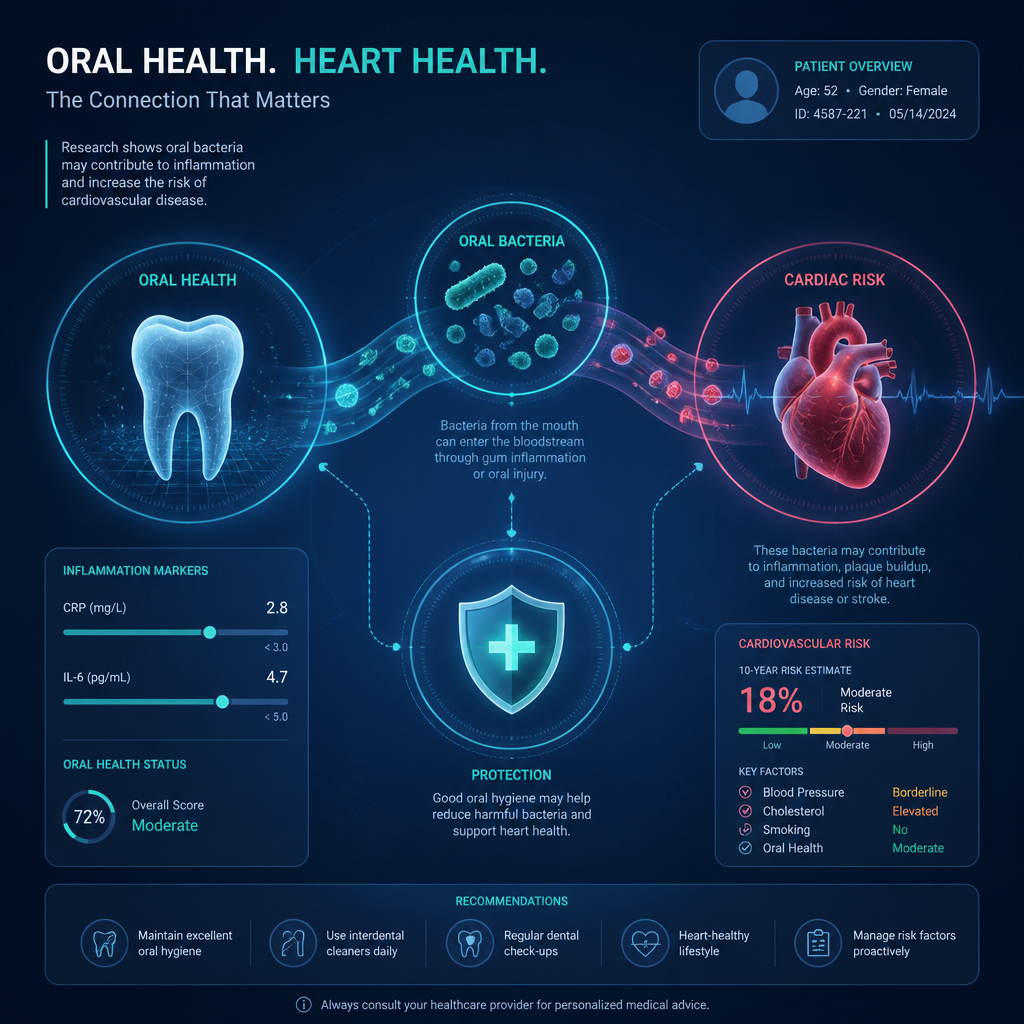
The connection to oral health is direct. The mouth is home to hundreds of bacterial species. When the gum tissue is disrupted, whether by vigorous brushing, flossing, or dental treatment, bacteria enter the bloodstream in a process called bacteraemia. In a healthy child with a structurally normal heart, this is a routine event that the immune system handles with ease. In a child with CHD, it is a meaningful cardiac event.
The maintenance of optimal oral health in children with CHD may be considered of paramount importance because the risk for endocarditis following bacteraemia is thought to be more significant during daily oral hygiene routines than during dental treatment itself.
This is not a reason to stop brushing. It is precisely the reason to brush well, gently, and consistently every single day. A mouth with inflamed, bleeding gums releases far more bacteria into the bloodstream on every toothbrushing occasion than a mouth with healthy, well-cared-for gums. The goal of excellent oral hygiene in CHD is to reduce cumulative bacteraemia exposure over a lifetime, not to avoid brushing out of fear.
The Link Between Daily Brushing and Bacteraemia
Understanding bacteraemia in context matters enormously when counselling parents. Many parents become anxious about dental visits when the real, cumulative bacteraemia load their child experiences comes from twice-daily toothbrushing with inflamed gums. A single dental procedure in a clinic with a cooperative child who has healthy gums generates comparatively little bacteraemia. The mouth that never gets brushed because a parent is frightened of causing harm is the genuinely dangerous mouth.
What Gum Health Has to Do With It
Healthy gum tissue acts as a barrier. When gums are inflamed from plaque build-up (gingivitis), that barrier is compromised. Every brush stroke across bleeding gingivae pushes bacteria into the capillaries. Research into this area has consistently highlighted that poor oral hygiene is itself a risk factor for IE-related bacteraemia, independent of dental procedures.
The practical implication is clear: the parent who brushes their child’s teeth thoroughly twice a day with an appropriate technique and the right products is actively reducing cardiac risk, not adding to it. The nurse’s role is to communicate this distinction confidently and to help families build a brushing routine they can actually maintain.
Pro tip: When counselling parents at cardiac outpatient clinics, frame toothbrushing as cardiac care, not just dental care. A child who accepts twice-daily brushing is doing something medically meaningful every single morning and evening.
When Gums Bleed During Brushing
Bleeding gums are a sign of gingivitis, not a reason to stop brushing. Stopping brushing allows plaque to accumulate further, making gum disease worse and bacteraemia risk higher. The correct response is to brush more gently, use an appropriately soft brush with a small head for precise placement, and continue brushing through the initial days of bleeding while the gums recover. Most parents do not know this and need to be told clearly.
Common Oral Health Challenges in Children with CHD
Children with CHD start with a higher baseline dental risk than healthy peers. Studies across multiple countries have found elevated rates of dental caries and gingival disease in this population. Several factors converge to create this picture.
Cardiac Medications and Sugar Content
Many children with CHD take long-term medications in liquid form. Some of these formulations contain sucrose as a carrier or flavouring agent, which creates a regular source of fermentable carbohydrate in contact with the teeth. Parents are often entirely unaware that the medication their child takes four times a day is contributing to tooth decay. Where possible, sugar-free formulations should be requested from the prescribing team. Where this is not possible, rinsing with water after each dose reduces contact time.
Reduced Saliva and Dry Mouth
Certain cardiac medications, including diuretics and some antihypertensives, can reduce saliva production. Saliva is the mouth’s primary defence against caries, buffering acids and washing away bacteria. A child with a persistently dry mouth is at significantly elevated decay risk. For children experiencing dry mouth, a product such as BioXtra is worth discussing with their doctor or consultant alongside their brushing routine to help maintain mucosal moisture.
Missed Dental Appointments and Parental Anxiety
Families managing a child’s cardiac condition carry an enormous burden. Routine dental appointments are frequently deprioritised, missed during hospital admissions, or avoided because parents are anxious about triggering a cardiac event. The result is that dental disease goes undetected for longer in this group than in the general paediatric population.
Pro tip: Nurses working in paediatric cardiac outpatient settings should ask about the child’s last dental visit at every appointment. Normalising this question as part of cardiac monitoring removes the barrier of parents feeling they have to raise it themselves.
Choosing the Right Toothbrush and Toothpaste
For children with CHD, the choice of products is not a minor consideration. The right brush and toothpaste can be the difference between a brushing routine that actually happens every day and one that is avoided because the child finds it intolerable.
Toothbrush: Small Head, Super Soft Bristles
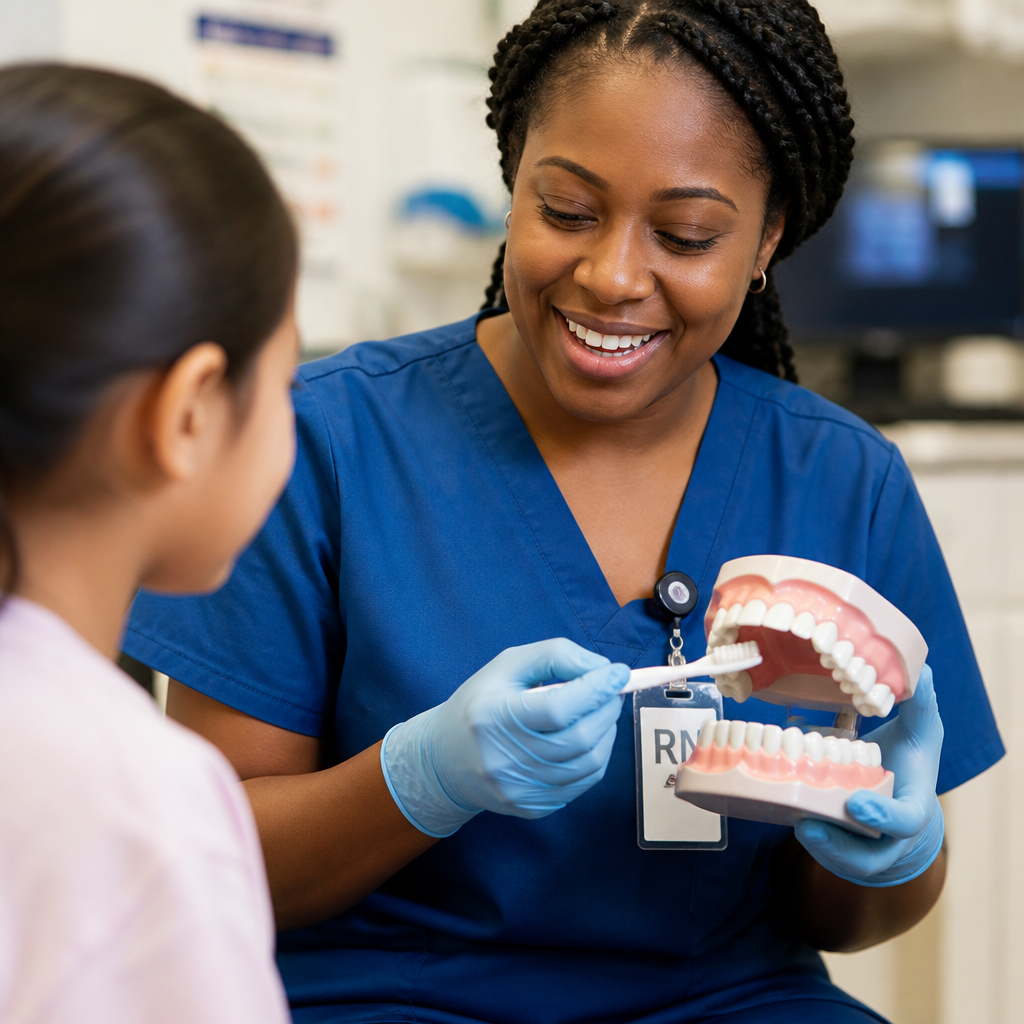
A small-headed toothbrush with super-soft bristles is the correct choice for any child who is medically complex, has tender gums, or has recently had cardiac surgery. A small head allows the parent or carer to place bristles accurately at the gum line, which is where plaque accumulates and where the greatest bacteraemia risk originates. Super-soft bristles clean effectively without traumatising already sensitive gum tissue.
oraNurse super soft toothbrushes with small heads are designed precisely for this type of use: gentle enough for patients with tender or inflamed gums, accurate enough to clean the gum margin thoroughly. They are suitable for use in healthcare settings including hospital and community dental clinics, and parents can order them from their local pharmacy.
Toothpaste: Unflavoured, Non-Foaming, Correct Fluoride Strength
Flavour is one of the most common reasons children with medical complexity resist brushing. Many children with CHD have had prolonged hospital admissions, nasogastric tubes, and oral medication regimes that have created significant oral sensitivity or aversion. Strong mint flavour can trigger gagging, distress, or outright refusal.
oraNurse unflavoured, non-foaming toothpaste removes this barrier entirely. It contains no flavouring agents, no sodium lauryl sulphate (the foaming agent responsible for mouth ulcer aggravation and texture sensitivity), and no strong taste. The child experiences nothing except the physical sensation of the brush, which is far more manageable for a sensory-sensitive child.
Fluoride strength should be matched to the child’s age. oraNurse 1000ppm fluoride is recommended for children aged 0 to 3 years. oraNurse 1450ppm fluoride is recommended for children older than 3 years and for adults, in line with standard UK dental recommendations. Both strengths are available in the unflavoured, non-foaming formulation. oraNurse is available to order from any pharmacy and is also available through the NHS supply chain for healthcare settings.
Silicone Fingertip Toothbrushes for the Very Young or Medically Fragile
For infants with CHD and for very young children who are not yet tolerating a conventional toothbrush, a silicone fingertip toothbrush provides a gentle alternative. The parent slides it over their finger and uses gentle circular movements on the gums and emerging teeth. The familiar sensation of a parent’s touch reduces distress and makes oral care accessible from the very first tooth.
Step-by-Step Brushing Routine for Cardiac Children
A brushing routine that is consistent, gentle, and well-supported by the right products is the single most protective daily action a family can take for their child’s cardiac health. Here is a practical framework for nurses to share with parents.
Before the First Tooth: From Birth
Even before teeth appear, wiping the gums with a clean damp cloth or a silicone fingertip brush introduces the child to oral care as a normal part of their day. This matters particularly for children who will later need to tolerate more thorough dental hygiene. Establishing the habit early, before there is any reason for the mouth to be uncomfortable, lays the foundation for a child who accepts brushing.
First Tooth Onwards: Twice Daily with Fluoride Toothpaste
As soon as the first tooth erupts, begin brushing twice daily. Use a smear of oraNurse 1000ppm unflavoured toothpaste for children aged 0 to 3. Apply the paste to a small-headed super-soft brush and use gentle, small circular movements at the gum line, working around all surfaces of each tooth. Do not rinse after brushing, as spitting out excess paste and not rinsing leaves fluoride in contact with the teeth longer, improving its protective effect.
Age 3 and Over: Step Up to 1450ppm
When the child is older than 3, switch to oraNurse 1450ppm fluoride toothpaste. The technique remains the same: small circular movements, gentle pressure, twice daily, no rinsing. A pea-sized amount is appropriate for children over 3. Continue with a small-headed super-soft toothbrush for as long as the child has tender or sensitive gums or gum disease is a concern.
Position and Comfort
For young children, lying their head in the parent’s lap makes it far easier to see inside the mouth and to brush accurately. For a child who is distressed by brushing, using a flavour-free, foam-free toothpaste removes one significant source of that distress. If brushing causes consistent bleeding that does not improve within two weeks of gentle, twice-daily brushing, the family should be referred to a dental professional.
NHS Standards and What Healthcare Professionals Must Know
The formal recognition of oral health as part of cardiac care for children in England came in May 2016 with the publication of the Paediatric Congenital Heart Disease Standards and Specifications (PCHDSS) by NHS England. These were the first cardiology standards to include a specific oral health section, outlining what patients should receive from both cardiology and dental healthcare professionals.
The standards make clear that children with CHD at risk of developing infective endocarditis should receive dental screening as part of their cardiac care. A screening programme at a major London cardiac centre, which saw over 288 patients across an 18-month period, found that a meaningful proportion of parents and patients had insufficient knowledge about oral health risks and needed targeted education and preventive advice.
What Cardiac Nurses Should Be Doing at Every Clinic Visit
The cardiac nurse is often the professional who sees the family most frequently and who holds the broadest view of the child’s wellbeing outside of acute episodes. This positions nurses as the most effective point of oral health intervention. At every outpatient visit, a cardiac nurse should ask: when did this child last see a dentist, are they brushing twice a day, and are there any barriers to that routine.
Where gaps are identified, the nurse should be able to provide practical product advice, not just a generalised recommendation to brush. Knowing that unflavoured, non-foaming toothpaste exists, that it is available from any pharmacy, that it comes in the right fluoride strength for the child’s age, and that it is compatible with NHS supply chain procurement for hospital-based oral care, means the advice is actionable, not aspirational.
Referring to Special Care Dentistry
Children with CHD who have significant dental disease, who are uncooperative with dental examination due to medical or developmental complexity, or who require dental treatment under general anaesthetic should be referred to a special care or paediatric dental service. These teams have the expertise to manage dental care for medically complex children safely, including coordination with the cardiology team regarding antibiotic prophylaxis protocols where these remain clinically indicated under NICE guidance.
Nurses should not assume that a GP or community dentist will necessarily be equipped to manage a CHD patient’s dental needs. A proactive referral to a specialist paediatric or special care dental team is always the safer path when there is any doubt.
Frequently Asked Questions
Is it safe to brush a child’s teeth if they have congenital heart disease?
Yes, and it is essential. Brushing removes plaque and keeps gums healthy, which reduces the number of bacteria entering the bloodstream during each brushing episode. A child with unhealthy, inflamed gums releases more bacteria into the bloodstream during brushing than a child with healthy gums. The goal is not to avoid brushing but to brush gently and consistently with the right products so that gum health is maintained.
What toothpaste should I use for a child with CHD who hates the taste of mint?
An unflavoured, non-foaming toothpaste is the most practical solution. oraNurse is available in 1000ppm fluoride for children aged 0 to 3 and in 1450ppm fluoride for children older than 3. It contains no mint, no menthol, no flavouring agents, and no foaming agents. This removes the most common sensory triggers for brushing refusal in children with medical complexity. It can be ordered from any pharmacy in the UK.
My child is on heart medication in liquid form. Could this affect their teeth?
Potentially, yes. Some liquid cardiac medications contain sucrose, which is a fermentable carbohydrate that contributes to tooth decay if it is in prolonged contact with the teeth. Ask the prescribing team whether a sugar-free formulation is available. If not, give the medication at mealtimes where possible and rinse the mouth with plain water afterwards. Do not use this as a reason to delay or skip toothbrushing, as brushing is still the most important daily protective action.
Do children with CHD need antibiotic cover before every dental visit?
Not automatically. NICE guidance in the UK covers specific higher-risk cardiac conditions and specific interventional dental procedures. The decision about antibiotic prophylaxis should be made in discussion with the child’s cardiologist and the dental team, based on the child’s specific cardiac anatomy and the dental procedure planned. Good day-to-day oral hygiene remains the most important preventive strategy regardless of what the antibiotic prophylaxis decision is.
How do I get my child to accept toothbrushing when they have had so many unpleasant experiences in their mouth from hospital care?
Start with very low-pressure desensitisation before introducing a brush. Use a silicone fingertip toothbrush or simply a clean damp cloth, and focus first on making the child comfortable with something touching their lips and gums. Use an unflavoured toothpaste to remove flavour as a source of distress. Keep sessions very short initially and use consistent, calm language. Progress gradually. A paediatric occupational therapist or a dental therapist with experience in special care dentistry can provide structured support if the aversion is severe.
What should a nurse tell parents when they ask about oral care at a cardiac outpatient appointment?
Tell them that oral care is cardiac care for their child. Explain the bacteraemia link in plain language, confirm the child is seeing a dentist regularly (or refer to a paediatric dental service if they are not), check that the family knows the right fluoride strength for the child’s age, and, where taste or texture is a barrier to brushing, recommend an unflavoured non-foaming toothpaste. Make the advice specific and product-level, not general, so the parent can act on it immediately.
References
- NHS England Paediatric Congenital Heart Disease Standards and their oral health section, published in the British Dental Journal
- Dental screening for children with congenital heart disease at a specialist cardiac centre, Faculty of Dental Surgery journal
- Oral health status and infective endocarditis risk in children with congenital heart disease, PubMed Central review
- Educational intervention study on oral health awareness in families of children with major congenital heart disease, ClinicalTrials.gov
- NICE guideline on prophylaxis against infective endocarditis and its implications for dental practice, British Dental Journal