

Most people think of toothbrushing as something they do to avoid cavities or keep their breath fresh. But the relationship between oral health and systemic health runs far deeper than that. Chronic gum disease does not stay in the mouth. The bacteria and inflammatory signals it generates enter the bloodstream and have been linked to cardiovascular disease, uncontrolled diabetes, pregnancy complications, and even cognitive decline. For healthcare professionals, NHS facilities, and individuals managing complex health conditions, this connection changes what oral care means. It is no longer a cosmetic routine. It is a clinical priority.
Table of Contents
- What Is the Oral-Systemic Health Link?
- Quick Takeaways
- Gum Disease and Heart Disease: What the Evidence Shows
- Periodontal Disease and Diabetes: A Two-Way Problem
- Beyond Heart and Diabetes: Other Systemic Connections
- Oral Care in NHS and Special Care Settings
- Comparing Oral Care Approaches for High-Risk Patients
- Frequently Asked Questions
- References
What Is the Oral-Systemic Health Link?
The oral-systemic health link refers to the measurable, evidence-backed relationship between the condition of a person’s mouth and the state of their wider health. It is not a fringe theory. A growing body of peer-reviewed research consistently supports strong associations between oral conditions, specifically periodontal disease, and multiple systemic diseases including cardiovascular disease, diabetes, respiratory illness, and neurodegenerative conditions.
The mechanism works on two main pathways. First, the mouth is a gateway. Bacteria from an inflamed, infected gum line can enter the bloodstream directly through broken tissue. Once circulating, these microbial products trigger inflammatory responses elsewhere in the body. Second, chronic oral inflammation generates systemic inflammatory markers, including cytokines like IL-6, TNF-alpha, and C-reactive protein, that have established roles in driving conditions like atherosclerosis and insulin resistance.
Periodontal disease is the central actor here. It is a chronic bacterial infection of the structures supporting the teeth, and it affects a substantial portion of adults. What makes it clinically significant beyond dentistry is that its inflammatory burden does not stay localised. Left untreated, it contributes to, and is worsened by, a wide range of conditions that GPs, nurses, and hospital teams are already managing.
The mouth is not separate from the body. Chronic inflammation that begins in the gum tissue sends signals throughout the entire system, and those signals have consequences that no dentist or physician can afford to ignore.
Quick Takeaways
| Key Insight | Explanation |
|---|---|
| Periodontal disease is independently associated with cardiovascular disease | Research consistently links chronic gum inflammation to coronary artery disease, myocardial infarction, and ischaemic stroke, through bacterial dissemination and systemic inflammatory markers. |
| The diabetes-gum disease relationship is bidirectional | Diabetes worsens gum disease, and untreated gum disease worsens glycaemic control. Treating periodontitis has been shown to reduce HbA1c levels in diabetic patients. |
| Oral bacteria have been found in the brains of Alzheimer’s patients | Research has identified periodontal bacteria in the brain tissue of individuals with Alzheimer’s disease, suggesting a possible pathway from chronic oral infection to neurodegeneration. |
| Pregnancy complications are linked to untreated gum disease | Periodontitis has been associated with preterm birth, low birth weight, and pre-eclampsia, making oral assessment during pregnancy a clinical, not just cosmetic, recommendation. |
| NHS England has formally acknowledged the oral-diabetes link | NHS England commissioning standards explicitly recognise the bidirectional link between periodontitis and diabetes, calling for joined-up management between dental and medical teams. |
| Flavour sensitivity is a real barrier to oral care compliance | Patients with sensory sensitivities, autism, post-chemotherapy changes, or medication-induced dry mouth often cannot tolerate standard flavoured toothpastes, creating compliance gaps with direct systemic consequences. |
| Periodontal treatment reduces systemic inflammation markers | Periodontal therapy has been shown to lower systemic inflammatory markers and improve endothelial function, providing measurable cardiovascular benefit beyond the gum line. |
Understanding the systemic implications of poor oral health reframes how both patients and healthcare professionals should think about daily oral hygiene. It is not enough to brush occasionally and hope for the best. For patients with existing systemic conditions, consistent, tolerable oral care is a genuine part of disease management.
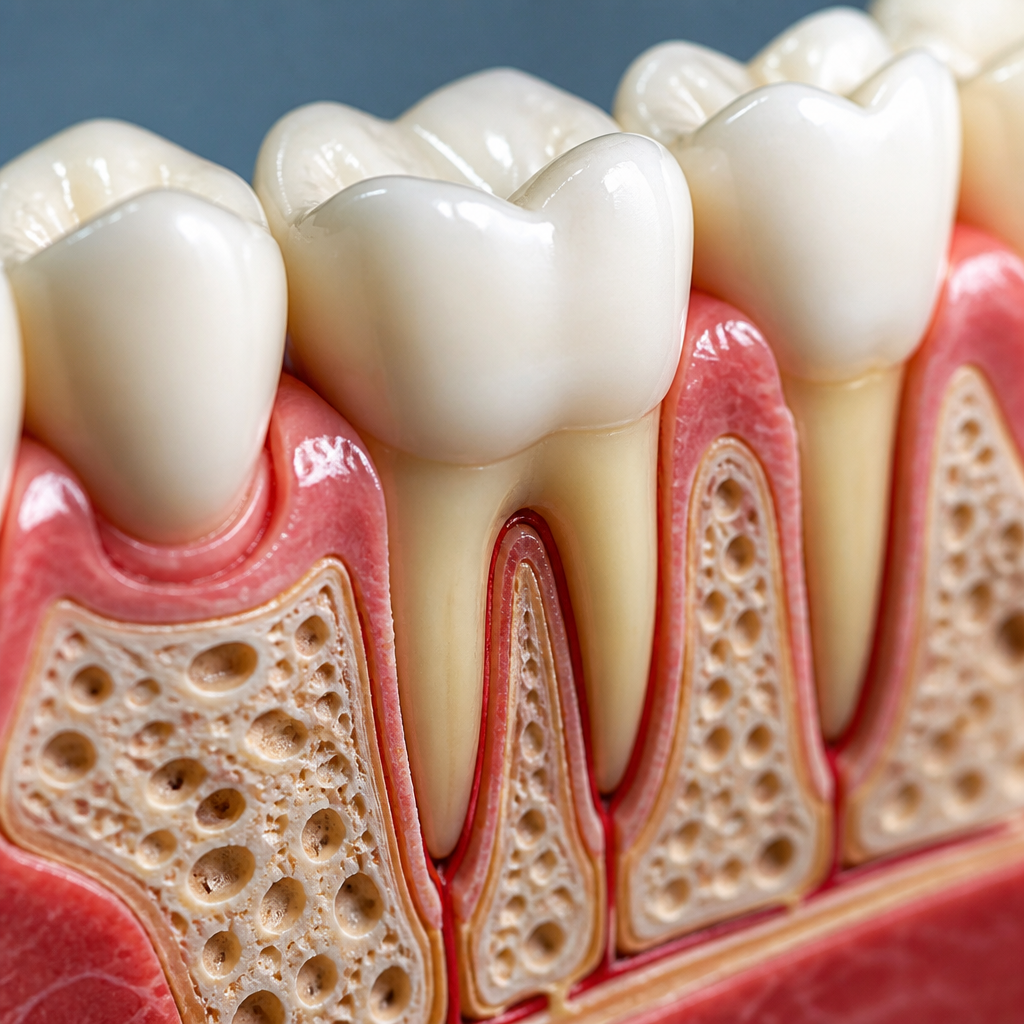
Gum Disease and Heart Disease: What the Evidence Shows
The association between gum disease and heart disease is one of the most studied areas in oral-systemic medicine. A 2025 narrative review published in PubMed, covering studies from 2000 to 2025, found consistent evidence supporting an association between chronic periodontal inflammation and cardiovascular risk. The proposed mechanisms include systemic dissemination of proinflammatory cytokines, specifically IL-6, TNF-alpha, and CRP, alongside microbial products that promote endothelial activation and the development of atherosclerosis.
A joint consensus report by the European Federation of Periodontology and WONCA Europe, published in the Scandinavian Journal of Primary Health Care in 2024, concluded that periodontitis is independently associated with cardiovascular diseases, including coronary artery disease, myocardial infarction, and ischaemic stroke. The report also found that periodontal treatment for optimal outcomes improves surrogate measures of cardiovascular risk. In short, getting gum disease under control is not only a dental intervention. It may be a cardiovascular one too.
How Oral Bacteria Reach the Heart
The pathway is more direct than most patients realise. Inflamed, bleeding gum tissue creates an open entry point. Bacteria from the subgingival environment, including highly pathogenic species associated with periodontitis, can enter the bloodstream during routine activities like chewing, toothbrushing, and flossing, particularly when gum tissue is already compromised. Once in circulation, these bacteria and their byproducts can adhere to arterial walls and contribute to plaque formation, setting the stage for coronary events.
This is why the quality of daily oral hygiene matters, not just dental appointments. A patient who cannot tolerate standard toothpaste and therefore brushes inadequately, or skips brushing altogether, is not just accumulating dental plaque. They are sustaining a chronic inflammatory source that their cardiovascular system is also managing.
Pro tip: For patients with cardiovascular risk factors who struggle with standard toothpastes due to strong flavour or foaming agents, an unflavoured, non-foaming formula like the oraNurse range removes the sensory barriers that cause skipped brushing. Consistent daily use is what reduces oral bacterial load, not the occasional thorough brush.
Periodontal Disease and Diabetes: A Two-Way Problem
The relationship between periodontal disease and diabetes is the most well-established oral-systemic connection in clinical literature, and uniquely, it runs in both directions. Diabetes increases the prevalence, extent, and severity of periodontal disease. Periodontitis, in turn, negatively affects glycaemic control and the course of diabetes. NHS England’s commissioning standard for dental care in people with diabetes states this directly: there is a bidirectional link between diabetes and periodontitis, and joined-up management between dental and medical teams is required.
A systematic review published in the Royal College of Surgeons Faculty of Dental Journal found that patients affected by periodontitis have a higher risk of developing type 2 diabetes than those without it. Research also shows that individuals with diabetes mellitus are two to three times more likely to develop periodontitis compared to non-diabetic individuals. Poor glycaemic control is linked not only to a greater likelihood of developing periodontitis, but to more severe and treatment-resistant forms of the disease.
What Periodontal Treatment Does to Blood Glucose
The clinical implication of this bidirectional relationship is significant. Research published on the oral-systemic link from the Karolinska Institute in Sweden found that successful treatment of periodontitis lowers blood glucose levels, specifically HbA1c, in diabetic patients. This means a dentist or hygienist treating gum disease in a diabetic patient is not just preserving teeth. They are contributing to metabolic management.
For NHS facilities and healthcare professionals managing diabetic patients, oral assessment is not optional. It is part of a complete clinical picture. Patients with diabetes who also have sensory sensitivities, dry mouth due to medication, or cognitive or physical limitations need oral care solutions matched to their actual circumstances, not standard off-the-shelf products they cannot realistically use.
Pro tip: Diabetic patients on multiple medications often experience xerostomia (dry mouth) as a side effect, which directly raises caries risk. For these individuals, a saliva replacement gel like Bioxtra along with an SLS-free, unflavoured toothpaste with adequate fluoride, such as the oraNurse 1450ppm formulation, removes both the sensory barrier and the irritant foaming agent, making consistent brushing more achievable and gives the teeth the protection they need.

Beyond Heart and Diabetes: Other Systemic Connections
Cardiovascular disease and diabetes receive the most research attention, but the oral-systemic evidence base extends considerably further. Each additional connection reinforces the same core point: what happens in the mouth does not stay in the mouth.
Alzheimer’s Disease and Cognitive Decline
Research has found the bacteria responsible for periodontal disease in the brains of Alzheimer’s patients. A systematic review on the effect of periodontal disease on Alzheimer’s disease, published in PubMed, noted that various oral organisms have been proposed as potential contributors to neurodegeneration. Some reviews suggest that periodontitis may increase the risk of Alzheimer’s disease significantly, and animal studies have linked periodontal pathogens to memory impairment. This is an active area of research rather than settled science, but the plausibility of the mechanism, bacterial and inflammatory dissemination from a chronically infected oral cavity, is consistent with what we know from cardiovascular and metabolic research.
For care home staff, community nurses, and special care dental teams working with older adults, this is a practical as well as theoretical concern. Residents with dementia who are difficult to assist with oral care are at higher risk of periodontal disease, and potentially at higher risk of accelerated cognitive decline as a result. Tools that make oral care achievable for people who cannot cooperate with standard brushing are not just comfort aids. They are clinical necessities.
Pregnancy and Adverse Birth Outcomes
Periodontal disease during pregnancy has been associated with preterm birth, low birth weight, pre-eclampsia, and miscarriage. A joint consensus report from the American Academy of Periodontology and the European Federation of Periodontology identified periodontal infections as a possible contributor to adverse pregnancy outcomes. The biological mechanism proposed is similar to the cardiovascular one: inflammatory mediators from the gum tissue entering the systemic circulation and affecting placental function or triggering early labour.
Pregnant patients, particularly those experiencing nausea or taste changes, often find standard flavoured toothpastes intolerable. The result is reduced brushing frequency at exactly the time when hormonal changes make gum tissue more vulnerable to inflammation. This is a common clinical problem with a straightforward solution: an unflavoured, non-foaming alternative that pregnant patients can actually use without triggering nausea.
Respiratory Disease
The EFP and WONCA Europe consensus report also found that periodontitis is independently associated with chronic obstructive pulmonary disease (COPD) and obstructive sleep apnoea, and linked to worse COVID-19 outcomes. Oral bacteria aspirated into the lungs can cause pneumonia and worsen existing respiratory conditions. For patients in hospital or long-term care settings, mouth care is directly relevant to respiratory risk, making it a nursing concern as much as a dental one.
Oral Care in NHS and Special Care Settings
The NHS recognises that oral health is integral to overall health, but the gap between policy acknowledgement and consistent clinical practice remains wide. NHS England has published commissioning standards that address the diabetes-periodontitis link. Yet in wards, care homes, and community settings, oral care is frequently deprioritised, under-resourced, or delivered with products that are unsuitable for the patients receiving them.
For patients with physical disabilities, cognitive impairments, autism, sensory processing difficulties, or post-surgical tenderness, standard oral care products create real barriers. A strong-flavoured, foaming toothpaste used with a large-headed stiff brush is not a neutral default. For many patients, it is actively aversive. The result is refusal, rushed brushing, or no brushing at all, and the systemic consequences follow directly from that failure.
What Appropriate Product Selection Looks Like in Practice
Fluoride strength should match clinical risk. Standard 1450ppm fluoride is appropriate for most adults, including those with sensory sensitivities, because the protection it provides is non-negotiable given the systemic stakes of poor oral health. Higher-strength prescription fluoride is appropriate for specific clinical presentations such as radiation-induced xerostomia or severe root caries in older adults, and should be managed with clinical oversight.
The toothbrush matters too. A super-soft brush with a small head reaches posterior teeth in patients with limited mouth opening, reduces trauma to tender or surgically compromised gum tissue, and is tolerable for patients with heightened gag reflexes or sensory sensitivities. For patients who cannot tolerate any brush at all, a silicone fingertip toothbrush offers a gentler, more controlled alternative that allows a carer or the patient themselves to clean tooth surfaces without the intrusion of a conventional brush handle.
oraNurse products are used across NHS supply chain settings precisely because they address these practical barriers without compromising fluoride delivery. The unflavoured non-foaming formula removes the two most common sensory deterrents, strong mint flavour and SLS-generated foam, while maintaining therapeutic fluoride levels. For commissioners and clinical leads, this means specifying products that patients will actually use consistently, which is the only way oral care contributes to systemic health outcomes.
Comparing Oral Care Approaches for High-Risk Patients
When choosing oral care products for patients with systemic health conditions or sensory sensitivities, the differences between available approaches are clinically significant. A product that cannot be tolerated is not a treatment. Below is a direct comparison of the main approaches used in specialist and NHS settings.
| Approach | Best Suited For | Key Limitations |
|---|---|---|
| Standard flavoured fluoride toothpaste (e.g. mainstream mint-flavoured brands) | Healthy adults with no sensory sensitivities, standard compliance | Strong mint flavour triggers TRPM8 cold receptors; SLS foam increases aspiration risk; unsuitable for patients with autism, sensory processing disorders, nausea, or dysphagia. High non-compliance in special care populations. |
| Unflavoured non-foaming fluoride toothpaste (e.g. oraNurse 1450ppm or 1000ppm) | Sensory-sensitive individuals, autistic adults and children, patients with tender gums, dry mouth, dysphagia, post-chemotherapy sensitivity, NHS special care settings | Less widely available in standard retail; patients accustomed to a strong mint sensation may initially find the absence of flavour unusual, though most adapt quickly. Not a limitation for the target populations. |
| Dry brushing or water-only brushing | Transitional use when all toothpaste is refused; very short-term only | No fluoride delivery whatsoever. Provides mechanical plaque removal only, with no chemical protection against caries or periodontal bacteria. Not a sustainable solution for patients with systemic health risks. |
The practical takeaway from this comparison is straightforward. For any patient where systemic health risk is a factor, consistent fluoride delivery is non-negotiable. The only variable is removing the sensory barriers that prevent that delivery from happening.
Frequently Asked Questions
Can treating gum disease actually improve heart health?
The evidence is increasingly positive but not yet conclusive in terms of direct causal proof. What research does show is that periodontal therapy lowers systemic inflammatory markers, including CRP and IL-6, and improves endothelial function, both of which are relevant to cardiovascular health. The European Federation of Periodontology and WONCA Europe consensus report confirms that periodontal treatment improves surrogate measures of cardiovascular risk. Whether this translates to reduced cardiac events at population scale is still being studied, but the biological mechanism is credible and the clinical rationale for treatment is solid.
How does diabetes make gum disease worse?
Diabetes impairs immune function, reducing the body’s ability to fight the bacterial infection at the root of periodontal disease. It also causes microvascular changes that reduce blood supply to gum tissue, impairing healing and making the periodontium more vulnerable to progressive damage. Patients with poor glycaemic control consistently show more severe and more treatment-resistant forms of periodontitis than those with well-managed blood glucose.
Is poor oral health linked to dementia?
Research has identified periodontal bacteria in the brain tissue of people with Alzheimer’s disease. Some reviews suggest that chronic periodontitis may increase Alzheimer’s risk, and animal studies have demonstrated memory impairment following experimental periodontal infection. This remains an active area of research, and a definitive causal verdict is not yet established. However, the plausibility of the inflammatory and microbial pathway is strong enough that oral health for older adults, particularly those already showing cognitive decline, should be treated as a genuine clinical priority.
Should pregnant women be given specific oral care advice?
Yes, and it should be practical, not just advisory. Periodontitis has been associated with preterm birth, low birth weight, and pre-eclampsia. Pregnant patients frequently experience nausea and taste changes that make standard flavoured toothpastes difficult to tolerate. Recommending an unflavoured, non-foaming fluoride toothpaste during pregnancy is not an indulgence. It is a clinically sensible way to ensure the patient actually brushes consistently at a time when their gum tissue is particularly vulnerable to inflammation.
Why does NHS England have specific commissioning guidance on dental care for diabetic patients?
Because the bidirectional relationship between periodontitis and diabetes is strong enough to warrant joined-up clinical management. NHS England’s commissioning standard explicitly recognises that this link is not well known at patient level, and calls for communication and awareness to be raised. The standard recommends that periodontal assessment with a dentist should form part of a diabetic patient’s annual screening, reflecting the fact that unmanaged gum disease directly compromises glycaemic control.
What makes oral care so difficult for people with sensory sensitivities?
Standard toothpastes contain two main sensory irritants: strong mint flavour compounds that activate cold-sensitive receptors in the mouth, and sodium lauryl sulphate (SLS), a surfactant that creates foam. For patients with autism, sensory processing disorders, heightened gag reflexes, or post-chemotherapy taste and texture sensitivity, these stimuli can make toothbrushing genuinely intolerable rather than merely unpleasant. The clinical consequence is avoidance, which creates exactly the kind of sustained oral inflammation with systemic consequences this article describes.
Are oraNurse products suitable for use in care homes and hospital wards?
Yes. oraNurse unflavoured non-foaming toothpastes are used within NHS supply chain settings. The non-foaming formula is particularly relevant in hospital and care home environments because it reduces aspiration risk in patients with dysphagia, and the unflavoured format makes assisted tooth cleaning more achievable for residents who would otherwise resist. The product range, which includes silicone fingertip toothbrushes and super-soft small-headed brushes, is designed with exactly these care environments in mind.
References
- PubMed: The systemic link between oral health and cardiovascular disease, contemporary evidence and mechanisms (2025 review)
- NHS England: Commissioning standard for dental care in people with diabetes, including the bidirectional periodontitis-diabetes link
- National Institute of Dental and Craniofacial Research: Healthy mouth, healthy body, explaining the oral-systemic connection (2024)
- European Federation of Periodontology and WONCA Europe consensus report: periodontal disease, cardiovascular disease, diabetes, and respiratory disease (2024)
- PubMed: Periodontal disease and diabetes, bidirectional relationship, pathogenesis, and therapy review