

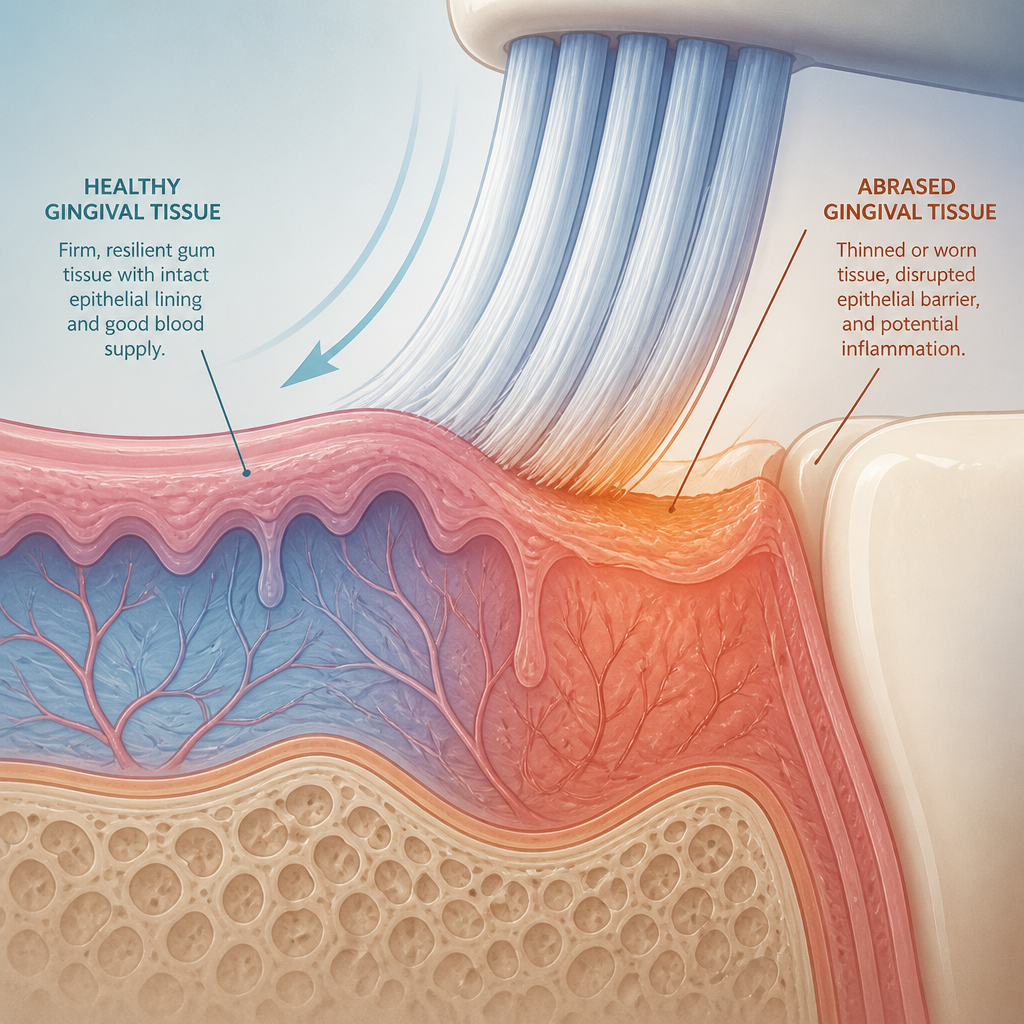
Most people brush too hard. That is not an opinion – it is one of the most consistent findings dental hygienists report from daily clinical practice. The result is a condition called toothbrush abrasion, where the gum line recedes and enamel wears away, ironically caused by the very habit meant to protect your teeth. The case for super soft toothbrush gum health benefits is not a marketing angle. It is backed by clinical observation, patient outcomes, and a growing body of research showing that bristle stiffness directly affects gingival tissue integrity. If you have ever been told by a hygienist to switch brushes, this is why.
Table of Contents
- What Dental Hygienists See in Practice
- Quick Takeaways
- The Science Behind Soft Bristle Toothbrush UK Recommendations
- Who Benefits Most from Super Soft Bristles
- Toothbrush Comparison: Soft vs Medium vs Super Soft
- Dental Hygienist Toothbrush Recommendation: What to Look For
- Frequently Asked Questions
- References
What Dental Hygienists See in Practice
Walk into any dental hygiene appointment and ask what the single most common brushing mistake is. The answer will almost always be the same: too much pressure, with a brush that is too firm. In practice, hygienists see gum recession, root exposure, and dentine hypersensitivity in patients who have brushed diligently for decades but used medium or hard bristle brushes.
A common mistake is assuming that a firmer brush cleans more effectively. It does not. What it does is abrade the soft tissue at the gum margin and strip away enamel at the cervical region of the tooth. Plaque, which is the actual target of brushing, is a biofilm with almost no mechanical resistance. It does not require force to remove. It requires coverage and contact.
The data consistently shows that bristle stiffness is a more significant predictor of gingival damage than brushing frequency. A 2020 review published in the Journal of Clinical Periodontology confirmed that toothbrush trauma is a leading cause of non-carious cervical lesions in adults. That finding has shaped the way dental hygienists give advice, and it is why the shift toward super soft bristles has become a consistent clinical recommendation rather than a niche preference.
Quick Takeaways
| Key Insight | Explanation |
|---|---|
| Super soft bristles reduce gum trauma | Firmer bristles create mechanical abrasion on gingival tissue, especially when combined with heavy brushing pressure, leading to recession over time. |
| Plaque removal does not require force | Dental plaque is a soft biofilm that dislodges with light contact. Super soft bristles are entirely adequate for thorough plaque removal when technique is correct. |
| Small brush heads improve access | A compact head reaches posterior teeth and the gum margin more precisely, reducing the need to apply extra pressure to cover difficult areas. |
| Super soft brushes benefit sensitive patients specifically | Patients with tender gums, post-surgical gum tissue, or gingival inflammation gain the most measurable benefit from switching to super soft bristles. |
| Most UK adults use the wrong bristle firmness | Medium bristle brushes dominate supermarket shelves, yet clinical guidance across UK dental bodies consistently recommends soft or extra soft options. |
| Hygienist recommendation is consistent across patient types | From children to elderly patients to those in NHS care settings, the dental hygienist toothbrush recommendation trends firmly toward soft or super soft bristles. |
| Brush replacement frequency matters too | Super soft bristles that are worn or flayed provide uneven pressure and reduced cleaning efficiency. Replace every 8 to 12 weeks. |
The Science Behind Soft Bristle Toothbrush UK Recommendations
The British Society of Dental Hygiene and Therapy has long advocated for soft bristle toothbrushes as the standard of care for gum health. This is not a conservative position held back by caution. It is grounded in biomechanical evidence showing how repeated lateral and circular brushing strokes create cumulative stress on the gingival sulcus.
The gum margin is made of keratinised tissue, but it has limits. Apply enough mechanical force over enough years, and the result is irreversible recession. Once gum tissue has receded, it does not grow back without surgical intervention. That is the clinical reality that makes the soft bristle toothbrush UK conversation genuinely urgent for patients and professionals alike.
What Research Tells Us About Bristle Stiffness
A study published in the International Journal of Dental Hygiene found that subjects using extra soft bristle brushes showed significantly less gingival abrasion after four weeks compared to those using medium bristle brushes, with no measurable difference in plaque index scores. In other words, the softer brush performed equally well at cleaning and substantially better at protecting tissue.
This finding has been replicated across multiple study cohorts, including patients with gingivitis, periodontitis, and healthy gum tissue. The outcome is consistent: softer bristles do not compromise cleaning. They reduce harm.
Why Medium Brushes Persist in the Market
Medium bristle brushes are not recommended by hygienists, yet they continue to dominate UK retail shelves. The reason is partly commercial and partly habitual. Consumers associate firmness with cleaning power, a perception that manufacturers have historically done little to correct. The result is a market-driven disconnect between clinical guidance and purchasing behaviour.
Specialist oral care brands that prioritise clinical credibility over mass market appeal are the ones filling this gap, offering super soft options with specific bristle configurations designed for gum health rather than shelf appeal.
Who Benefits Most from Super Soft Bristles
While a super soft toothbrush is a sound choice for almost everyone, certain patient groups show the most significant and measurable improvement when they make the switch. These are not edge cases. They are common presentations in dental hygiene clinics across the UK every week.
Patients with Gingival Sensitivity or Inflammation
Inflamed gums are already compromised tissue. Applying medium or firm bristle pressure to an inflamed gingival margin is counterproductive. The mechanical irritation slows healing and can prevent the tissue from resolving inflammation even when the underlying bacterial cause is being treated.
Super soft bristles allow patients to maintain their brushing routine without aggravating the tissue. This is particularly important because patients with sore gums often reduce brushing frequency out of discomfort, which worsens the condition. A super soft toothbrush for gum health removes that barrier.
Post-Surgical and Post-Scaling Patients
After periodontal treatment, scaling, or gum surgery, the tissue is in a vulnerable healing state. Hygienists routinely prescribe super soft bristle brushes for the recovery period. In many NHS oral care pathways, the ability to source consistently gentle brushes through a reliable supply chain is a practical necessity rather than a preference.
Older Adults and Care Home Residents
Elderly patients often have gum recession already present, exposed root surfaces, and reduced manual dexterity. A super soft brush with a small head allows caregivers or the patients themselves to clean effectively without risking further tissue trauma. This group is also more likely to have dry mouth, which reduces the natural protective buffering of saliva and makes tissue more vulnerable to abrasion.
Children and Patients with Sensory Sensitivities
For patients who find brushing uncomfortable due to sensory processing differences, flavour sensitivities, or oral aversions, the texture of the brush is as important as the taste of the toothpaste. A super soft brush combined with an unflavoured, non-foaming toothpaste can make the difference between a brushing routine that happens and one that does not.
Pro tip: If a patient reports that brushing feels painful or that their gums bleed regularly, the instinctive response is often to brush more gently or less often. The better clinical instruction is to switch to a super soft bristle brush and review technique. Bleeding gums more often signal inadequate plaque removal or tissue trauma, not over-brushing in isolation.
Toothbrush Comparison: Soft vs Medium vs Super Soft
The differences between bristle categories are not always clearly explained on packaging. The table below compares the three main bristle types across the criteria that matter clinically for gum health.
| Feature | Medium Bristle Brush | Soft Bristle Brush | Super Soft Bristle Brush (e.g., oraNurse) |
|---|---|---|---|
| Gum trauma risk | High with moderate to heavy pressure | Low to moderate with correct technique | Minimal even with heavier pressure |
| Plaque removal effectiveness | Adequate | Adequate | Adequate, no measurable reduction vs medium |
| Suitability for sensitive or receding gums | Not recommended | Acceptable in mild cases | Recommended as first choice |
| Post-surgical use | Contraindicated | Use with caution | Recommended by hygienists |
| Suitability for care home or assisted brushing | Not suitable | Acceptable | Preferred for safety and compliance |
| Availability in NHS supply chain (UK) | Common | Common | Available via specialist suppliers including oraNurse |
“The evidence is clear that toothbrush trauma contributes significantly to gingival recession and cervical tooth wear. Selecting a brush with soft or extra-soft filaments should be the default recommendation for most patients, not the exception.” – British Society of Periodontology, clinical guidance on home care
Dental Hygienist Toothbrush Recommendation: What to Look For
Not all brushes labelled “soft” are equivalent. The labelling is not standardised across manufacturers, which means one brand’s soft can feel comparable to another brand’s medium. When hygienists make a specific recommendation, they typically look beyond the label to the physical characteristics of the brush.
Bristle Diameter and Tip Finish
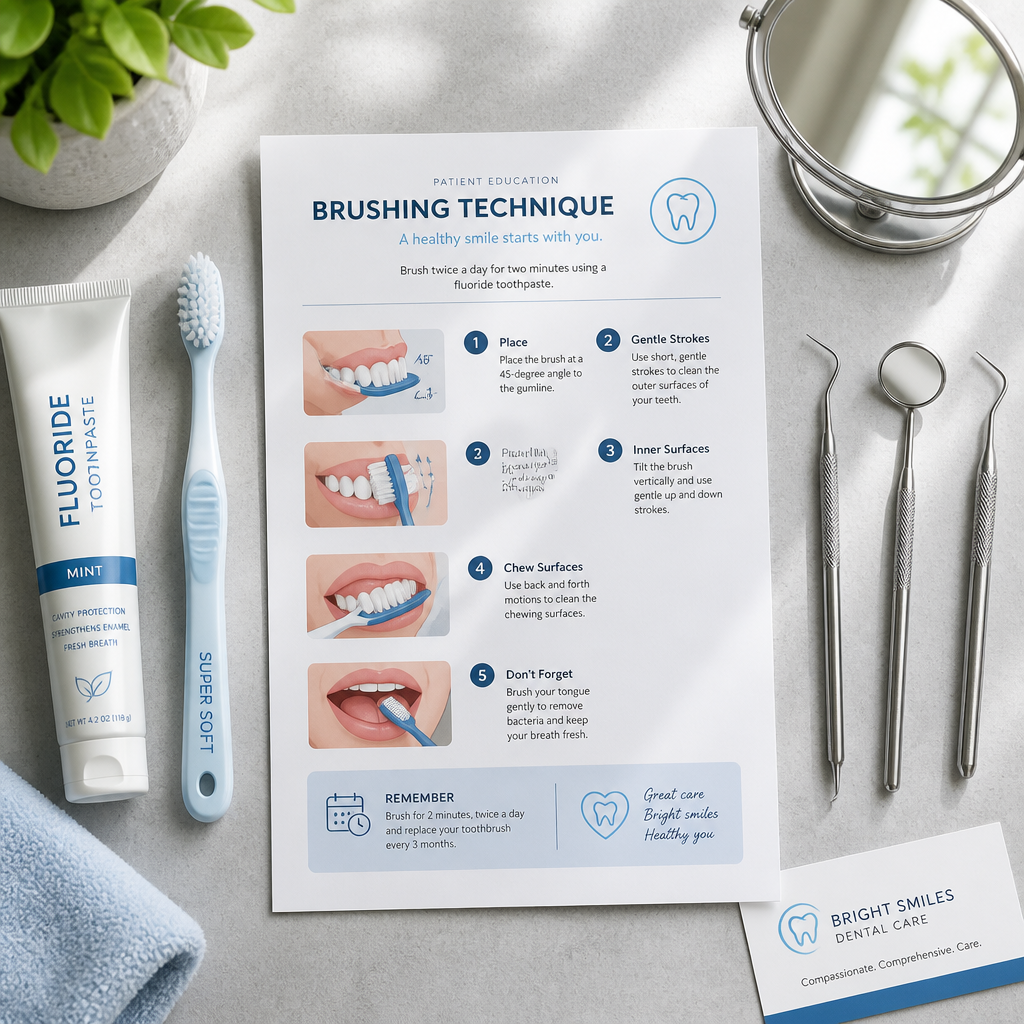
Super soft bristles typically have a filament diameter of 0.15mm. Rounded or tapered tips matter because blunt-cut bristles create localised pressure points on soft tissue. A brush with rounded tips distributes force more evenly across the gum margin, reducing the risk of punctate trauma that can go unnoticed over time.
Head Size and Shape
A small compact head is consistently part of the dental hygienist toothbrush recommendation. It allows precise angulation at the gum line, access to posterior molars, and control in smaller mouths or those with anatomical variation. Large brush heads encourage sweeping strokes that miss the gingival sulcus and increase the likelihood of applying pressure to compensate for poor access.
Handle Ergonomics for Different Users
For patients with reduced grip strength, arthritis, or those brushing a dependent patient, handle width and grip texture affect how much downward pressure ends up being applied. A brush designed with a comfortable, controlled grip reduces accidental over-pressure, which is particularly relevant in care home settings where consistency of technique across multiple carers varies.
Pro tip: When recommending a super soft toothbrush to a patient who has never used one before, set the expectation that the brush will feel noticeably different. Patients often interpret the gentler sensation as ineffective cleaning. Confirming that the brush is clinically adequate and that the different feel is the point helps with long-term compliance.
Product Integrity and Clinical Trust
For healthcare professionals sourcing brushes for NHS settings or recommending products to patients with specific needs, product consistency matters. A brush that varies in bristle density or firmness between batches creates unpredictability in patient outcomes. This is why specialist oral care suppliers with a clear clinical focus are preferred over generic retail sourcing in professional settings.
oraNurse’s super soft toothbrush range, including options with small heads designed for precise gum line access, addresses exactly this need. The brushes are designed with the same philosophy that underpins the rest of the oraNurse product range: specificity and clinical credibility over mass market compromise.
Frequently Asked Questions
Are super soft toothbrushes as effective as medium brushes at removing plaque?
Yes. Multiple clinical studies have found no statistically significant difference in plaque removal between super soft and medium bristle brushes when brushing technique is consistent. The difference lies in gingival trauma. Super soft brushes clean equally well and cause substantially less damage to gum tissue over time.
How do I know if my current toothbrush is damaging my gums?
Signs include gum recession visible as longer-looking teeth, sensitivity to cold at the gum line, bleeding during brushing even with light pressure, and notching at the cervical region of teeth. These are all indicators that the mechanical load from your brush may be too high. A super soft brush and a review of brushing technique with a hygienist are the appropriate next steps.
Do dental hygienists in the UK recommend electric or manual super soft toothbrushes?
Both can be effective. The key variable is bristle stiffness and technique, not whether the brush is powered. For patients with limited dexterity or those who struggle with manual technique, a powered brush with soft bristles can be beneficial. For patients who prefer manual brushing or who have sensory sensitivities that make powered brushes uncomfortable, a manual super soft brush is entirely appropriate.
Can children use super soft toothbrushes?
Yes, and in many cases they should. Children’s gum tissue is sensitive and still developing. Super soft bristles reduce the risk of early gum recession and make brushing more comfortable, which supports routine compliance. For children with sensory sensitivities or aversions to brushing, a super soft silicone fingertip brush can be a useful first step before transitioning to a conventional brush.
How often should a super soft toothbrush be replaced?
Every 8 to 12 weeks, or sooner if the bristles show visible flaying or bending. Worn bristles do not make even contact with the tooth surface or gum margin, reducing cleaning efficiency and creating uneven pressure points. In NHS or care home settings, a regular replacement schedule should be built into the oral care protocol rather than left to individual judgement.
Is there a specific super soft toothbrush recommended for patients with gum disease?
Hygienists typically recommend a brush with super soft rounded-tip filaments and a small compact head for patients with active gum disease or recovering from periodontal treatment. The priority is to allow patients to maintain brushing frequency without causing additional tissue trauma. Products designed with a specific clinical brief, rather than general consumer appeal, tend to meet these criteria most reliably.
References
- NHS guidance on oral health and dental care for patients in England
- World Health Organization global data on oral disease prevalence and prevention
- UK Government public health resources including national dental health strategy documents
- Statista consumer and market research data on oral care product usage in the UK
- PubMed and National Library of Medicine peer-reviewed research on toothbrush abrasion and gingival recession