

Ask a dental professional which toothbrush to recommend and the answer is rarely simple. Bristle firmness, head size, handle design, and brush format each shape whether a patient can tolerate daily brushing at all – and for many of the patients who need oral care most urgently, a poor toothbrush choice means brushing simply does not happen. A thorough types of toothbrush comparison is not a trivial exercise. It is the difference between a patient who brushes every day and one who cannot manage it. This guide is written for dentists, dental hygienists, practice nurses, and care home oral health leads who want clear, evidence-informed answers rather than marketing generalities.
Table of Contents
- Quick Takeaways
- Bristle Firmness: What the Evidence Actually Shows
- Head Size: Why Smaller Is Clinically Superior for Most Patients
- Super Soft vs Medium Toothbrush: A Direct Clinical Comparison
- The Silicone Fingertip Toothbrush: When Standard Handles Fail
- Toothbrush Selection in Special Care and NHS Settings
- Making a Toothbrush Recommendation That Patients Will Actually Follow
- Frequently Asked Questions
- References
Quick Takeaways
| Key Insight | Explanation |
|---|---|
| Soft and super soft bristles are safer for daily use | Medium and hard bristles generate more gingival abrasion and contribute to enamel wear. Softer filaments remove plaque effectively when technique is correct. |
| Filament diameter defines true softness | Genuine super soft brushes use filaments of 0.15mm. Standard soft brushes typically use 0.20mm filaments – a difference that matters clinically for patients with tender or inflamed gums. |
| Small heads improve posterior access and patient tolerance | A compact brush head reduces bulk in the mouth, limits gag reflex stimulation, and allows better visibility for carers assisting with brushing. |
| Silicone fingertip brushes are a genuine clinical tool, not a novelty | For patients who cannot tolerate a rigid handle – due to cognitive impairment, severe gag reflex, or profound disability – a fingertip brush gives the carer full tactile pressure control. |
| Toothbrush type should be documented in the care plan | Treating brush selection as an afterthought undermines clinical treatment. A patient who cannot tolerate brushing undoes the results of every clinical intervention within weeks. |
| Medium bristles have a narrow legitimate use case | Medium bristles may be appropriate for patients with dentures, healthy robust gums, and low brushing pressure – but this cohort is smaller than the marketing of medium brushes implies. |
| Flavour sensitivity affects toothbrush compliance indirectly | Patients who reject strong-flavoured toothpaste often resist brushing overall. Pairing the right brush with an unflavoured, non-foaming toothpaste increases the chance of daily compliance. |
Bristle Firmness: What the Evidence Actually Shows
The bristle firmness debate is largely settled among dental researchers, even if it persists in the consumer aisle. Hard and medium bristles generate more gingival trauma than soft or super soft bristles, and enamel once worn by abrasive brushing does not regenerate. This is not a fringe position – it reflects consistent findings across multiple decades of clinical observation and is the basis for major dental association guidance toward soft-bristled brushes for routine daily use.
The mechanism is straightforward. Firmer filaments do not flex as they move across the gumline, so they drag against the delicate gingival margin rather than sweeping beneath it. Combined with the particulate abrasives in most toothpastes, that dragging motion acts cumulatively on both gum tissue and cementum. Patients rarely notice this damage until it becomes visible as recession or sensitivity – by which point it is already irreversible.
When medium bristles are still appropriate
Medium-firmness brushes are not uniformly harmful. For patients with full dentures who brush prosthetic teeth only, a firmer bristle can clear debris more efficiently. Some patients with robust gum health and demonstrably light brushing pressure may also tolerate medium bristles without tissue damage. The operative word is “demonstrably” – most patients who believe they brush lightly are not light brushers once objectively assessed. When in doubt, the safer recommendation is always the softer option.
A patient who cannot tolerate daily brushing undoes the results of every clinical intervention within weeks. Toothbrush type should be a documented recommendation in the patient care plan, not an afterthought at the end of an appointment.
Pro tip: If a patient presents with fraying bristles after just four to six weeks of use, this is a reliable sign of excessive brushing pressure – not that the brush is worn out. Address the pressure before recommending a replacement brush of the same firmness.
Head Size: Why Smaller Is Clinically Superior for Most Patients
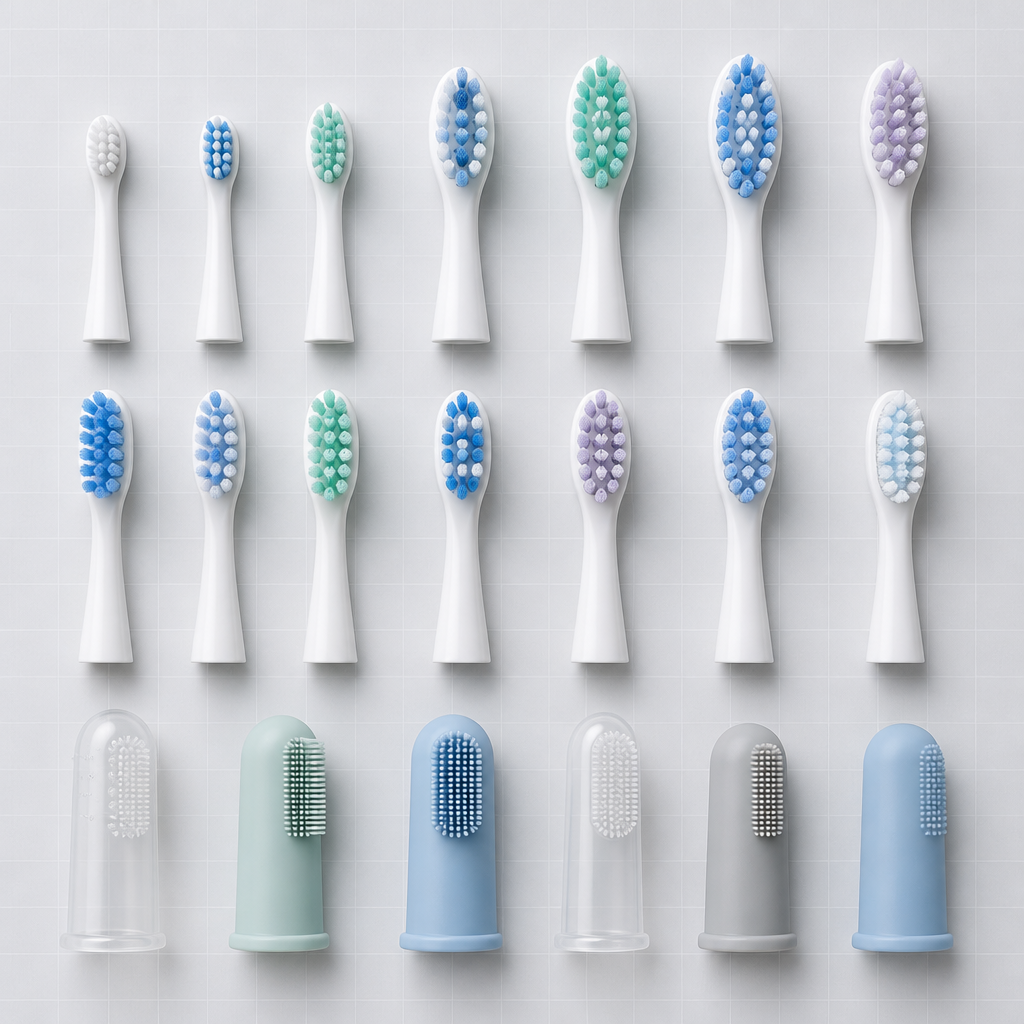
Head size is underweighted in most toothbrush conversations, especially in clinical settings. A large brush head creates two problems: it blocks visibility for the person doing the brushing, and it stimulates the posterior pharynx – which means gag reflex activation in patients who already find brushing distressing.
A small-headed brush allows the clinician or carer to see exactly which surfaces are being cleaned and to manoeuvre around individual teeth in the posterior region without the brush head pressing against the soft palate. For patients being brushed by a carer, this visibility directly improves plaque removal outcomes. For patients with any history of gagging, a smaller head is often the only brush that enables posterior access at all.
The relationship between head size and gag reflex management
Patients with sensory sensitivities, autism spectrum conditions, or significant dental anxiety frequently cite the size and weight of the brush head as a primary reason they resist brushing. A smaller, lighter head presents less stimulus. Pairing a small-headed brush with an unflavoured toothpaste removes two of the most commonly reported barriers simultaneously – bulk in the mouth and intense flavour.
oraNurse’s small-headed super soft toothbrush is specifically designed for this patient cohort. The reduced head size is not a cosmetic choice: it reflects what actually keeps brushing happening in households and care settings where standard-sized brushes have already been tried and rejected.
Pro tip: When recommending a brush for a carer-assisted patient, always factor in the carer’s experience, not just the patient’s anatomy. A small, well-designed head with clear bristle visibility makes the carer’s job easier and reduces the chance of accidental trauma during assisted brushing.
Super Soft vs Medium Toothbrush: A Direct Clinical Comparison
The super soft vs medium toothbrush question comes up repeatedly in hygiene appointments, care home assessments, and NHS procurement decisions. The table below provides a functional comparison across the three main brush categories. It is intended as a practical reference for clinical use, not a general consumer guide.
| Feature | Super Soft (0.15mm filament) | Standard Soft (approx. 0.20mm filament) | Medium (approx. 0.25mm+ filament) |
|---|---|---|---|
| Gingival trauma risk | Very low – recommended for inflamed, post-surgical, or chemotherapy-affected gums | Low – appropriate for most adults with reasonably healthy gums | Moderate to high if brushing pressure is not controlled |
| Plaque removal efficacy | Effective when correct technique is used | Effective – evidence base is well-established | Effective but at greater tissue cost |
| Patient tolerance (sensitive gums) | High – tolerated by patients who resist standard brushes | Moderate – some patients with acute gingivitis still find this too firm | Low – frequently cited as painful by patients with tender gums |
| Best clinical indication | Post-surgery recovery, chemotherapy, learning disabilities, care home patients, dental anxiety, gum disease active phase | Routine adult maintenance for generally healthy patients | Denture cleaning, patients with robust gum health and proven light pressure |
| NHS procurement suitability | High – addresses the widest range of special care needs | High – suitable for standard distribution | Limited – not appropriate as a general issue brush in care settings |
In practice, super soft brushes are the appropriate default for any patient flagged for special care dentistry, any patient in active periodontal treatment, and any patient presenting with visible gum recession or documented sensitivity. The default should not be standard soft with a downgrade offered if there are problems. Start softer and move firmer only with clear clinical justification.
The Silicone Fingertip Toothbrush: When Standard Handles Fail
The silicone fingertip toothbrush occupies a distinct category. It is not simply a softer alternative to a handled brush – it is a fundamentally different tool that addresses a different problem. For adults who cannot tolerate a handle toothbrush, whether due to severe gag reflex, significant cognitive impairment, profound physical disability, or extreme dental anxiety, a silicone fingertip brush worn by a carer or support worker provides full tactile control during cleaning.
The critical advantage is pressure awareness. When a carer wears the brush on their fingertip, they can feel exactly how much pressure is being applied through the fingertip, which is impossible with a handled brush. This makes accidental trauma significantly less likely, particularly in patients who move unexpectedly or who clench during mouth care.
Sizing for clinical use
Fingertip brushes are available in multiple sizes to fit different carer hand sizes and patient mouth sizes. oraNurse’s silicone fingertip toothbrush comes in small (15-17mm), medium (17-19mm), and large (19-21mm) options. Selecting the correct size matters: a brush that is too small for the carer’s finger will slip during use, and a head that is too large will cause the same access problems as an oversized handled brush.
Who the fingertip brush is not right for
The fingertip brush is not a substitute for a handled brush in routine adult care. Its plaque removal coverage per stroke is more limited, and it requires a cooperative or at least compliant patient. For independent brushers, it offers no advantage and some disadvantage. Its proper place is as a specialist tool for specific patient groups – not as a cost-cutting alternative to a full toothbrush in care settings where a full toothbrush would work.
Toothbrush Selection in Special Care and NHS Settings
Oral hygiene in care homes, learning disability services, and NHS inpatient settings operates under conditions that most product guides do not address. Carers often have limited oral health training, patients may resist mouth care actively, and products are selected by procurement leads who prioritise cost and simplicity over clinical specificity.
The result is that patients who most need tailored oral care tools most often receive generic products that do not suit their needs. A standard-sized medium-firmness brush distributed through a care home is functionally useless for a patient with a profound gag reflex, severe dental anxiety, or cognitive impairment that makes resisting any oral intervention routine behaviour.
What good procurement looks like in practice
Effective oral care procurement for a care setting should include at minimum three brush types: a super soft small-headed handled brush for the majority of residents, a silicone fingertip brush for residents who cannot tolerate a handle, and a standard soft brush for residents who are independent with oral care and have no documented sensitivity. Stocking only one type is almost always the wrong answer.
oraNurse supplies through NHS supply chain partnerships, making it genuinely practical for NHS facilities and care providers to procure the right tools without sourcing from multiple specialist suppliers. This matters operationally – care settings need consistent supply, not one-off orders from niche retailers.
Pro tip: When conducting an oral health assessment in a care setting, ask to see the brushes currently in use before reviewing the care plans. In most cases, the mismatch between documented patient need and the brush on the shelf tells you more about gaps in care than the paperwork does.
Making a Toothbrush Recommendation That Patients Will Actually Follow
The best toothbrush recommendation dental professional can give is the one the patient will actually use consistently. This sounds obvious but it is regularly ignored in practice. A technically superior brush that the patient finds uncomfortable, intimidating, or unpleasant sits in a drawer while the patient uses nothing.
Effective recommendation requires knowing three things: the patient’s current brushing behaviour, their specific oral health status, and any sensory or physical barriers to brushing. A patient with acute gingivitis who reports that brushing causes pain needs a super soft brush and an explanation of why the pain is temporary, not a standard soft brush and a reminder to brush more carefully.
Matching brush to patient profile
Patients with flavour sensitivity should receive a brush recommendation alongside a toothpaste recommendation – because the combination matters. A patient who cannot tolerate mint-flavoured toothpaste will not brush consistently regardless of how good the brush is. oraNurse’s unflavoured, non-foaming toothpaste is specifically formulated for this cohort, available in multiple fluoride strengths including formulations appropriate for high-caries-risk patients. Pairing it with a super soft or fingertip brush creates a complete solution rather than a partial one.
Patients undergoing active periodontal treatment should not be brushing with medium bristles, full stop. The inflammatory state of the gingival tissue during active disease means that even moderate bristle firmness is enough to cause pain that discourages brushing – exactly when consistent brushing matters most.
Frequently Asked Questions
What is the difference between a super soft and a standard soft toothbrush?
The primary difference is filament diameter. Genuine super soft toothbrushes use filaments of 0.15mm, while standard soft brushes typically use filaments around 0.20mm. That difference means the super soft filaments flex more readily against the gumline, applying less pressure per bristle and causing less gingival trauma. For most patients with healthy gums, a standard soft brush is adequate. For patients with tender, inflamed, or post-surgical gums, the super soft category is meaningfully gentler.
Can a super soft toothbrush remove plaque effectively?
Yes. Plaque is a soft biofilm that does not require mechanical force to disrupt – it requires coverage and consistency. A super soft brush used with correct technique removes plaque just as effectively as a medium brush, with significantly less risk to gum tissue and enamel. The persistent belief that firmer brushes clean better reflects marketing rather than clinical evidence. Technique and time spent brushing matter far more than bristle firmness in determining plaque removal efficacy.
When should a dental professional recommend a silicone fingertip toothbrush?
A silicone fingertip toothbrush is indicated when a patient cannot tolerate a rigid handle entering the mouth. This typically applies to patients with profound cognitive impairment, severe gag reflex, extreme dental anxiety, or significant physical disability that makes mouth care actively distressing. It is a carer-applied tool: the brush is worn on the carer’s fingertip, giving full tactile feedback about pressure and enabling oral care where a standard brush would cause distress or be actively refused. It is not a substitute for a handled brush in any patient who can tolerate one.
Is a medium toothbrush ever the right clinical recommendation?
In a narrow set of circumstances, yes. Patients cleaning full dentures may benefit from medium bristles for debris removal on the prosthesis. Patients with demonstrably light brushing pressure, robust gingival health, and no documented sensitivity may tolerate medium bristles without tissue damage. However, this cohort is smaller than the availability of medium brushes on pharmacy shelves implies. In care settings especially, medium bristles should not be the default. The potential for harm, particularly in patients who cannot self-report pain or discomfort, is too significant.
How should toothbrush type be documented in a patient care plan?
Toothbrush type should be documented with the same specificity as any other oral health intervention: name the brush category (super soft, small-headed, fingertip), note the rationale (for example: patient has active gingivitis and reports pain with standard soft brush), and set a review point. In care home settings, the documented recommendation should be communicated to all carers involved in the patient’s mouth care – not filed and forgotten. A recommendation that does not reach the carer who does the actual brushing is clinically worthless.
What brushes does oraNurse supply for NHS and care home settings?
oraNurse supplies super soft toothbrushes with small heads, silicone fingertip toothbrushes in multiple sizes (small 15-17mm, medium 17-19mm, large 19-21mm), and unflavoured non-foaming toothpaste in multiple fluoride strengths. Products are available through NHS supply chain partnerships, making bulk procurement straightforward for NHS facilities and care providers without needing to source from multiple specialist suppliers. The product range is designed specifically for inclusive oral care – covering patients with sensory sensitivities, tender gums, and special care needs.
Does head size affect how well a toothbrush cleans?
Head size primarily affects access and tolerance rather than the cleaning efficacy of the bristles themselves. A smaller head allows better access to posterior teeth, reduces gag reflex stimulation in sensitive patients, and gives carers better visibility when assisting with brushing. A larger head may cover more surface area per stroke in a cooperative adult with a wide oral opening, but the advantage disappears as soon as the patient’s anatomy or tolerance limits how far back the brush can comfortably reach. For the majority of patients in special care settings, a smaller head produces better real-world outcomes.
References
- oraNurse clinical comparison of super soft and standard toothbrushes for sensitive gums, including filament diameter data and care setting guidance
- oraNurse guide on small-headed toothbrushes and why reduced head size improves patient tolerance and carer-assisted brushing
- Overview of clinical and professional guidance on soft versus medium toothbrush bristles for daily oral care
- Dental practice review of evidence on soft versus medium bristle toothbrushes and their impact on gum health and enamel
- Oral health guidance for patients with special healthcare needs including caregiver-assisted brushing techniques