

Ask any parent of an autistic child about the toothbrushing routine and you will hear the same story: a small bathroom, a lot of distress, and a toothpaste tube that smells like spearmint at ten paces. For autistic children and adults, the flavour, foam, and texture of standard toothpaste can be genuinely overwhelming, not dramatic, not picky, genuinely overwhelming. Unflavoured toothpaste for autism is not a niche novelty. It is a direct, practical response to a sensory barrier that stands between thousands of people and basic oral health. This article explains why that barrier matters, what makes a toothpaste truly sensory-friendly, and how oraNurse products are built around these exact needs.
Table of Contents
- Why Standard Toothpaste Fails Autistic Users
- Quick Takeaways
- The Sensory Science Behind Toothbrushing Resistance
- What Makes Toothpaste Truly Sensory-Friendly
- Unflavoured vs Mildly Flavoured vs Standard Toothpaste
- Choosing the Right Fluoride Strength
- Toothbrush Choice Matters as Much as Toothpaste
- Practical Strategies for Caregivers and Healthcare Professionals
- Frequently Asked Questions
- References
Why Standard Toothpaste Fails Autistic Users
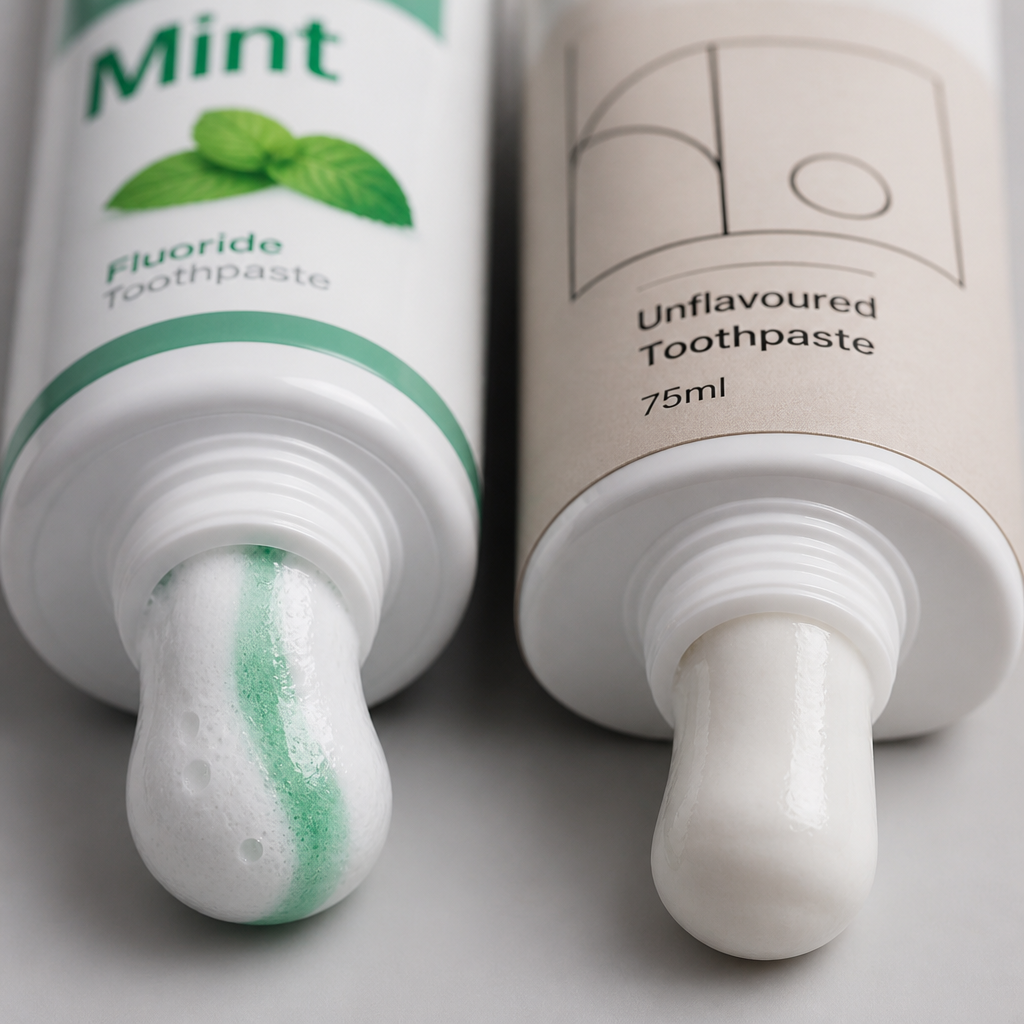
Standard toothpaste is designed for the statistical average. Strong mint flavour signals cleanliness to most consumers. Heavy foaming from sodium lauryl sulphate (SLS) feels thorough. But for autistic individuals, those same features are the problem, not a minor annoyance but a real physical trigger that causes distress, gagging, and outright refusal to brush.
The result is a measurable oral health gap. Autistic individuals are at higher risk of dental decay and gum disease not because they do not want clean teeth, but because the tools they are handed were not designed for their sensory profile. Telling someone to “just push through” a sensory trigger is not a dental hygiene strategy. Removing the trigger is.
oraNurse was built on exactly this premise. Every product in the range, from the unflavoured non-foaming toothpaste to the super soft small-headed toothbrushes, starts from the question: what would make this tolerable for someone with heightened sensory sensitivity? That is a different design brief from almost every mainstream oral care brand, including competitors such as TePe and Oralieve, whose product ranges still centre strongly-flavoured options.
Quick Takeaways
| Key Insight | Explanation |
|---|---|
| Flavour is the most common sensory trigger in toothbrushing for autistic individuals | Mint, bubblegum, and berry flavours can cause gagging, anxiety, and refusal. Removing flavour entirely eliminates this trigger at the source. |
| Foaming agents (SLS) intensify sensory overload | The foam produced by SLS amplifies taste and sensation in the mouth. Non-foaming toothpaste significantly reduces this input, making brushing more tolerable. |
| Fluoride protection does not require flavour | Unflavoured toothpaste can deliver full fluoride protection. Choosing unflavoured does not mean compromising on cavity prevention. |
| Multiple fluoride strengths matter for different age groups and needs | oraNurse offers different fluoride concentrations so caregivers and dental professionals can match the right formula to the individual, from young children to adults. |
| Brush design is part of the sensory equation | A super soft toothbrush with a small head reduces tactile discomfort at the gums and reaches the back teeth without triggering the gag reflex as strongly. |
| Consistency of routine reduces anxiety over time | Using the same unflavoured, non-foaming product every time removes unpredictable sensory surprises and helps build a predictable, lower-stress routine. |
| Healthcare professionals play a direct role in recommending sensory-friendly products | Dentists and dental hygienists working with autistic patients or in NHS settings are best placed to recommend unflavoured toothpaste as a first-line solution, not a last resort. |
The Sensory Science Behind Toothbrushing Resistance
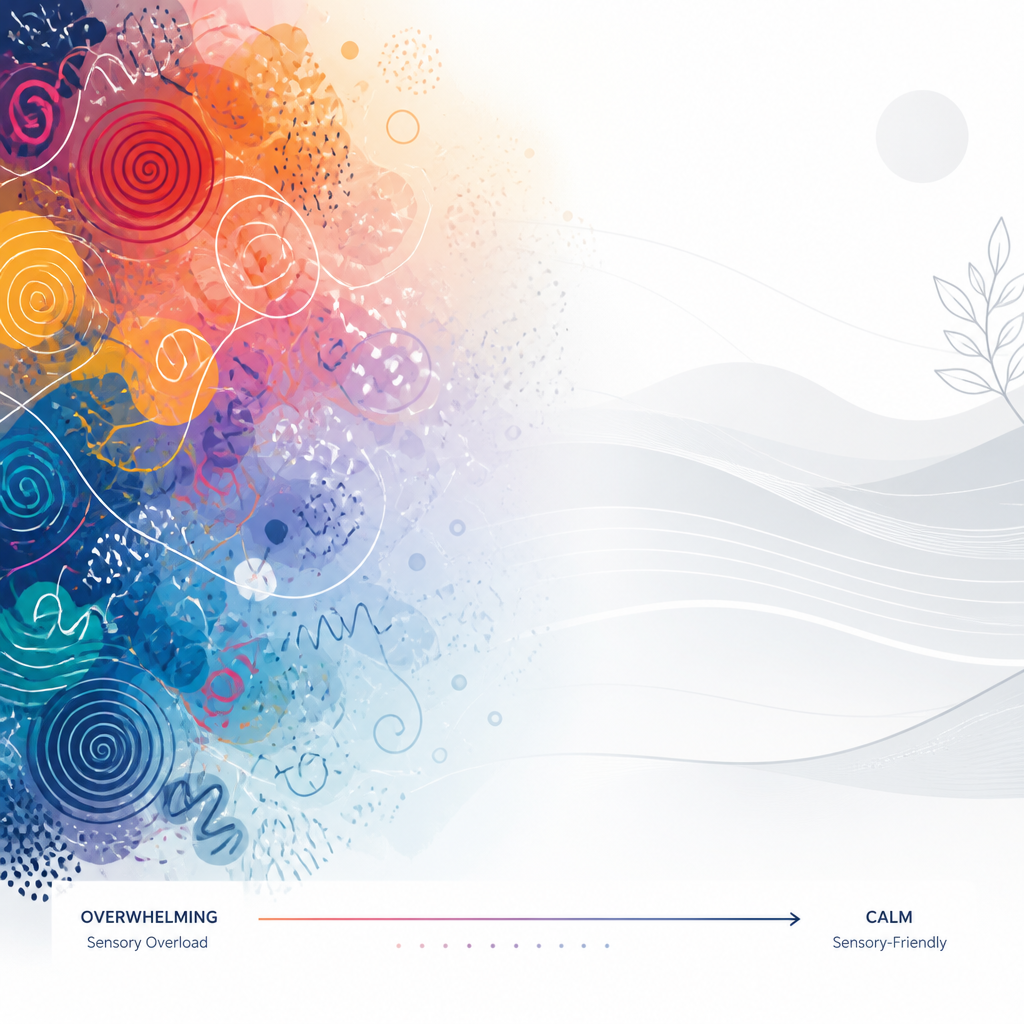
Autistic individuals frequently experience what is described as sensory hypersensitivity, a lower threshold for sensory input across touch, taste, smell, and sound. Toothbrushing combines all four in a small, enclosed space. The bristles on gum tissue, the flavour hitting the back of the tongue, the smell of mint filling the nasal passage, the sound of brushing amplified inside the skull. For someone with a typical sensory profile, none of this registers as a problem. For someone who is hypersensitive, each element compounds the others.
The combination of sound, taste, and tactile sensation during toothbrushing can create sensory overload, causing real discomfort and anxiety for autistic children, not reluctance or defiance.
This matters because the standard clinical advice, “brush twice a day for two minutes,” assumes the person can tolerate the process. For a significant number of autistic children and adults, the process itself is the barrier, and adjusting the tools is the only way forward.
Why Taste and Flavour Are the Highest-Impact Variables
Of all the sensory components in toothbrushing, flavour tends to provoke the most intense reactions. Smell and taste are closely linked, meaning that even opening a tube of strongly-scented mint toothpaste can trigger anticipatory anxiety before the brush reaches the mouth. Some autistic individuals describe the mint flavour as burning or stinging rather than refreshing, a perception that is physiologically real rather than imagined.
This is why sensory-friendly toothpaste that removes flavour entirely, rather than substituting one flavour for a milder one, tends to produce better outcomes. A mild berry flavour is still a flavour, and for a hypersensitive individual it may still be intolerable. Truly unflavoured means no competing input on the palate at all.
The SLS Problem That Most Product Labels Do Not Mention
Sodium lauryl sulphate is the foaming agent in most commercial toothpastes. It has no therapeutic function. Its job is cosmetic: it makes the paste foam, which consumers associate with thorough cleaning. For autistic users, that foam intensifies the overall sensory experience in the mouth, thickens the perceived texture, and can trigger gagging. Non-foaming toothpaste removes this entirely. It is not a lesser product. It is a better-designed one for this population.
What Makes Toothpaste Truly Sensory-Friendly
The phrase “sensory-friendly toothpaste” is used loosely in the market. Some brands apply it to any product with a mild flavour. That is not the same thing. Genuinely sensory-friendly toothpaste for autistic users meets a specific set of criteria, and each criterion addresses a real sensory trigger.
No Added Flavour
The product must contain no flavouring agents. Not mild mint, not natural spearmint, not unflavoured-but-mentholated. The formulation should be neutral on the palate so that the taste of the toothpaste itself does not become a point of resistance. oraNurse toothpaste is formulated without any flavouring, which is unusual in mainstream oral care and makes it one of the very few options that genuinely qualifies.
SLS-Free Formula
No sodium lauryl sulphate means no foam. This is non-negotiable for users who experience sensory overload during brushing. The absence of foam also means the product rinses cleanly, which reduces the prolonged mouth-rinsing that can itself become a secondary sensory event.
Appropriate Fluoride Protection
A common misconception is that sensory-friendly automatically means fluoride-free. It does not and should not. Fluoride remains the most evidence-supported ingredient for cavity prevention in both children and adults. Oral care for autistic adults and children should not sacrifice protection in the name of gentleness. oraNurse provides fluoride in its unflavoured formulas at concentrations appropriate for different age groups, meaning users do not have to choose between tolerability and effectiveness.
Pro tip: If you are a dental professional recommending toothpaste to an autistic patient who has been refusing to brush, start with oraNurse unflavoured non-foaming toothpaste before exploring more complex behaviour or desensitisation protocols. Removing the sensory trigger is faster and less disruptive than working around it.
Unflavoured vs Mildly Flavoured vs Standard Toothpaste
Not every autistic individual sits at the same point on the sensory sensitivity spectrum. Some will manage a very mild flavour with no problems. Others will reject anything that departs from completely neutral. Knowing where an individual sits helps caregivers and clinicians make a more targeted choice rather than defaulting to whatever is on the pharmacy shelf.
| Toothpaste Type | Best Suited For | Key Limitation for Autistic Users |
|---|---|---|
| Standard flavoured toothpaste (mint, bubblegum) | Individuals without significant flavour or foam sensitivity | Strong flavour and SLS foam are the most common toothbrushing triggers. Most autistic individuals who struggle with brushing cite these as the primary cause. |
| Mildly flavoured toothpaste (berry, mild mint) | Individuals with mild flavour sensitivity who accept some taste but not strong mint | Still contains flavouring agents. For highly sensitive individuals, a mild flavour may still be intolerable. Often still contains SLS. |
| Unflavoured, non-foaming toothpaste (oraNurse) | Autistic children and adults with moderate to high sensory sensitivity. Also suitable for patients with oral mucositis, tender gums, or post-surgical care needs. | Some children motivated by flavour may find a flavoured option more engaging initially. Pairing with a consistent brushing routine addresses this. |
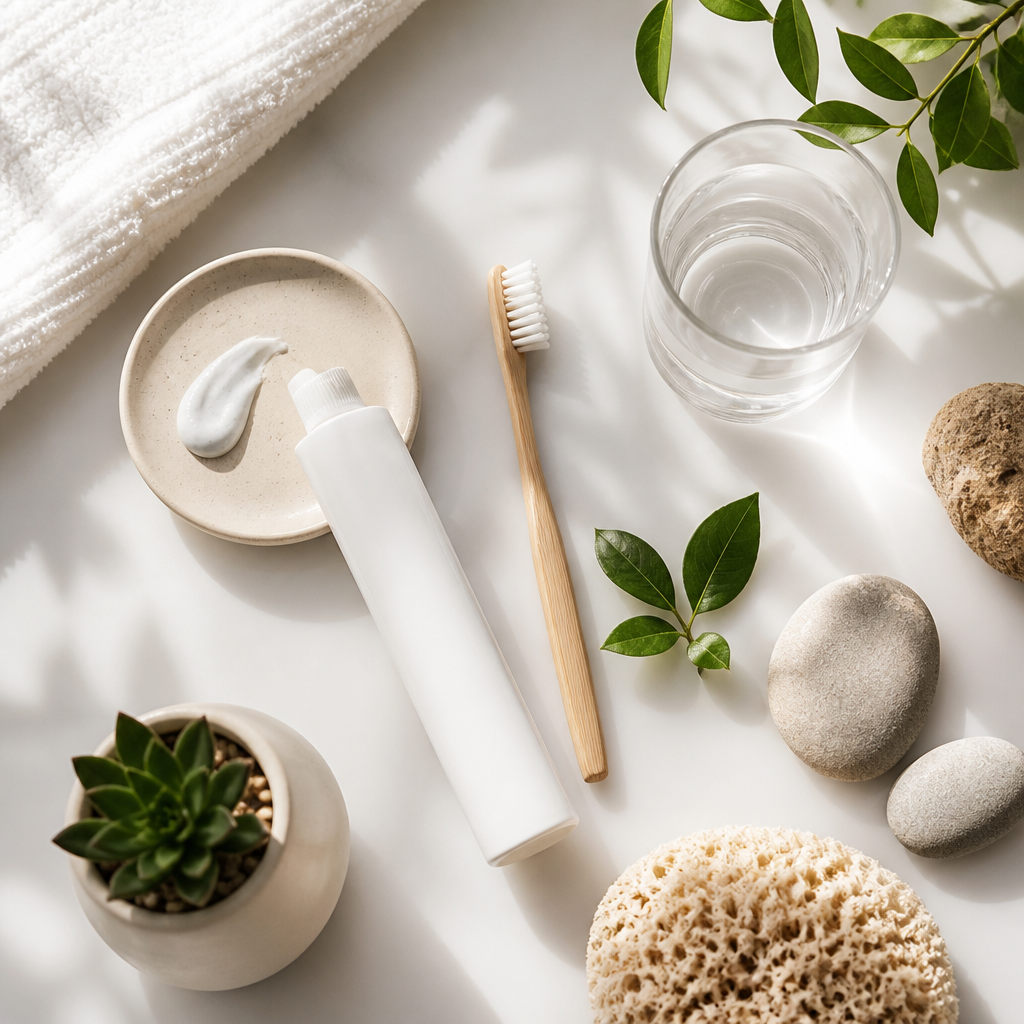
In practice, the vast majority of autistic individuals who have been unable to establish a brushing routine respond positively when the flavour and foam are removed. Mild flavour substitutions tend to be a compromise that satisfies caregivers more than the autistic person themselves.
Choosing the Right Fluoride Strength
One practical advantage of the oraNurse range is that unflavoured toothpaste is available in multiple fluoride concentrations. This matters because fluoride recommendations differ by age, risk level, and clinical context, and a single product does not serve every autistic individual well.
Children Under Three
Younger children generally need a lower fluoride concentration. The concern here is not toxicity from proper use, but from the fact that young children are more likely to swallow toothpaste rather than spit it out. A lower-strength unflavoured formula removes the incentive to swallow (the pleasant taste) while keeping fluoride at a safe and effective level.
Children Over Three and Teenagers
As the child grows and the ability to spit improves, a standard adult fluoride concentration becomes appropriate. For autistic teenagers, who may have been avoiding brushing for years and carry a higher decay risk as a result, ensuring adequate fluoride is particularly important. The unflavoured format makes compliance far more achievable.
Adults, Including Those in NHS and Care Settings
oraNurse supplies into NHS settings and care homes, where staff are brushing the teeth of adults who cannot do so independently. In this context, a non-foaming, unflavoured toothpaste is not just preferable, it is significantly safer and more practical. Foam in the mouth of a patient who cannot rinse independently creates an aspiration risk. The absence of foam in the oraNurse formula directly addresses this clinical concern.
Pro tip: Healthcare professionals in NHS community dental teams should document the use of unflavoured non-foaming toothpaste in care plans for autistic patients and patients with swallowing difficulties. It supports both safeguarding and clinical governance requirements around aspiration risk management.
Toothbrush Choice Matters as Much as Toothpaste
Addressing toothpaste without addressing the toothbrush is solving half the problem. The tactile sensation of bristles on gums is the second major sensory barrier for autistic individuals, particularly those who are hypersensitive to touch in and around the mouth.
Super Soft Bristles and Small Heads
Standard toothbrushes, even those marketed as “soft,” often have a bristle firmness that is uncomfortable for someone with tactile hypersensitivity. oraNurse super soft toothbrushes are specifically designed with a bristle density and softness intended for tender or sensitive gums, not just as a marketing descriptor but as a functional design choice. The small head size reduces the physical footprint in the mouth, which helps manage the gag reflex, particularly important for autistic individuals who have heightened sensitivity at the back of the mouth.
Silicone Fingertip Toothbrush as a Starting Point
For autistic children or adults who cannot yet tolerate a standard toothbrush at all, the oraNurse silicone fingertip toothbrush offers a graduated entry point. The carer places it on their fingertip and cleans the teeth using gentle, controlled pressure. The sensation is less abrupt than a bristle brush, and because the carer controls the movement, it reduces the unpredictability that often drives resistance.
In practice, introducing the silicone fingertip brush first and then transitioning to a super soft brush over several weeks is a more successful approach than demanding immediate compliance with a standard brush. Gradual desensitisation works, but only if the replacement sensation is genuinely gentler, not just slightly less intense.
Practical Strategies for Caregivers and Healthcare Professionals
Product choice alone does not complete the picture. The sensory-friendly product needs to sit inside a routine that itself reduces anxiety. The following strategies are specific to toothbrushing for autistic individuals and are based on well-established approaches in sensory and occupational therapy contexts.
Establish Predictability Above All Else
Autistic individuals benefit enormously from routines that are consistent and predictable. Using the same product, in the same order, at the same time each day removes the cognitive and sensory load of anticipating what the toothbrushing experience will feel like. Changing toothpaste brands, even to a supposedly similar unflavoured product, can reset this process. Once a tolerated product is found, stay with it.
Let the Individual Control the Pace
For autistic adults in particular, being in control of the brushing process is significant. Allowing an autistic adult to hold the brush, choose the moment to start, and determine the pressure removes the element of being subjected to something. Where self-brushing is not yet possible, involve the individual as much as is realistic in the process, showing them the toothpaste, letting them hold the tube, narrating the steps.
Positioning and Preparation
Deep pressure input before a toothbrushing session, such as a brief shoulder or jaw massage, can reduce oral hypersensitivity temporarily and make the brushing more tolerable. This is a technique commonly used in occupational therapy contexts and it costs nothing to implement alongside a good product choice. The preparation matters as much as the product itself.
Visual Schedules Work for Both Children and Adults
A visual schedule that shows the toothbrushing steps, apply toothpaste, brush upper teeth, brush lower teeth, spit, rinse, reduces ambiguity about when the process ends. For autistic individuals for whom open-ended sensory experiences are particularly distressing, knowing that brushing finishes after step five is a meaningful anchor. This applies equally to adult autistic individuals in supported living settings.
Frequently Asked Questions
Is unflavoured toothpaste as effective as standard toothpaste at preventing cavities?
Yes, provided it contains fluoride. Flavour has no role in cavity prevention. oraNurse unflavoured toothpaste contains fluoride at concentrations consistent with standard dental recommendations, so there is no trade-off between tolerability and protection.
At what age can an autistic child start using unflavoured fluoride toothpaste?
Fluoride toothpaste is recommended from the first tooth erupting, typically around six months of age. The appropriate fluoride concentration depends on age and risk level. oraNurse offers lower-strength formulas suitable for young children and higher-strength options for older children and adults. Your dentist or dental hygienist can advise on the correct strength for your child’s age and cavity risk.
My autistic child refuses to brush entirely. Should I start with the toothpaste or the toothbrush?
Start with whichever element is causing the most resistance. If the taste and smell of toothpaste is the primary trigger, switch to oraNurse unflavoured toothpaste first and continue with the existing brush. If the bristles are the bigger issue, try the oraNurse silicone fingertip brush before introducing any paste. In many cases, addressing both at the same time produces the fastest improvement, but introducing two changes simultaneously can occasionally feel like more disruption. Follow the individual’s lead.
Can adults with autism use the same unflavoured toothpaste as children?
Yes. The oraNurse unflavoured formula is available in adult-appropriate fluoride strengths and is equally well suited to autistic adults. Oral care for autistic adults is frequently overlooked compared to the focus on children, but the sensory challenges do not disappear with age and the need for a non-irritating, unflavoured product remains just as relevant.
Are there situations outside autism where unflavoured non-foaming toothpaste is recommended?
Several. Patients undergoing chemotherapy often develop oral mucositis, making strongly flavoured toothpaste unbearable. Individuals with ADHD, oral defensiveness from trauma, or acquired brain injuries may also have sensory sensitivities that make standard toothpaste difficult to tolerate. Elderly patients in care settings benefit from non-foaming formula for aspiration safety reasons. The oraNurse range was designed with this breadth of clinical need in mind, not autism specifically, but for any situation where standard toothpaste creates a barrier to oral care.
Where can I buy oraNurse unflavoured toothpaste?
oraNurse products are available directly through www.oranurse.co.uk, where you can also find the full range including the super soft toothbrushes and silicone fingertip brush. The products are also available through NHS supply chain channels for healthcare settings.
Have you found a toothbrushing approach that works for an autistic child or adult in your care? Share what made the difference in the comments below, your experience could help another parent or caregiver who is still searching for a solution.