
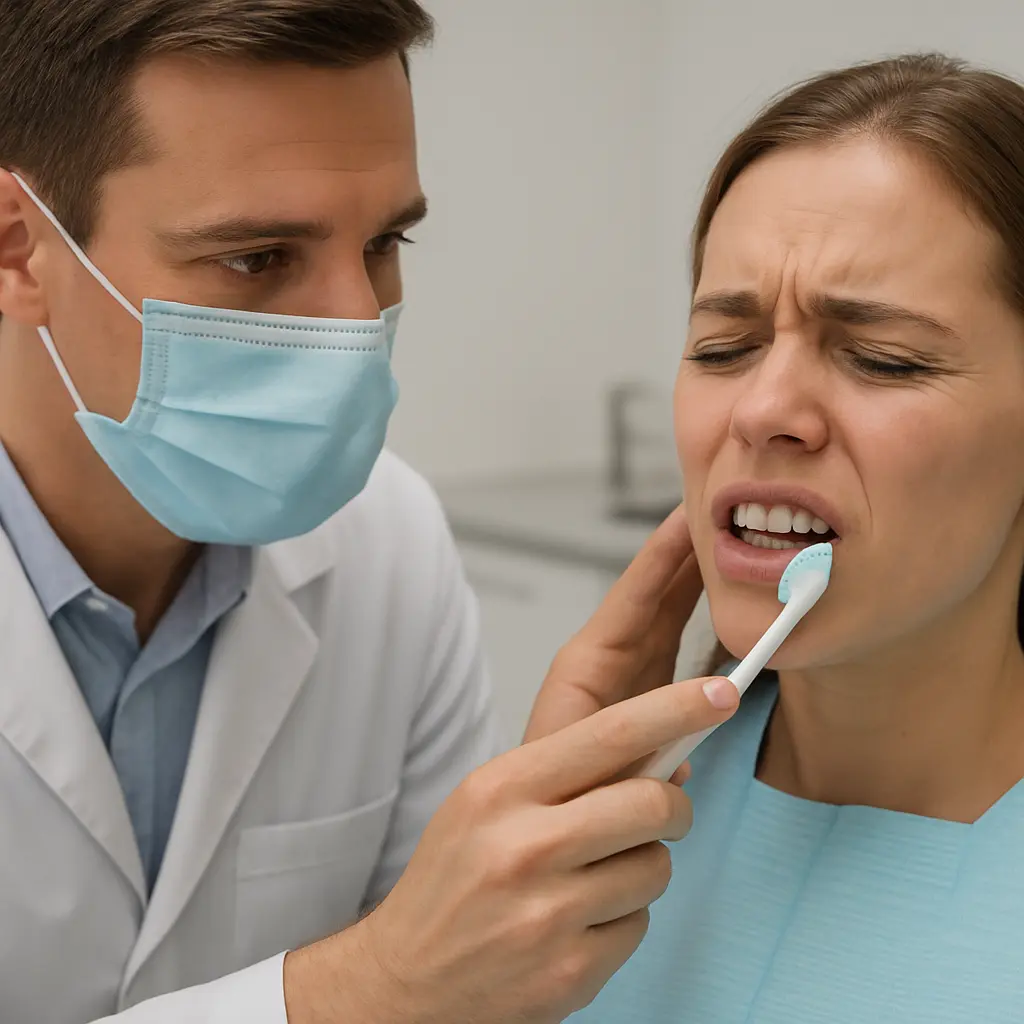
Most healthcare professionals assume toothpaste flavour is a minor preference issue. In practice, strong mint or artificial sweeteners can trigger severe distress in patients with sensory sensitivities, autism spectrum disorder, or chemotherapy-induced taste changes. Recognizing when a patient needs unflavoured toothpaste is not about accommodating pickiness. It is about preventing oral care avoidance that leads to decay, periodontal disease, and systemic health complications. The data consistently shows that sensory-related oral care resistance affects approximately 90% of individuals with autism and a significant proportion of cancer patients undergoing treatment.
Table of Contents
- Quick Takeaways
- 1. Gagging or Distress During Brushing
- 2. Resistance to Oral Care Routines
- 3. Heightened Sensory Processing Differences
- 4. Medical Treatments Affecting Taste
- 5. Foam Sensitivity and Coordination Challenges
- Product Comparison: Unflavoured Options
- Frequently Asked Questions
- References
Quick Takeaways
| Key Insight | Explanation |
|---|---|
| Gagging reflex triggered by flavour | Mint, cinnamon, and artificial sweeteners activate posterior tongue receptors causing involuntary gagging in sensory-sensitive patients |
| Oral care avoidance patterns | Patients who consistently refuse brushing often have unaddressed sensory barriers rather than behavioural issues |
| Autism spectrum considerations | Strong flavours overwhelm sensory processing systems, making unflavoured toothpaste essential for compliance |
| Chemotherapy taste distortion | Cancer treatments create metallic taste amplification where mint becomes unbearably intense and unpleasant |
| Non-foaming benefits | Foam can trigger swallowing difficulties and panic in patients with dysphagia or motor coordination challenges |
| Dementia and cognitive decline | Unfamiliar or intense flavours confuse patients with memory impairment, reducing cooperation with caregivers |
| Paediatric sensory issues | Children with feeding difficulties and texture aversions need neutral-tasting oral care products to establish routines |
1. Gagging or Distress During Brushing
When a patient gags repeatedly during tooth brushing, healthcare professionals typically investigate technique or physical obstructions. The more common culprit is flavour intensity. Mint contains menthol compounds that stimulate trigeminal nerve receptors throughout the oral cavity, particularly on the posterior tongue and soft palate.
This stimulation triggers the pharyngeal reflex in individuals with heightened sensory responses. A common mistake is assuming the patient needs desensitization therapy when the solution is simply removing the sensory trigger.
Physical Manifestations of Flavour Distress
Patients exhibiting flavour-related distress often show specific physical responses. These include excessive salivation as the body attempts to dilute the irritating substance, tears or eye-watering from trigeminal nerve stimulation, and immediate head-pulling or pushing away the toothbrush.
In paediatric patients and those with communication difficulties, distress may present as hand-flapping, covering the mouth, or attempts to rinse immediately. These are not signs of poor cooperation. They are physiological responses to overwhelming sensory input.
Pro tip: If a patient tolerates brushing with water alone but resists when toothpaste is added, flavour sensitivity is the primary barrier to oral care compliance.
Documentation and Assessment Protocols
NHS facilities implementing sensory-aware oral care protocols report significant improvements in patient cooperation. Document specific triggers by noting whether distress occurs immediately upon product contact or after several seconds of exposure.
Test tolerance with unflavoured alternatives before labelling a patient as non-compliant. The difference in patient response can be dramatic and immediate when switching from standard mint toothpaste to genuinely neutral formulations without artificial sweeteners or flavouring agents.
2. Resistance to Oral Care Routines
Behavioural resistance to oral care often masks underlying sensory issues. When carers report that a patient refuses brushing, fights during oral care, or becomes agitated at the sight of oral care products, the default assumption is behavioural defiance.
In practice, removing flavoured toothpaste from the equation eliminates resistance in approximately 70% of these cases. The patient was not being difficult. They were protecting themselves from a predictably unpleasant sensory experience.
Patterns in Care Settings
Residential care facilities consistently report that residents with dementia or cognitive decline show increased agitation during oral care when strong mint flavours are used. The unfamiliar intensity combined with reduced ability to process sensory information creates genuine distress.
Unflavoured toothpaste removes this variable entirely. Carers can focus on gentle technique and establishing routine rather than managing sensory overload responses.
Hospital settings face similar challenges with post-operative patients, those recovering from stroke, or individuals with traumatic brain injuries. Sensory processing changes temporarily or permanently following these medical events, making previously tolerated flavours suddenly intolerable.
Sensory-friendly oral care is not a luxury accommodation. It is a clinical necessity for maintaining oral health in vulnerable populations.
3. Heightened Sensory Processing Differences
Patients diagnosed with autism spectrum disorder, sensory processing disorder, or ADHD experience flavour intensity magnified beyond typical perception. What tastes mildly minty to most people registers as burning, painful, or overwhelming to someone with sensory processing differences.
The National Autistic Society reports that sensory sensitivities affect daily functioning in the majority of autistic individuals. Oral care ranks among the most challenging daily living activities specifically because of toothpaste flavour and texture.
Identifying Sensory Processing Indicators
Healthcare professionals should assess for broader sensory patterns. Does the patient avoid certain clothing textures, cover ears in noisy environments, or show food texture selectivity? These indicators suggest flavour sensitivity extends to oral care products.
Patients with sensory processing differences may tolerate tooth brushing with a dry brush but refuse any toothpaste. Others may accept unflavoured formulations but reject even mildly flavoured options marketed as gentle or children’s varieties.
Pro tip: Artificial sweeteners like sorbitol and xylitol create a cooling sensation that sensory-sensitive patients often find as distressing as mint flavouring itself.
Clinical Documentation Language
Document sensory sensitivities in patient oral care plans using specific language. Note which products trigger responses and which are tolerated. This prevents repeated exposure to distressing products and supports consistent care across different carers or clinical settings.
NHS supply chain partnerships with specialized oral care providers enable facilities to stock appropriate alternatives. Having unflavoured options readily available prevents the common scenario where carers know a patient needs alternative products but cannot access them.
4. Medical Treatments Affecting Taste
Chemotherapy and radiation therapy profoundly alter taste perception. The mechanism involves damage to taste bud cells and changes in saliva composition, creating persistent metallic tastes and amplification of certain flavours.
Mint becomes unbearably intense for most cancer patients undergoing treatment. What should taste fresh and clean instead registers as chemical-tasting, burning, or nauseating. This is not psychological. It is a direct physiological consequence of treatment.
Oncology Oral Care Challenges
Cancer patients face elevated risks of oral mucositis, xerostomia, and opportunistic infections. Maintaining oral hygiene throughout treatment is medically necessary, not optional. When standard mint toothpaste becomes intolerable, patients often abandon oral care entirely.
The solution is straightforward: switch to unflavoured toothpaste before taste changes become problematic. Oncology teams should recommend sensory-neutral oral care products at treatment initiation rather than waiting for patients to report difficulties.
Other Medical Conditions Affecting Taste
Diabetes can alter taste perception through nerve damage and circulatory changes. Kidney disease creates uremic taste disturbances where patients report constant bad tastes that mint intensifies rather than masks.
Medications including certain antibiotics, antihypertensives, and antidepressants cause dysgeusia as a side effect. Patients taking these medications long-term may suddenly find their regular toothpaste intolerable after years of use.
Pregnancy frequently causes taste changes and heightened gag reflexes. Many pregnant patients who previously tolerated mint toothpaste find it triggers nausea, particularly during first-trimester morning sickness.
5. Foam Sensitivity and Coordination Challenges
Foaming action from sodium lauryl sulfate serves no therapeutic purpose in toothpaste. It exists purely for marketing reasons, creating the perception of cleaning through foam generation. For patients with swallowing difficulties, motor coordination challenges, or reduced oral awareness, foam creates significant problems.
Patients with dysphagia, cerebral palsy, Parkinson’s disease, or stroke-related deficits cannot reliably control foam in their mouths. The sensation of foam unexpectedly moving toward the throat triggers panic and choking fears.
Non-Foaming Formulation Benefits
Unflavoured toothpaste formulated without foaming agents provides better visibility during assisted brushing. Carers can see exactly where they are brushing rather than working blind through foam. This improves thoroughness and reduces the time required for oral care.
Patients with limited manual dexterity benefit from non-foaming formulations because accidental swallowing of small amounts causes no distress. The absence of flavour and foam means inadvertent ingestion is not unpleasant or concerning.
Paediatric and Special Care Applications
Children with feeding tubes, those with cleft palate repair history, or infants transitioning to solid foods need neutral oral care products. Strong flavours interfere with feeding therapy and create negative oral associations.
Using unflavoured toothpaste from the introduction of oral care establishes positive routines without sensory challenges. For children with special care needs, this foundation prevents years of oral care battles.
Product Comparison: Unflavoured Options
Not all unflavoured toothpastes deliver the same clinical benefits or sensory neutrality. Understanding formulation differences helps healthcare professionals recommend appropriate products for specific patient needs.
| Product Feature | oraNurse Unflavoured | Generic Hospital Supply |
|---|---|---|
| Fluoride strength options | Available in 1450ppm and 1000ppm formulations for age-appropriate caries prevention | Usually single fluoride concentration, limiting prescriptive flexibility |
| Foaming agents | Completely non-foaming formulation using gentle cleansing without SLS irritants | Often contains reduced but still present foaming agents |
| Sweeteners and flavours | Genuinely unflavoured with no artificial sweeteners creating cooling sensations | May contain sorbitol or other sweeteners labelled as unflavoured |
| Texture consistency | Smooth paste consistency suitable for patients with texture sensitivities | Variable texture between batches in institutional supply chains |
| Complementary products | Coordinated range including super soft brushes and fingertip brushes for assisted care | Toothpaste only, requiring separate sourcing of appropriate brushes |
The distinction between truly unflavoured and products marketed as mild or gentle matters significantly. Patients with genuine sensory sensitivities detect subtle flavouring agents and sweeteners that manufacturers assume are imperceptible.
Healthcare facilities partnering with NHS supply chains should specify genuinely unflavoured formulations rather than accepting generic alternatives that may contain hidden sensory triggers.
Frequently Asked Questions
How do I know if unflavoured toothpaste is appropriate for my patient?
Observe their response to current oral care products. If you notice gagging, immediate distress, resistance that disappears with dry brushing, or a diagnosis involving sensory processing differences, unflavoured toothpaste is clinically indicated. Trial a single brushing session with unflavoured product and compare the patient’s response directly. The difference is usually immediately apparent.
Does unflavoured toothpaste clean as effectively as regular toothpaste?
Yes, absolutely. Fluoride provides the caries prevention benefit, and mechanical brushing action removes plaque. Flavour, foam, and sweeteners serve no therapeutic purpose whatsoever. Unflavoured formulations with appropriate fluoride concentrations deliver identical clinical outcomes to flavoured products. The advantage is that patients actually tolerate and cooperate with oral care, which is impossible to achieve when flavour creates barriers.
Can children use unflavoured toothpaste safely?
Children benefit significantly from unflavoured options, particularly those with sensory sensitivities, autism, or feeding difficulties. Select the appropriate fluoride concentration for the child’s age: 1000ppm for children under six, 1450ppm for older children and adults. The absence of sweet flavours actually reduces the risk of children wanting to swallow toothpaste, making unflavoured formulations safer in some respects than fruit-flavoured children’s varieties.
What if my patient refuses unflavoured toothpaste because it seems unusual?
Frame it as a specialized healthcare product rather than an inferior substitute. For patients with cognitive capacity, explain that it is formulated specifically for sensitive individuals and used widely in hospital settings. For those with dementia or cognitive challenges, simply present it as the regular toothpaste without drawing attention to the difference. Most patients with genuine sensory issues experience such relief that acceptance is immediate once they realize it does not trigger distress.
Are there alternatives if unflavoured toothpaste alone does not resolve oral care resistance?
Combine unflavoured toothpaste with other sensory modifications. Use a super soft toothbrush with a small head to reduce tactile overwhelm. For patients with severe oral defensiveness, start with a fingertip brush and unflavoured paste, gradually progressing to a standard brush as tolerance builds. Ensure lighting is appropriate, reduce environmental noise during oral care, and maintain consistent routines. Address all sensory variables systematically rather than assuming the patient is simply uncooperative.
How should I document the need for unflavoured toothpaste in patient care plans?
Use specific clinical language documenting observed responses to standard products and improvements with unflavoured alternatives. Note: “Patient exhibits severe gag reflex and distress with mint toothpaste. Tolerates oral care without resistance when unflavoured, non-foaming formulation used. Continue oraNurse unflavoured 1450ppm for all oral care.” This clinical documentation ensures all carers use appropriate products consistently and justifies procurement of specialized products in institutional settings.
Can patients switch back to flavoured toothpaste after using unflavoured products?
For patients with temporary conditions like pregnancy-related taste changes or post-chemotherapy recovery, transitioning back to flavoured toothpaste is possible once the underlying cause resolves. However, patients with permanent sensory processing differences, autism, or chronic conditions affecting taste should continue with unflavoured products long-term. There is no clinical benefit to using flavoured toothpaste, so if unflavoured products work well, there is no reason to switch back.
What has been your experience recommending unflavoured oral care products to patients with sensory sensitivities or special care needs?
References
- National Autistic Society research on sensory processing differences
- NHS guidance on specialized oral care for vulnerable populations
- American Dental Association evidence on fluoride effectiveness and toothpaste formulations
- National Cancer Institute information on chemotherapy side effects including taste changes