
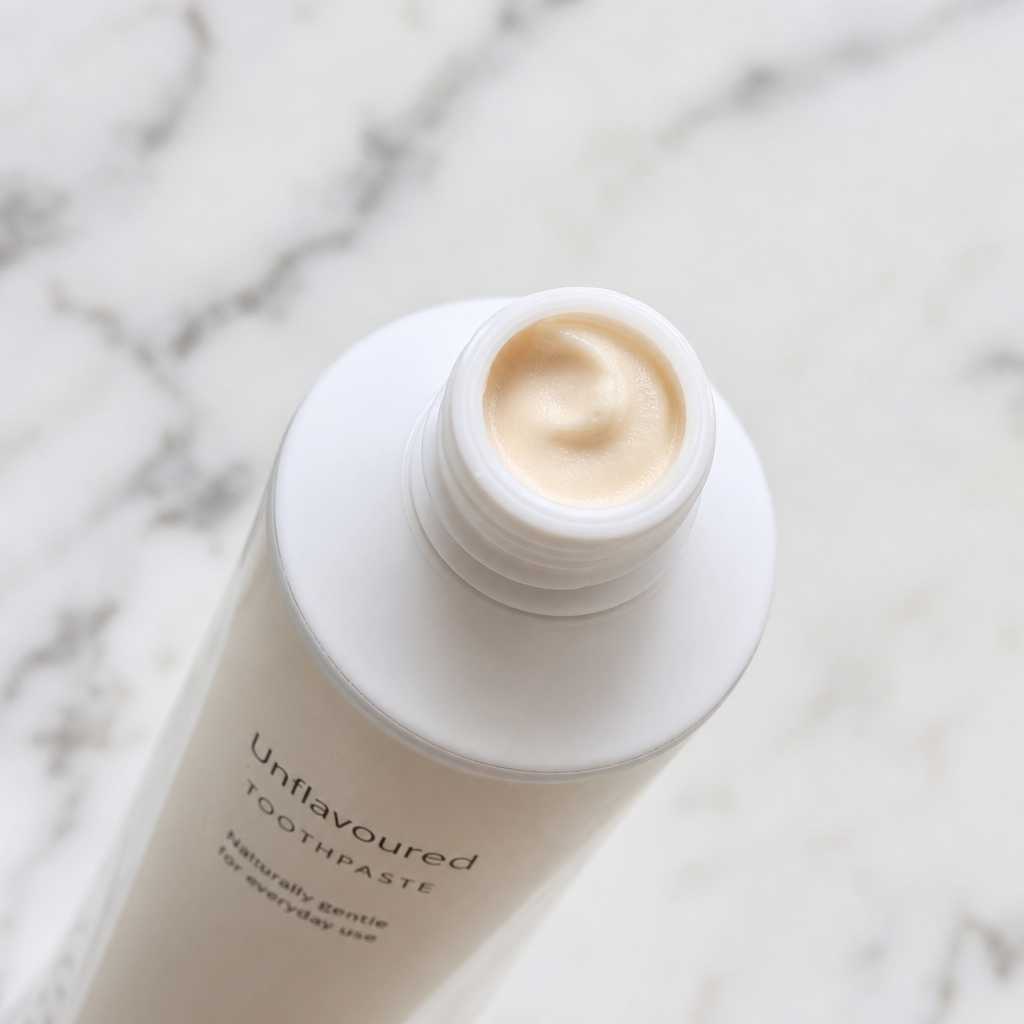
Most people have never questioned the mint in their toothpaste. It is just there, sharp and familiar, and the assumption is that everyone tolerates it fine. The reality is that for a significant number of people, that flavour is not just unpleasant. It is a genuine barrier to consistent oral care. Unflavoured toothpaste exists precisely for those individuals, and the population who benefits from it is far larger and more diverse than most dental professionals and consumers realise. If you are reading this, you probably already suspect that standard toothpaste is not working for someone in your care, or for yourself.
Table of Contents
- Quick Takeaways
- What Is Unflavoured Toothpaste?
- Who Really Needs Unflavoured Toothpaste?
- Sensory Oral Care Explained
- Non-Foaming Toothpaste and Why It Matters
- Fluoride Strength Options in Unflavoured Toothpaste
- Comparison of Toothpaste Types for Sensitive Users
- How to Use Unflavoured Toothpaste Effectively
- Frequently Asked Questions
- References
Quick Takeaways
| Key Insight | Explanation |
|---|---|
| Unflavoured toothpaste removes a common sensory trigger | Mint and artificial flavourings cause significant distress for people with sensory processing differences, autism spectrum conditions, and oral hypersensitivity. |
| Non-foaming formulas reduce gag reflex issues | SLS (sodium lauryl sulphate), the foaming agent in most toothpastes, triggers nausea and gagging in many patients, particularly those with dysphagia or post-surgical oral sensitivity. |
| Fluoride protection is not sacrificed | Unflavoured toothpaste is available in multiple fluoride strengths including 1000ppm and 1450ppm, matching standard clinical recommendations. |
| It serves healthcare settings, not just home users | NHS facilities, care homes, and paediatric dental practices routinely require unflavoured options for patients who cannot tolerate standard formulations. |
| Sensory oral care is a recognised clinical area | Dental professionals increasingly document sensory-related non-compliance as a barrier to oral health, making product selection a clinical decision, not just a consumer preference. |
| Swallowing risk makes flavour and foam especially important | For patients who cannot reliably spit, an unflavoured non-foaming formula significantly reduces the risk of aspiration and discomfort from swallowing toothpaste. |
| Toothbrush choice compounds or relieves sensory issues | Pairing unflavoured toothpaste with a super soft small-headed toothbrush or silicone fingertip brush addresses multiple sensory barriers simultaneously. |
What Is Unflavoured Toothpaste?
Unflavoured toothpaste is a dental hygiene product formulated without added flavourings, most commonly without the mint, spearmint, wintergreen, or artificial fruit flavours found in virtually every mainstream toothpaste on the market. It cleans teeth, delivers fluoride, and supports gum health in the same way standard toothpaste does. The only thing removed is the flavour component.
This sounds simple, but the formulation challenge is significant. Many toothpaste manufacturers rely on strong flavours partly to mask the taste of other ingredients, including fluoride compounds, humectants, and preservatives. A genuinely unflavoured toothpaste requires careful reformulation so that the resulting product has a neutral or near-neutral taste, not just a reduced flavour. oraNurse has approached this by creating a formula that is both unflavoured and non-foaming, addressing two major sensory barriers at once.
Unflavoured toothpaste is not the same as “mild flavour” toothpaste. Products marketed as mild still contain flavouring agents that can trigger reactions in sensitive individuals. Truly unflavoured means no flavouring compounds added at any point in the manufacturing process.
Who Really Needs Unflavoured Toothpaste?
The honest answer is: more people than the dental industry has historically acknowledged. Standard toothpaste was designed for a neurotypical adult with a fully functional swallow reflex and no sensory processing differences. That profile excludes a substantial portion of the population.
Children with Sensory Processing Differences
Children on the autism spectrum, those with sensory processing disorder, and children who are simply texture or flavour-sensitive frequently refuse to brush because standard toothpaste is intolerable to them. Research published in journals covering paediatric dentistry consistently identifies this as a primary reason for poor oral hygiene outcomes in this group. An unflavoured option removes the confrontation around toothbrushing entirely for many of these children.
Adults with Neurological Conditions
Adults living with dementia, Parkinson’s disease, stroke-related conditions, or acquired brain injuries often develop oral hypersensitivities or lose the ability to spit reliably. For this group, the flavour of the toothpaste matters less than the safety of the formula. An unflavoured, non-foaming toothpaste reduces the risk of aspiration and eliminates the distress caused by overpowering mint in a patient who cannot communicate discomfort clearly.
Cancer Patients and Post-Surgical Oral Care
Patients undergoing chemotherapy or radiotherapy to the head and neck frequently develop mucositis, a painful inflammation of the mouth lining. The menthol and flavouring compounds in standard toothpaste cause intense burning on inflamed tissue. Oncology nurses and dental hygienists working in these settings routinely need a product that causes zero additional irritation. Non-foaming unflavoured toothpaste is the only category that meets this requirement reliably.
Individuals with Food Allergies and Chemical Sensitivities
Flavouring agents in toothpaste are a documented source of contact allergies. Cinnamic aldehyde and various mint derivatives are among the most common oral allergens identified in patch testing studies. People who experience recurrent mouth ulcers, lip swelling, or perioral dermatitis should consider whether their toothpaste flavouring is the cause before pursuing more complex investigations.
Pro tip: If a patient presents with recurrent unexplained mouth ulcers and no dietary cause is identified, switching them to an unflavoured SLS-free toothpaste for 8 weeks is a straightforward first intervention that often resolves the issue completely.
Sensory Oral Care Explained
Sensory oral care is a clinical approach to dental hygiene that accounts for the full sensory experience of toothbrushing, not just the mechanical and chemical outcomes. It recognises that for a meaningful portion of the population, the taste, smell, texture, sound, and physical sensation of brushing are significant enough to cause avoidance, distress, or active refusal.
The oral cavity is one of the most densely innervated areas of the body. It contains taste receptors, tactile receptors, temperature receptors, and pain receptors in very close proximity. This makes it disproportionately reactive to sensory input compared to, say, brushing your hair or washing your hands. For people with heightened sensory sensitivity, this is not a matter of preference. It is a physiological response.
“Sensory processing difficulties are one of the most underreported barriers to oral health in both paediatric and adult care settings. Clinicians need tools that match the patient, not patients who must adapt to the tools.” – British Society of Paediatric Dentistry guidance on inclusive oral care approaches
In practice, addressing sensory oral care means evaluating the entire brushing routine. The toothpaste formula is one component, but the toothbrush matters equally. A super soft toothbrush with a small head reduces mechanical stimulation significantly compared to a standard brush. A silicone fingertip toothbrush offers even more control for caregivers managing oral hygiene for a non-compliant patient. oraNurse produces both specifically to complement their unflavoured formula as part of a complete sensory oral care approach.
Pro tip: When introducing unflavoured toothpaste to a child who has previously refused brushing, pair it with a silicone fingertip brush for the first two weeks. The reduced mechanical stimulation combined with the absence of flavour gives the child’s nervous system fewer things to reject simultaneously.

Non-Foaming Toothpaste and Why It Matters
Most people have never thought about why toothpaste foams. The answer is sodium lauryl sulphate (SLS), a surfactant added to toothpaste to create lather. SLS does contribute to cleaning, but its primary function in consumer toothpaste is to create the perception of effectiveness. We associate foam with cleaning, so manufacturers include it. The actual cleaning work is done by abrasive particles, fluoride, and the physical action of brushing.
Non-foaming toothpaste removes SLS entirely. The clinical implications of this are significant. SLS is a known irritant to oral mucosa and has been linked in multiple studies to increased frequency of aphthous ulcers (mouth ulcers) in susceptible individuals. A 1994 study in the Journal of Clinical Periodontology found that patients using SLS-free toothpaste experienced a 51 percent reduction in aphthous ulcers compared to those using SLS-containing toothpaste.
For patients who cannot spit reliably, the non-foaming quality is equally important for safety. Foam in the oral cavity is harder to manage, increases the risk of inhalation, and causes significant distress in patients with swallowing difficulties or heightened gag reflexes. In care home settings and hospital ward oral care routines, this is a practical safety consideration, not a comfort preference.
The combination of unflavoured and non-foaming in a single product is not common in the mainstream market. Most products address one barrier or the other. oraNurse’s formula addresses both simultaneously, which is precisely why it has found adoption in NHS supply chain partnerships where clinical safety and patient tolerance are the primary purchasing criteria.
Fluoride Strength Options in Unflavoured Toothpaste
One of the most persistent misconceptions about unflavoured toothpaste is that choosing it means compromising on fluoride protection. This is not accurate, but it is an understandable concern given that most specialist toothpastes in this category have historically been marketed as “gentle” with inadequate fluoride concentrations.
Current NHS and NICE guidelines recommend 1000ppm fluoride for children under 6, 1350-1450ppm for adults and older children, and 2800ppm or 5000ppm for high-risk patients.
oraNurse offers their unflavoured formula across multiple fluoride strengths specifically to address this. This means a dental practice can prescribe the same patient-tolerated formula at different fluoride concentrations depending on caries risk, without asking the patient to switch to a flavoured product at higher risk levels. For orthodontic patients, elderly patients with root surface exposure, or patients with a high sugar diet who cannot tolerate standard high-fluoride toothpastes, this is a meaningful clinical advantage.
A common mistake in healthcare settings is defaulting to low-fluoride “children’s” unflavoured options for adult patients who need sensory-friendly formulas. This under-protects patients who are already likely to have compromised oral health due to reduced brushing compliance. Always match fluoride strength to the patient’s caries risk, regardless of their sensory needs.
Comparison of Toothpaste Types for Sensitive Users
Understanding how different formulation approaches compare helps clinicians and consumers make genuinely informed choices rather than defaulting to whatever is on the pharmacy shelf. The table below compares three real product categories relevant to sensitive users.
| Feature | Standard Mint Toothpaste (e.g., mainstream brands) | Sensitive/Dry Mouth Toothpaste (e.g., bioXtra) | Unflavoured Non-Foaming Toothpaste (e.g., oraNurse) |
|---|---|---|---|
| Flavour | Strong mint or artificial flavour | Mild mint or light flavour usually present | No added flavouring |
| Contains SLS (foaming agent) | Yes, standard formulation | Some products are SLS-free, many are not | No, non-foaming formula |
| Fluoride strength range | Typically 1450ppm | Typically 1000-1450ppm | Multiple strengths including 1000ppm & 1450ppm |
| Suitable for non-spitters | No | Partial, depends on formulation | Yes, specifically formulated for this use case |
| NHS supply availability | Not typically | Limited | Yes, oraNurse is available through NHS supply chain |
| Suitable for autism and sensory processing differences | No | Partially, but flavour remains a barrier for many | Yes, specifically designed for sensory-sensitive users |
How to Use Unflavoured Toothpaste Effectively
Switching to unflavoured toothpaste does not require a different brushing technique. Standard brushing guidelines apply: twice daily, for two minutes, covering all surfaces. What changes is the experience around the technique, and for many users that change is transformative enough to increase compliance significantly.
For Caregivers Supporting Patients or Children
When you are managing someone else’s oral hygiene, unflavoured non-foaming toothpaste changes the risk profile considerably. You can use a smaller amount without worrying that foam will accumulate and cause distress or aspiration risk. The absence of a strong smell also reduces anticipatory anxiety in patients who have previously associated toothbrushing with an overwhelming sensory experience.
Use a pea-sized amount on a super soft small-headed toothbrush, or a rice-grain amount on a silicone fingertip brush for very sensitive or uncooperative patients. Tilt the patient to a semi-upright position where possible. Work systematically around the mouth rather than scrubbing back and forth, which reduces the mechanical stimulation that triggers resistance.
For Adults Managing Their Own Oral Care
Adults who switch to unflavoured toothpaste often report that brushing feels less aggressive, and that they are more willing to brush for the recommended two minutes because they are not trying to get the flavour out of their mouth faster. This is a small psychological shift with a real clinical outcome.
If you have been avoiding brushing or cutting sessions short because of mint intensity, nausea, or mouth sensitivity, the absence of flavouring removes several reasons to rush. Pair the toothpaste with a super soft brush and treat it as a reset of your entire oral hygiene routine.
Pro tip: Healthcare professionals recommending unflavoured toothpaste to patients should document this as a clinical intervention in the patient record. Sensory-related oral care adaptations are part of the patient’s care plan and should be reviewed at each appointment in the same way dietary advice is reviewed.
Frequently Asked Questions
Is unflavoured toothpaste as effective as regular toothpaste at preventing tooth decay?
Yes, provided it contains an appropriate fluoride concentration. Flavouring agents in toothpaste play no role in caries prevention. The active protective ingredient is fluoride, and unflavoured toothpaste can carry the same fluoride concentrations as any standard product. oraNurse’s unflavoured formula is available in fluoride strengths that match NHS clinical guidelines for all age groups and risk levels, so there is no compromise on protection.
Can children use unflavoured toothpaste?
Yes, and for many children it is the product that finally makes consistent brushing possible. Children with sensory processing differences, autism spectrum conditions, or strong flavour aversions are well documented as having worse oral health outcomes partly because standard toothpaste is intolerable to them. A 1000ppm unflavoured formula is appropriate from the age of three, consistent with standard paediatric dentistry guidance. Always check the specific fluoride concentration on the product and match it to the child’s age and risk profile.
What does unflavoured toothpaste actually taste like?
A well-formulated unflavoured toothpaste tastes neutral, similar to a very mild saline. It should have no discernible flavour. Some unflavoured products on the market still carry a faint chemical or bitter taste from other ingredients, which is why formulation quality matters. oraNurse’s formula is specifically developed to achieve a genuinely neutral taste rather than simply removing mint and leaving residual bitterness.
Is non-foaming toothpaste safe for people who cannot spit?
Non-foaming toothpaste is significantly safer for people who cannot spit reliably than standard foaming alternatives. Without SLS producing foam, there is less accumulation in the mouth and a reduced risk of aspiration. However, the amount of toothpaste used should still be kept to a pea-sized amount or less, and the patient should be positioned appropriately to minimise swallowing risk. Always follow the specific guidance of the patient’s clinical care team for oral hygiene procedures.
Does unflavoured toothpaste help with mouth ulcers?
There is good evidence that removing SLS from toothpaste reduces the frequency of aphthous ulcers in susceptible individuals. A key study in the Journal of Clinical Periodontology found a 51 percent reduction in ulcer occurrence with SLS-free toothpaste. Since oraNurse’s unflavoured toothpaste is also non-foaming and therefore SLS-free, it addresses both the flavouring and the surfactant that are most commonly implicated in recurrent oral irritation.
Where can I get unflavoured toothpaste on prescription or through NHS channels?
oraNurse unflavoured toothpaste is available through the NHS supply chain, making it accessible for healthcare settings including hospitals, care homes, and community dental services. Dental professionals can also discuss recommending it to patients as part of a tailored oral hygiene prescription, particularly for patients with special care needs or sensory conditions.
If you are a healthcare professional, parent, or person who has found mainstream toothpaste a barrier to proper oral care, we would like to hear what has and has not worked for you. Share your experience in the comments or reach out to us directly.
References
- NHS guidance on oral health, dental care recommendations, and special care dentistry for patients with additional needs
- NICE clinical guidelines on dental recall, caries prevention, and fluoride use in children and adults
- British Dental Association resources on inclusive dentistry, patient communication, and sensory considerations in dental care
- British Dental Journal peer-reviewed research on SLS sensitivity, oral mucosal health, and toothpaste formulation effects
- National Autistic Society guidance on sensory sensitivities and practical strategies for managing daily routines including oral hygiene