
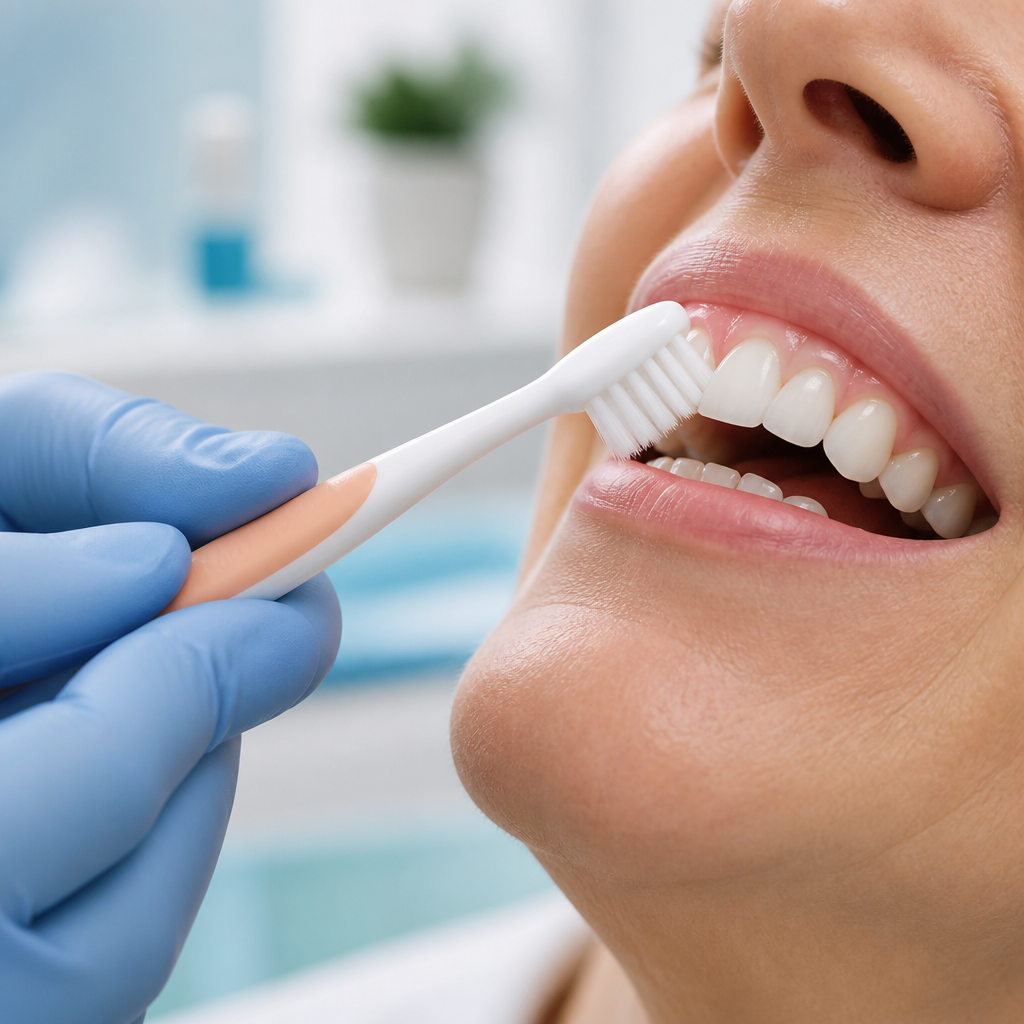
If you have type 2 diabetes and your gums bleed when you brush, that is not something to file away as normal. Oral health diabetes UK research now makes the connection impossible to ignore: gum disease and blood sugar control are locked in a two-way relationship, each making the other worse. Understanding that link, and acting on it with the right tools and habits, is one of the most practical things patients and carers can do to support long-term health outcomes. This article explains the science clearly and offers specific, actionable guidance.
Table of Contents
- Quick Takeaways
- The Bidirectional Link Between Diabetes and Gum Disease
- Why Diabetes Raises Gum Disease Risk
- Oral Complications Beyond Gum Disease
- Daily Oral Hygiene for People With Diabetes
- Choosing the Right Oral Care Products
- Guidance for Carers Supporting Someone With Diabetes
- NHS Recognition and Dental Care Access
- Frequently Asked Questions
- References
Quick Takeaways
| Key Insight | Explanation |
|---|---|
| The relationship is bidirectional | Poorly controlled diabetes increases the risk of gum disease, and severe gum disease can worsen blood sugar control, raising HbA1c levels. |
| Risk is two to three times higher | People with diabetes face a two to three times greater risk of developing periodontitis compared to those without diabetes. |
| Treating gum disease can lower HbA1c | Evidence shows that effective periodontal treatment is associated with HbA1c reductions of around 0.4% in people with diabetes. |
| NICE now includes periodontal care in diabetes treatment | In 2022, NICE included periodontal treatment as a key intervention in diabetes care, reflecting the strength of the evidence. |
| Dry mouth is a common, underreported complication | Many people with diabetes experience reduced saliva flow, which raises the risk of tooth decay and oral infections significantly. |
| Flavour sensitivity matters more than people realise | Neuropathy related to diabetes can affect taste perception, making strong-flavoured toothpastes difficult to tolerate, which discourages brushing. |
| Fluoride protection must not be compromised | People with diabetes have a higher caries risk. Using a fluoride toothpaste at the correct strength, brushed twice daily, is non-negotiable. |
The Bidirectional Link Between Diabetes and Gum Disease
The phrase “bidirectional relationship” gets used a lot in clinical literature, but it is worth being precise about what it actually means in practice. It does not just mean the two conditions happen to coexist. It means that each condition actively drives the other, and that managing one measurably improves the other.
Periodontitis, the severe form of gum disease, involves chronic inflammation and the destruction of the tissue and bone that hold teeth in place. That systemic inflammatory burden interferes directly with the body’s ability to regulate blood glucose. Meanwhile, poorly controlled blood sugar creates an environment in the mouth where disease-causing bacteria thrive and the body’s healing response is compromised.
The evidence is now strong enough that periodontal treatment is listed as a mandatory service within NHS England’s commissioning standard for dental care in people with diabetes, and NICE formally included periodontal treatment as a key intervention in diabetes care in 2022.
This is not a niche academic debate. It has direct implications for how patients with type 2 diabetes should approach their daily oral hygiene, how often they should see a dentist, and what products they use to clean their teeth.
Why Diabetes Raises Gum Disease Risk
Several mechanisms drive the increased susceptibility to gum disease in people with diabetes. Understanding them helps patients and carers make sense of clinical advice rather than simply following it blindly.
Impaired Immune Response
High blood glucose reduces the effectiveness of white blood cells, which are the body’s primary defence against the bacteria that cause gum infections. Once bacteria establish themselves below the gumline, the inflammatory response that follows is both more intense and more prolonged in people with poorly controlled diabetes.
Altered Oral Microbiome
Elevated glucose levels in saliva and gingival fluid change the balance of bacteria in the mouth, favouring the growth of pathogenic species associated with periodontitis. This is one reason why improving glycaemic control is itself a form of oral disease prevention, not just a systemic health measure.
Impaired Tissue Healing
Collagen, which forms much of the structure of gum tissue and the ligament that anchors teeth in bone, is produced more slowly and breaks down more quickly when blood sugar is poorly managed. This makes it harder for inflamed gum tissue to repair itself even after professional cleaning.
The practical consequence of all three mechanisms is the same: people with type 2 diabetes need to be more consistent about oral hygiene, not less, precisely because the biological margin for error is smaller.
Pro tip: If your dentist or hygienist has told you that your gum disease keeps returning despite treatment, ask your GP or diabetes nurse about your most recent HbA1c reading. The two issues are very likely connected.
Oral Complications Beyond Gum Disease
Gum disease gets most of the attention, and rightly so, but it is not the only oral health complication associated with type 2 diabetes. Patients and carers who understand the full picture are better placed to notice early warning signs.
Dry Mouth and Reduced Saliva Flow
Xerostomia, the clinical term for dry mouth, is a frequent complaint among people with diabetes. Saliva is the mouth’s primary self-cleaning mechanism. It neutralises acids, washes away food particles, and contains antimicrobial proteins. When saliva flow is reduced, the risk of both tooth decay and oral fungal infections rises substantially. People with poorly controlled diabetes are particularly vulnerable because high blood glucose can affect salivary gland function directly.
Increased Tooth Decay
The combination of reduced saliva, a more acidic oral environment, and the presence of more fermentable sugars in saliva means that people with diabetes face a meaningfully higher risk of dental caries, particularly root surface caries when gum recession has exposed the root. Root surfaces are less mineralised than enamel and decay far more rapidly once exposed.
Oral Candidiasis
Fungal infections of the mouth, most commonly oral thrush caused by Candida, are more common in people with diabetes. A persistently dry mouth, the use of certain medications, and compromised local immunity all contribute. Denture wearers with diabetes face a particularly elevated risk of denture-related stomatitis.
Taste and Sensory Changes
Diabetic neuropathy can affect taste perception. This is clinically significant for oral hygiene because patients who find standard toothpastes unpleasant, whether due to overpowering mint flavour or the foaming caused by sodium lauryl sulphate, are more likely to brush briefly or avoid brushing altogether. This is a real, documented barrier, not a minor preference issue.
Daily Oral Hygiene for People With Diabetes
The core principles of good oral hygiene apply to everyone, but the stakes and the specific requirements are higher for people with diabetes. A routine that feels adequate for a healthy adult may fall short for someone managing type 2 diabetes with compromised gum health.
Brushing: What Works and What Does Not
Brush for two minutes, twice a day, using a fluoride toothpaste at the correct strength. For adults and children over three years of age, that means a toothpaste containing 1450ppm fluoride. For children under three, a lower strength of 1000ppm fluoride is appropriate. Do not rinse with water after brushing. Rinsing washes away the protective fluoride film before it has had time to act on tooth mineral.
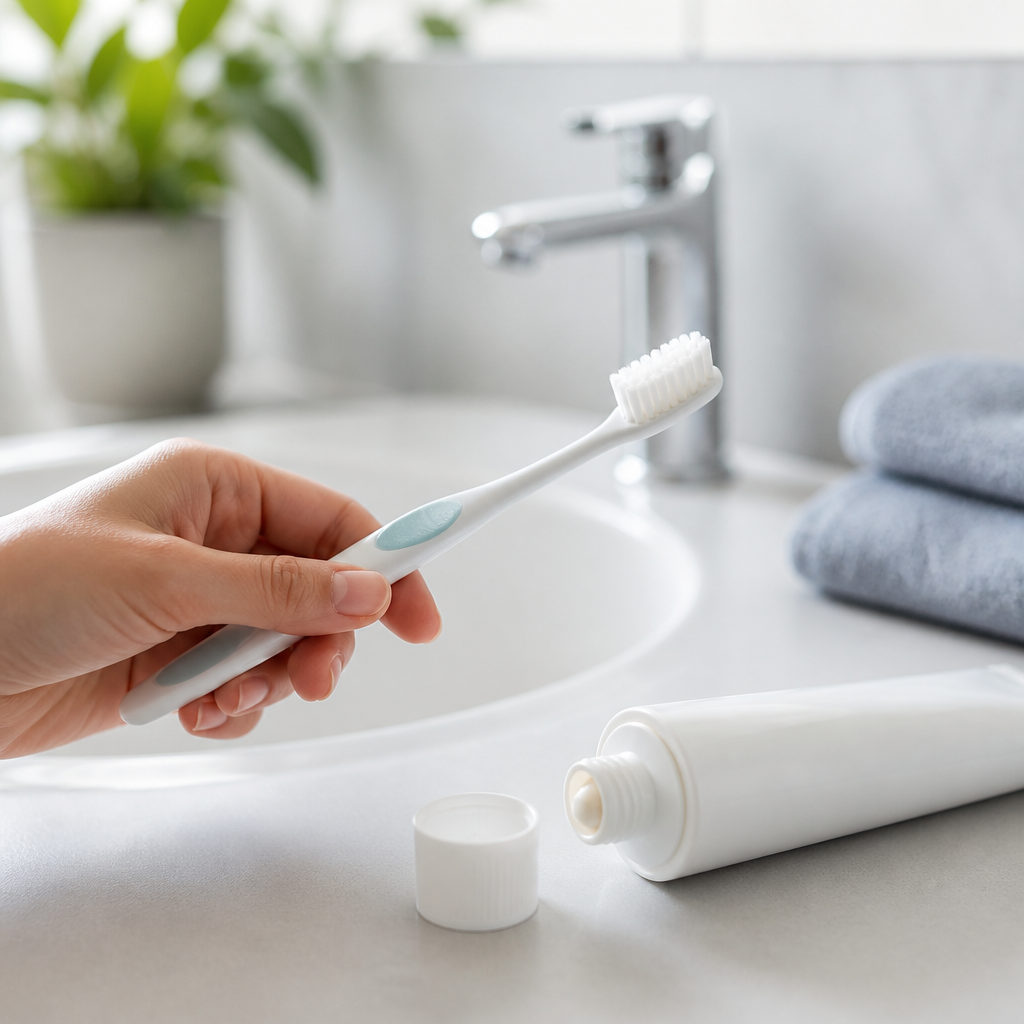
The choice of toothbrush matters more than most people realise. For patients with tender or inflamed gums, which is extremely common in diabetes-related periodontitis, a super-soft toothbrush with a small head allows effective cleaning without causing additional trauma. A toothbrush that is too firm or too large simply makes thorough cleaning of the back teeth and the gumline more difficult, and more painful, which discourages compliance.
Interdental Cleaning
Brushing alone cleans approximately 60% of tooth surfaces. The spaces between teeth, where the biofilm that triggers gum disease accumulates most readily, are only reached by interdental cleaning. Daily use of interdental brushes or floss is not optional for people with diabetes-related periodontal disease: it is a core part of disease management.
Pro tip: If conventional toothpaste makes you gag, causes nausea, or triggers a strong aversion response due to flavour sensitivity or neuropathy-related taste changes, switching to an unflavoured, non-foaming alternative removes that barrier without compromising fluoride protection. Oranurse unflavoured toothpaste is available in both 1000ppm and 1450ppm fluoride strengths and can be ordered from any pharmacy. It contains no sodium lauryl sulphate (the foaming agent) and no flavouring, which makes it significantly easier for many people with sensory sensitivities to tolerate brushing consistently.
Choosing the Right Oral Care Products
The oral care market is large and the product choices can feel overwhelming. For people managing type 2 diabetes, the decision should be guided by two practical questions: does this product deliver effective fluoride protection, and does it remove any barrier to consistent use?
Toothpaste: Fluoride Strength and Tolerability
The fluoride strength in your toothpaste is the single most important factor in caries prevention. Adults and children aged three and over need 1450ppm fluoride. A toothpaste without this protection, however pleasant it may smell or however natural its branding, is not adequate for someone at elevated caries risk. If the flavour or foaming of a standard toothpaste creates a barrier to brushing twice a day, that is a clinical problem, not a cosmetic one.
Oranurse unflavoured, non-foaming toothpaste was originally developed for children with sensory processing differences who refused to brush due to taste aversion. The same characteristics that address sensory barriers also make it particularly suitable for adults with diabetes who experience taste changes, oral tenderness, or a general aversion to strong flavours. It is available from pharmacies, NHS supply chain, and healthcare providers, not sold directly by the company but widely stocked.
Toothbrush Choice for Tender Gums
A super-soft toothbrush with a small head is the right choice for most people with active gum disease or gum sensitivity. The small head reaches the back molars without forcing the mouth uncomfortably wide, and the softer bristles clean effectively along the gumline without aggravating inflamed tissue.
A silicone fingertip toothbrush is another option, particularly useful in care settings where someone else is assisting with oral hygiene. It gives the carer better tactile feedback and is often less distressing for the person being helped than a conventional brush.
Dry Mouth Products
For patients experiencing xerostomia alongside their diabetes, a dedicated dry mouth product is warranted. Bioxtra is one option worth discussing with a dental professional for patients experiencing dry mouth. Maintaining adequate saliva flow, or compensating for reduced flow, reduces the infection risk and decay risk associated with a chronically dry oral environment.
Guidance for Carers Supporting Someone With Diabetes
Carers in both home and professional healthcare settings often take on responsibility for the oral hygiene of someone with type 2 diabetes, particularly where mobility, dexterity, or cognitive factors limit self-care. A few specific issues are worth knowing.
Why Compliance Is Harder Than It Looks
People who resist toothbrushing are not being difficult. For many people with diabetes, especially those with neuropathy or sensory changes, standard toothpastes can be actively unpleasant in ways that are difficult to articulate or dismiss. The flavour, the foam, the texture, or the sensation of brushing on tender gum tissue can each present a real barrier. Addressing those barriers with appropriate products makes a genuine difference to how often and how thoroughly teeth actually get cleaned.
Recognising Warning Signs
Carers should watch for bleeding gums during brushing, persistent bad breath that does not clear with brushing, red or swollen gum tissue, loose teeth, or complaints of a dry, uncomfortable mouth. Any of these warrant a prompt dental appointment. In someone with diabetes, gum disease can progress more quickly than in the general population, and early intervention produces better outcomes.
Positioning and Technique for Assisted Brushing
When assisting with brushing, a seated position where you can see into the mouth clearly is important. Use a small-headed brush and work systematically around the mouth, cleaning all surfaces. A non-foaming toothpaste is considerably easier to manage for both the carer and the person being helped, since there is no foam to control or spit.
NHS Recognition and Dental Care Access
The clinical case for integrating oral care into diabetes management has moved from research papers into formal NHS guidance. NHS England published a commissioning standard on dental care for people with diabetes, recognising the bidirectional link and listing periodontal treatment as a mandatory service within diabetes care pathways. In 2022, NICE formally included periodontal treatment as a key intervention in diabetes care.
In practice, this means that patients with type 2 diabetes have a strong basis for requesting more frequent dental check-ups and for raising periodontal concerns with their diabetes care team, not just their dentist. The two clinical teams should ideally be communicating. Patients should not have to act as the bridge between their GP practice, their diabetes nurse, and their dental surgery, but in reality many do.
Research using point-of-care HbA1c testing in dental settings found that a meaningful proportion of patients over 40 attending dental practices had undiagnosed non-diabetic hyperglycaemia or diabetes. This highlights that the dental chair is a genuinely useful place for opportunistic screening, and that dentists and hygienists are increasingly part of the diabetes detection and management ecosystem.
Pro tip: At your next dental appointment, tell your dentist or hygienist that you have type 2 diabetes if they do not already have this recorded. It should change the frequency of your recall appointments, the detail of the gum assessment they carry out, and the advice they give you. If it does not prompt any additional discussion, it is worth asking specifically about your periodontal health and whether more frequent hygienist visits are appropriate.
Frequently Asked Questions
Does having gum disease mean my diabetes will get worse?
Severe gum disease is associated with higher HbA1c levels and can make blood sugar harder to control. The relationship is not inevitable, and treating gum disease effectively has been shown to produce measurable improvements in glycaemic control. Managing your oral health is therefore a legitimate part of managing your diabetes, not a separate concern.
How often should someone with type 2 diabetes see a dentist?
For most people with well-controlled diabetes and healthy gums, the standard six-monthly check-up interval may be adequate. For those with active gum disease, poorly controlled blood sugar, or a history of oral complications, more frequent appointments, sometimes every three to four months, are more appropriate. Your dentist should advise based on your individual periodontal status, but it is worth raising this specifically rather than waiting for them to bring it up.
Can the toothpaste I use make a real difference if I have diabetes?
Yes, in two ways. First, the fluoride strength in your toothpaste directly affects your risk of tooth decay, and people with diabetes face a higher caries risk than the general population. Using the correct fluoride strength (1450ppm for adults and children over three) is essential. Second, if the taste or texture of your current toothpaste makes you reluctant to brush properly, switching to an unflavoured, non-foaming formula removes that barrier and makes consistent twice-daily brushing more achievable.
What is the connection between dry mouth and diabetes?
Poorly controlled diabetes can reduce saliva flow, leading to xerostomia. Without adequate saliva, the mouth becomes more acidic, bacteria multiply more freely, and the risk of both tooth decay and oral infections rises significantly. Managing dry mouth with appropriate products, staying well hydrated, and discussing the issue with your dental team is an important part of oral health management for people with diabetes.
Is gum disease in people with diabetes treated differently?
The core treatment, professional cleaning to remove tartar and plaque from below the gumline, is the same. However, the management plan needs to account for the systemic connection. Dentists treating patients with diabetes should liaise with the medical team where appropriate, and patients should expect more frequent monitoring and maintenance appointments. Improving glycaemic control in parallel with periodontal treatment produces better outcomes than treating the gum disease in isolation.
Are there oral health products specifically suited to people with diabetes?
No product is labelled exclusively for diabetes, but several characteristics matter more for this group. An unflavoured, non-foaming toothpaste at 1450ppm fluoride addresses both the caries risk and the flavour sensitivity that can deter regular brushing. A super-soft, small-headed toothbrush is better suited to tender or inflamed gums than a standard brush. For dry mouth, specialist saliva-replacement or dry mouth relief products can support comfort and reduce infection risk. Oranurse products are available from pharmacies and through NHS supply, without needing to purchase directly from the manufacturer.
What should a carer do if the person they support refuses to have their teeth brushed?
Refusal is usually a response to discomfort or aversion, not obstinacy. Try an unflavoured, non-foaming toothpaste to remove the flavour and texture triggers, and use a super-soft brush or silicone fingertip brush to reduce physical discomfort. Changing the time of day, the position used, or the person assisting can also help. If resistance persists, raising it with the person’s dental team is worthwhile, as there may be additional clinical or sensory factors that need addressing.
References
- NHS England commissioning standard on dental care for people with diabetes, including the bidirectional link between periodontitis and diabetes
- Evidence on the relationship between periodontitis and diabetes, including HbA1c changes following periodontal treatment, published in the British Dental Journal
- Overview of gum disease prevalence in UK adults and its bidirectional relationship with diabetes, from the Journal of Diabetes Nursing
- Review of periodontal and systemic disease connections, including the role of NHS commissioning and NICE guidance in diabetes care