
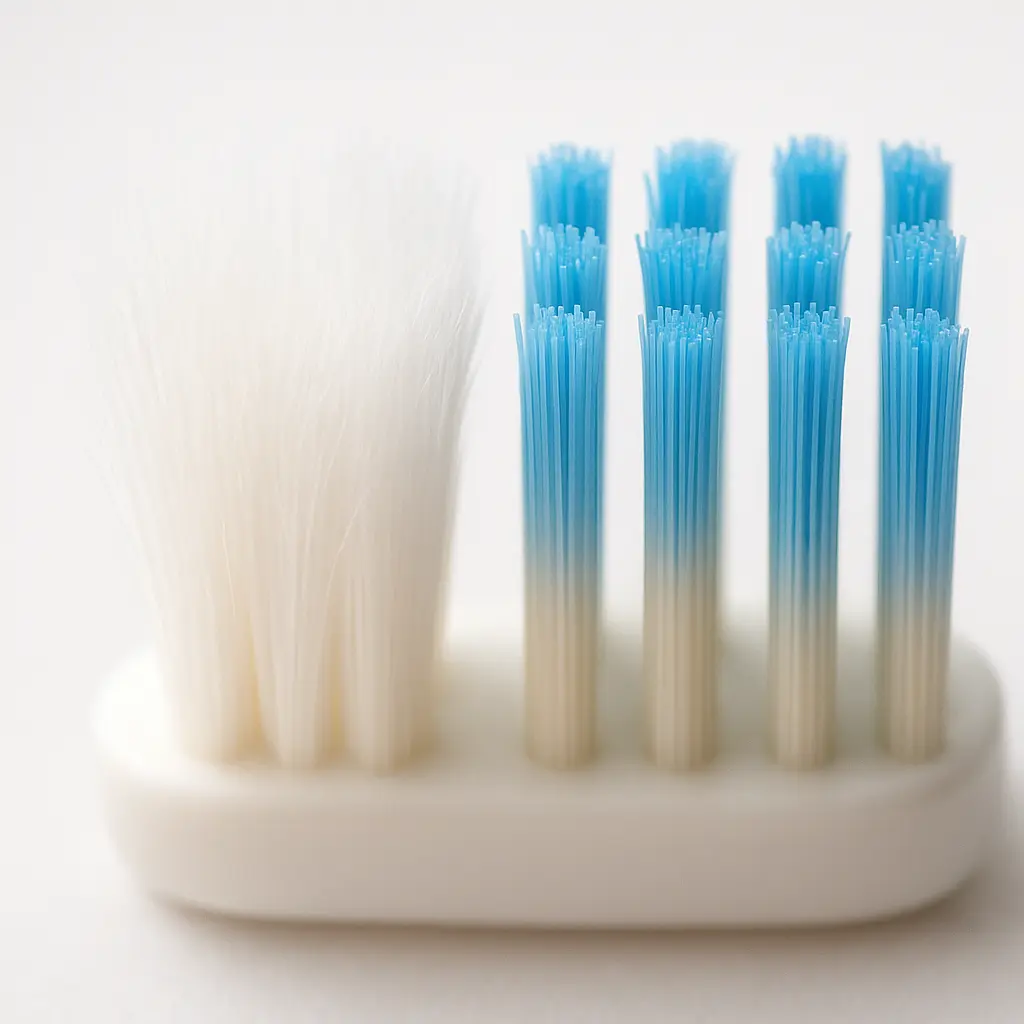
Bleeding gums, recession, and sensitivity during brushing are not badges of effort. They are signs of damage. The common belief that medium or firm bristles clean better has pushed millions toward progressive gum trauma, while the solution sits on the same shelf: a super soft toothbrush designed for tender gums. The British Society of Periodontology reports that over 45% of UK adults show signs of gum disease, much of it preventable with proper tool selection. If you work in healthcare or manage oral care for vulnerable populations, understanding bristle hardness is not optional.
Table of Contents
- Quick Takeaways
- What Makes Bristles Super Soft
- The Clinical Case for Gentle Brushing
- Who Needs a Super Soft Toothbrush
- Choosing the Right Super Soft Toothbrush
- Comparing Toothbrush Bristle Types
- Practical Brushing Techniques for Tender Gums
- Common Mistakes in Oral Care for Sensitive Mouths
- Frequently Asked Questions
- References
Quick Takeaways
| Key Insight | Explanation |
|---|---|
| Super soft bristles prevent gum recession | Firm bristles abrade gingival tissue, causing permanent attachment loss that cannot regenerate |
| Plaque removal depends on technique, not hardness | Studies show no cleaning advantage for medium or firm bristles when proper brushing technique is used |
| Tender gums require small brush heads | Large heads cannot access posterior areas without applying excessive pressure to anterior gums |
| Non-foaming toothpaste enhances control | Foam obscures visual feedback and encourages rushed brushing, increasing pressure |
| Healthcare settings need specialized brushes | Patients with cognitive, sensory, or motor impairments require ultra-gentle tools to prevent caregiver-induced trauma |
| Bristle diameter matters more than marketing claims | Look for 0.15mm diameter or finer, verified by manufacturer specification rather than packaging labels |
| Replacement frequency increases with super soft bristles | Finer filaments wear faster but remain safer than using worn medium bristles |
What Makes Bristles Super Soft
Bristle hardness is determined by filament diameter and material composition. Standard soft bristles measure 0.18-0.20mm in diameter. Super soft toothbrushes use filaments between 0.10-0.15mm, creating significantly less surface pressure during brushing. The physics are straightforward: force divided by surface area equals pressure, and thinner filaments distribute force across more contact points.
Material composition plays a secondary role. Most modern toothbrushes use nylon 6.12 or DuPont Tynex, both inert and durable. The critical specification is the shore hardness measurement, but manufacturers rarely publish this data. In practice, diameter remains the most reliable indicator available to clinicians and consumers.
Pro tip: Inspect bristle tips under magnification before recommending a toothbrush to patients. Blunt-cut ends cause more trauma than rounded, polished tips regardless of diameter.
The Clinical Case for Gentle Brushing
The research is unambiguous. A 2019 systematic review in the Journal of Clinical Periodontology examined 29 studies comparing bristle hardness and found no statistically significant difference in plaque removal between soft and medium bristles. However, gingival abrasion occurred 3.7 times more frequently with medium bristles, and enamel wear increased by 42%.
Gum recession is permanent. Once the attached gingiva retreats beyond the mucogingival junction, surgical grafting becomes the only corrective option. This is not theoretical risk management. Clinical observation shows recession patterns that map directly to brushing habits, particularly in canine and premolar regions where patients apply excessive lateral force.
The American Dental Association states that soft-bristled brushes are sufficient for removing plaque and debris, while causing less damage to teeth and gums compared to medium or hard bristles.
For patients with existing tender gums, inflammation, or recession, switching to a super soft toothbrush produces measurable improvement within two weeks. Bleeding on probing decreases, patient compliance increases, and the negative feedback loop of pain-avoidance-plaque-inflammation breaks.
Who Needs a Super Soft Toothbrush
Everyone benefits from reduced mechanical trauma, but specific populations require super soft bristles as standard of care. Oncology patients undergoing chemotherapy or radiation develop severe mucositis. Their oral mucosa becomes so fragile that even standard soft bristles cause ulceration. The same applies to patients on anticoagulation therapy, where minor trauma produces disproportionate bleeding.
Patients with Sensory Processing Differences
Individuals with autism spectrum conditions, ADHD, or sensory processing disorder often experience toothbrushing as painful or overwhelming. The tactile input from medium bristles triggers avoidance behaviors, creating a care gap. Pairing a super soft toothbrush with unflavoured, non-foaming toothpaste removes two sensory barriers simultaneously.
This is not niche practice. NHS England estimates that 1 in 7 people have some form of sensory processing difficulty. In dental practices serving mixed populations, having super soft options changes who can access proper oral hygiene.
Geriatric and Long-Term Care Settings
Care home residents face compounding risk factors: age-related gingival thinning, medication-induced xerostomia, and dependency on caregivers for oral hygiene. When a caregiver brushes someone else’s teeth, pressure calibration becomes difficult. A super soft brush provides a safety margin that prevents trauma even when technique is imperfect.
The same logic applies to pediatric care. Children cannot articulate appropriate pressure, and parent-assisted brushing in the 0-3 age range benefits from ultra-gentle tools.
Choosing the Right Super Soft Toothbrush
Bristle softness is necessary but insufficient. Head size determines whether the brush can be positioned correctly without forcing adjacent tissues. Compact heads, typically 15-20mm in length, allow access to posterior surfaces and lingual aspects of mandibular incisors without levering against gingival margins.
The oraNurse super soft toothbrush uses a small head design specifically to address this. Large heads marketed for “efficiency” force users to apply pressure to compensate for poor access. This defeats the purpose of soft bristles.
Handle Design and Grip
Handle diameter and texture affect pressure control. Thin handles with pronounced grips encourage pinch grips and fine motor control. Thick, rubberized handles promote power grips that increase force transmission. For patients with arthritis or reduced dexterity, modified handles with larger diameters may be necessary, but this requires concurrent training on pressure awareness.
Pro tip: For healthcare facilities purchasing through NHS supply chains, specify bristle diameter and head dimensions in procurement requirements rather than relying on marketing terms like “gentle” or “sensitive.”
Comparing Toothbrush Bristle Types
| Bristle Type | Appropriate Use Cases | Risk Profile |
|---|---|---|
| Super Soft (0.10-0.15mm) | Tender gums, mucositis, sensory sensitivities, caregiver-assisted brushing, post-surgical care | Minimal abrasion risk, requires more frequent replacement, may feel “ineffective” to users accustomed to firmer bristles |
| Soft (0.18-0.20mm) | Healthy gingiva, patients with good technique, general adult population | Low risk when used correctly, moderate risk with excessive pressure or improper technique |
| Medium/Firm (0.22mm+) | No evidence-based applications for oral hygiene, potentially useful for denture cleaning only | High risk for gum recession, enamel wear, and root surface abrasion even with correct technique |
Practical Brushing Techniques for Tender Gums
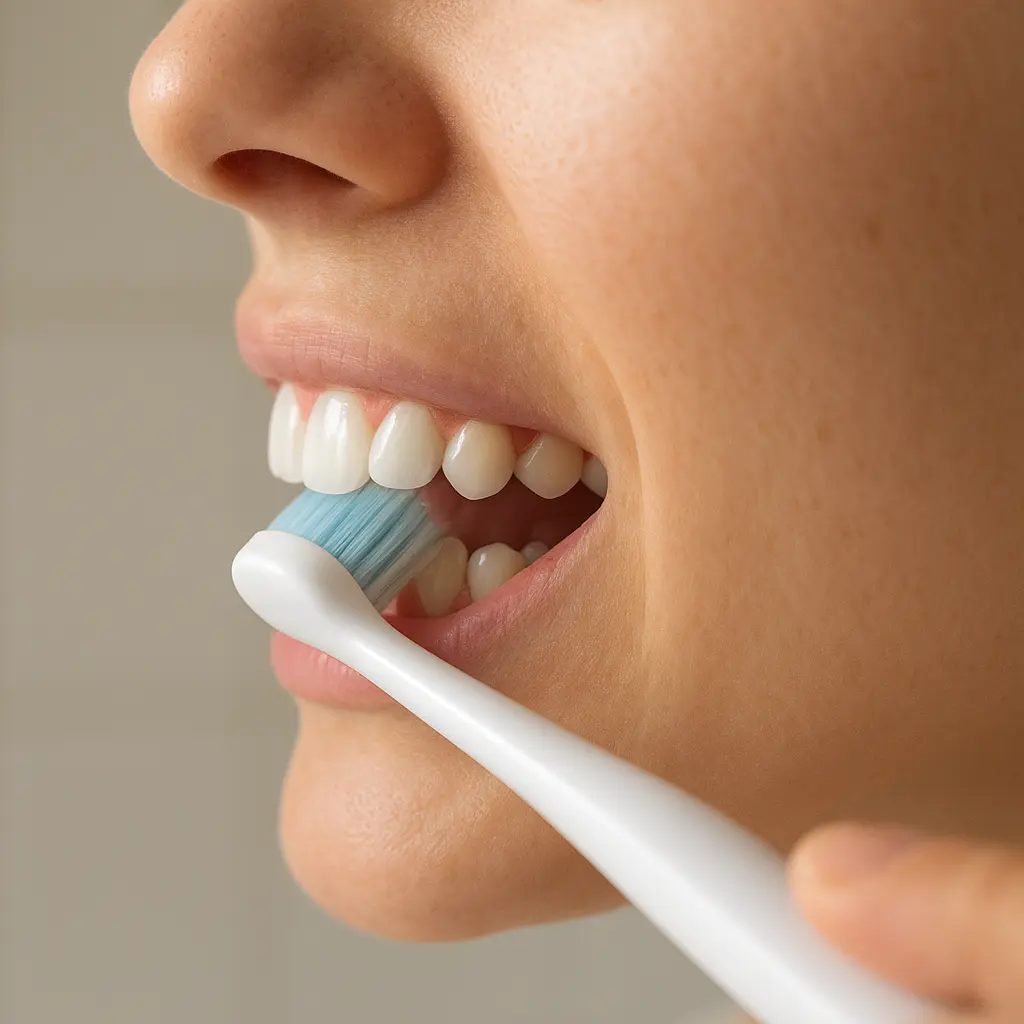
The modified Bass technique remains the gold standard for gentle oral care. Position the brush at a 45-degree angle to the gingival margin, using short horizontal or circular strokes with 1-2mm amplitude. The motion should come from the wrist, not the shoulder or elbow. Pressure should be light enough that bristles barely blanch.
A common error is compensating for reduced bristle firmness by increasing pressure or brushing duration. This negates the protective benefit. Two minutes with proper technique and a super soft brush outperforms five minutes of aggressive scrubbing with any bristle type.
Sequencing for Complete Coverage
Divide the mouth into six segments: maxillary right, maxillary anterior, maxillary left, mandibular right, mandibular anterior, mandibular left. Spend 20 seconds per segment, brushing buccal, lingual, and occlusal surfaces systematically. This prevents the rushed anterior focus that leaves posterior plaque undisturbed.
For patients with cognitive impairments or attention difficulties, visual timers and segmented mirrors help maintain coverage without increasing pressure.
Common Mistakes in Oral Care for Sensitive Mouths
The first mistake is treating sensitivity as a temporary condition requiring only short-term accommodation. Sensitive mouth care is a permanent requirement for many patients, and protocols must reflect this. Switching back to medium bristles after inflammation resolves invites recurrence.
The second mistake is isolating the toothbrush variable. Bristle hardness interacts with toothpaste formulation, brushing frequency, and systemic health factors. Patients using whitening toothpastes with high abrasivity (RDA values above 100) while brushing with even soft bristles create cumulative wear. The oraNurse unflavoured toothpaste range addresses this by providing low-abrasion formulations that work synergistically with super soft bristles.
Overlooking Interdental Cleaning
A super soft toothbrush cannot access interdental spaces. This is not a limitation of the brush, it is a limitation of brush anatomy. Interdental brushes or floss remain necessary, but the same gentleness principle applies. Use the smallest interdental brush that fits without force, and avoid repeated back-and-forth motions that traumatize papillae.
For patients with severe tenderness, water flossers provide an alternative, though clinical evidence shows they do not remove attached plaque as effectively as mechanical methods.
Frequently Asked Questions
How often should I replace a super soft toothbrush?
Replace every 6-8 weeks or when bristles show splaying. Super soft filaments wear faster than standard soft bristles, but worn super soft bristles still cause less damage than new medium bristles. Set a calendar reminder rather than relying on visual inspection, as splaying becomes obvious only after damage potential increases.
Can super soft toothbrushes remove all plaque?
Yes, when used with correct technique. Plaque is a biofilm with relatively low adhesion strength. The mechanical action of bristles disrupts it regardless of bristle hardness. The data consistently shows that technique and coverage matter far more than bristle firmness for plaque removal efficacy.
Will my teeth feel as clean with super soft bristles?
The sensation of “clean” often comes from gingival abrasion, not plaque removal. Patients accustomed to firmer brushes report an adjustment period of 5-7 days. After this, most prefer the absence of post-brushing sensitivity. Pairing with non-foaming toothpaste helps because users can see plaque removal rather than relying on tactile feedback.
Are super soft toothbrushes suitable for children?
Absolutely. Pediatric dentistry guidelines recommend soft to super soft bristles for all children. Primary teeth have thinner enamel, and developing gingiva is more susceptible to recession. Small head sizes designed for adult posterior access often work well for pediatric patients aged 5-12.
Do super soft bristles work with electric toothbrushes?
Electric toothbrush heads labeled “sensitive” or “extra soft” use similar bristle diameters to manual super soft brushes. The oscillating or sonic action provides the mechanical disruption, reducing the pressure users need to apply. However, monitor pressure sensors are essential, as the motor torque can transmit excessive force through soft bristles if users push too hard.
How do I convince patients to switch from medium to super soft bristles?
Show them their recession and correlate it with their current brush. Demonstrate proper pressure with a super soft brush on your own hand, showing how little force is needed. Provide a sample brush rather than a recommendation, removing the purchase barrier to trial. In practice, compliance increases when patients experience reduced bleeding and sensitivity within the first week.
What toothpaste works best with super soft toothbrushes for tender gums?
Low-abrasion, unflavoured, and non-foaming formulations optimize outcomes. Strong mint flavors can burn compromised oral mucosa, and foam reduces visibility during brushing. The oraNurse toothpaste range provides options in 1450ppm and 1000ppm fluoride concentrations, allowing clinicians to match fluoride levels to caries risk while maintaining gentle formulation.
What has your experience been with super soft toothbrushes, and have you noticed improvements in gum health after making the switch?
References
- American Dental Association guidance on toothbrush selection and oral hygiene
- National Center for Biotechnology Information research database on periodontal health
- National Health Service resources on dental care and gum disease prevention
- British Society of Periodontology clinical guidelines for gingival health