
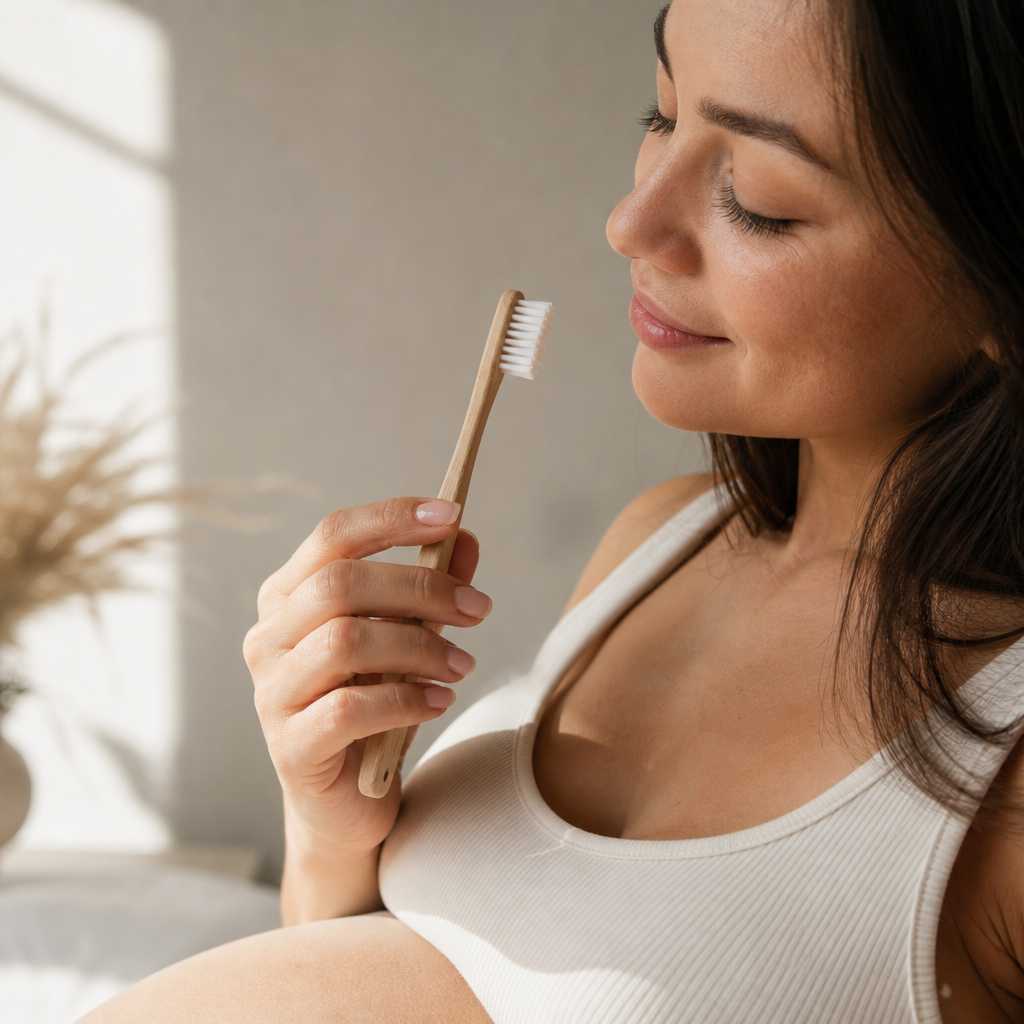
Up to 70% of pregnant women develop some form of gum disease during pregnancy, according to the British Dental Association. Yet most standard toothpastes on UK shelves are formulated with strong mint flavours and foaming agents that can trigger nausea and gum irritation at precisely the time when consistent brushing matters most. Oral care during pregnancy is not just about fresh breath. Untreated gum inflammation during pregnancy has been linked to preterm birth and low birth weight in multiple peer-reviewed studies. If your usual toothpaste is making you gag or your gums are bleeding every morning, the product itself may be working against you.
Table of Contents
- Quick Takeaways
- How Pregnancy Changes Your Mouth
- Why Standard Toothpaste Causes Problems in Pregnancy
- What Gentler Products Actually Do Differently
- Choosing the Right Fluoride Strength During Pregnancy
- Comparison of Oral Care Approaches During Pregnancy
- Practical Brushing Strategies for Sensitive Pregnancy Gums
- Frequently Asked Questions
- References
Quick Takeaways
| Key Insight | Explanation |
|---|---|
| Hormonal changes directly affect gum tissue | Rising progesterone and oestrogen levels increase blood flow to the gums, making them swell, bleed, and react more strongly to plaque than usual. |
| Mint and SLS can worsen nausea and sensitivity | Sodium lauryl sulphate (SLS) is the foaming agent in most toothpastes. Combined with strong mint flavour, it is a common trigger for pregnancy-related gagging and mouth ulcers. |
| Unflavoured, non-foaming toothpaste is a clinical solution, not a niche trend | Products like oraNurse unflavoured toothpaste are used in NHS settings and recommended by dental professionals for patients who cannot tolerate standard formulations. |
| Fluoride remains safe and essential during pregnancy | The NHS recommends fluoride toothpaste for all adults, including pregnant women. The key is choosing a formulation that does not cause adverse reactions before fluoride can do its job. |
| Toothbrush head size and bristle softness matter more during pregnancy | Swollen gums combined with a large, firm brush head increases trauma to tissue. Super soft, small-headed brushes reduce bleeding and allow thorough cleaning without aggravating sensitivity. |
| Pregnancy gingivitis peaks in the second trimester | Most cases intensify between weeks 14 and 20. Starting a gentler oral care routine early, ideally at the first trimester, reduces the severity of inflammation by mid-pregnancy. |
| Dental appointments are safe and necessary during pregnancy | NHS dental treatment is free during pregnancy and for 12 months after the baby is born. Skipping check-ups during this period is one of the most common and costly mistakes. |
How Pregnancy Changes Your Mouth
Pregnancy does not just affect your bump. The hormonal environment of pregnancy, specifically elevated progesterone and oestrogen, fundamentally changes the way your gum tissue responds to the bacteria in dental plaque. In practice, this means gums that were perfectly healthy before conception can become inflamed, tender, and prone to bleeding within weeks of a positive pregnancy test.
The condition is called pregnancy gingivitis, and it affects somewhere between 60% and 75% of pregnant women in the UK. The mechanism is well understood. Higher progesterone levels increase the permeability of blood vessels in the gum tissue, allowing more immune cells to enter but also causing swelling and heightened sensitivity to even small amounts of plaque. The gums are not damaged by pregnancy itself. They are damaged by plaque that the inflamed tissue can no longer tolerate at its usual threshold.
The Link Between Gum Disease and Pregnancy Outcomes
The data consistently shows a significant association between periodontitis during pregnancy and adverse birth outcomes. A 2020 systematic review published in the Journal of Clinical Periodontology found that women with moderate to severe gum disease were at greater risk of preterm birth and delivering low-birth-weight babies. The proposed mechanism involves inflammatory mediators, specifically prostaglandins, which at high concentrations can stimulate uterine contractions.
This is not a reason for alarm. It is a reason to act early, before inflammation progresses from gingivitis to periodontitis. Most cases of pregnancy gingivitis are entirely preventable with consistent, effective, and comfortable daily oral hygiene.
Acid Erosion from Morning Sickness
Morning sickness adds another layer of risk. Stomach acid is highly erosive to tooth enamel. A common mistake is brushing immediately after vomiting. Brushing at this moment scrubs softened enamel off the tooth surface. The correct advice, supported by the Oral Health Foundation, is to rinse with plain water or a fluoride mouthwash and wait at least 30 minutes before brushing. During this window, using a gentle, unflavoured toothpaste when you do brush reduces the combined trauma to already-compromised enamel and sensitive gums.

Why Standard Toothpaste Causes Problems in Pregnancy
Most supermarket toothpastes are formulated for the average, non-pregnant adult mouth. They contain sodium lauryl sulphate (SLS), a surfactant that creates the foaming action people associate with cleaning. SLS is also an irritant. For individuals with healthy, un-sensitised gum tissue, SLS-related irritation is negligible. During pregnancy, when gum tissue is already inflamed and reactive, SLS can tip the balance from manageable sensitivity to genuine pain and ulceration.
Peppermint oil, spearmint, and other strong flavour compounds are another issue. These are not just flavouring agents. They are biologically active compounds that can stimulate the gag reflex, particularly in the first trimester when nausea peaks. Many pregnant women report that the smell alone of their usual toothpaste is enough to cause retching. The result is that they brush less thoroughly, for shorter periods, or skip brushing altogether in the morning. That is when the damage to gum health accumulates.
Pro tip: If your usual toothpaste is causing morning nausea, switch to an unflavoured non-foaming option like oraNurse unflavoured toothpaste before you reach the point of avoiding brushing entirely. Avoiding brushing is always the worse outcome for both you and your baby.
Why Whitening Toothpastes Are the Wrong Choice During Pregnancy
Whitening toothpastes typically contain abrasive particles and, in some cases, peroxide compounds. On inflamed pregnancy gums, abrasive particles cause micro-trauma with every brushing stroke. The NHS advises against tooth whitening treatments during pregnancy. The same caution applies to abrasive whitening toothpastes when gum tissue is compromised. This is not a permanent restriction, but during pregnancy it is sensible to prioritise gum health over cosmetic outcomes.
What Gentler Products Actually Do Differently
Gentler oral care products are not simply weaker or less effective. They are differently formulated to deliver the therapeutic benefit, fluoride protection and plaque removal, without the irritant compounds that cause problems in sensitive or inflamed mouths.
oraNurse unflavoured toothpaste is a clear example of this principle applied properly. It contains no SLS, no flavouring agents, and no colourants. It is available in multiple fluoride strengths, including 1,000 ppm fluoride (suitable for young children and those advised a lower-dose formulation) and 1,450 ppm fluoride, which is the standard adult strength recommended by the NHS. The absence of foaming means users can brush for longer without the reflex urge to spit, which improves fluoride contact time with the teeth and gums.
Super Soft Toothbrushes with Small Heads
The mechanical side of oral hygiene matters just as much as the toothpaste formula during pregnancy. A standard toothbrush head is typically large enough to cover multiple teeth at once, which seems efficient but creates problems when gum tissue is swollen and inflamed. The corners and edges of a large brush head press directly into interdental tissue, causing micro-tears and bleeding that actually worsen the inflammatory response.
oraNurse super soft toothbrushes are specifically designed with a small head and ultra-fine bristles. In practice, this means you can clean precisely along the gum margin without the bristle tips digging into swollen tissue. The reduced trauma to gum tissue allows the immune response to calm rather than continually re-inflaming. The unflavoured toothpaste plus soft brush combination as a coordinated system, which is what oraNurse provides, gives pregnant women and their dental practitioners a consistent protocol rather than a mix-and-match approach.
Pro tip: Replace your toothbrush more frequently during pregnancy. Inflamed gums bleed onto bristles, and bacterial colonisation of worn bristles increases. At minimum, replace every four weeks rather than the standard two to three months.

“>
Choosing the Right Fluoride Strength During Pregnancy
There is persistent confusion among pregnant women about whether fluoride is safe. The short answer is: yes, at standard toothpaste concentrations, fluoride is safe during pregnancy. Fluoride in toothpaste is used topically, meaning it acts on the surface of the tooth. Systemic absorption from toothpaste is minimal when you spit rather than swallow. The NHS explicitly states that fluoride toothpaste should be used throughout pregnancy.
The more nuanced question is which fluoride strength is appropriate. For most pregnant adults with no additional risk factors, 1,450 ppm fluoride (the standard UK adult formulation) is correct. For women with a high caries risk, such as those consuming frequent sugary snacks due to pregnancy cravings or those experiencing acid erosion from vomiting, a higher-strength fluoride may be prescribed by a dentist. oraNurse offers formulations across this range, making it straightforward for dental professionals to recommend the right strength while keeping the patient on a product they can tolerate.
What Happens If You Drop Fluoride Entirely
Some pregnant women, concerned about any chemical exposure, switch to fluoride-free toothpastes or natural alternatives during pregnancy. This is one of the clearest cases where caution produces a worse outcome. Without fluoride, remineralisation of enamel softened by morning sickness acid is significantly reduced. Cavity risk increases. And cavities during pregnancy are associated with transmission of caries-causing bacteria to the infant after birth. Fluoride is not something to eliminate. It is something to deliver in a formulation that the pregnant mouth can tolerate comfortably.
Comparison of Oral Care Approaches During Pregnancy
| Approach | Key Features | Suitability During Pregnancy |
|---|---|---|
| Standard flavoured SLS toothpaste (most supermarket brands) | Contains SLS, strong mint flavour, standard abrasive formula. 1,450 ppm fluoride typical. Produces foam. | Poor for many pregnant women. SLS and strong flavour commonly trigger nausea and gum irritation. Increased likelihood of brushing avoidance. |
| oraNurse unflavoured non-foaming toothpaste with super soft small-head brush | No SLS, no flavouring, no colourants. Available in multiple fluoride strengths. Paired with ultra-soft bristle, small-head toothbrush. NHS supply chain partner. | Excellent. Specifically suited to sensitive pregnancy gums, nausea-prone patients, and those who need longer comfortable brushing time. Recommended by dental professionals in NHS settings. |
| Natural or fluoride-free toothpaste alternatives (e.g., charcoal or herbal pastes) | No SLS in most formulations, often milder flavour. No fluoride or very low fluoride. May contain abrasive charcoal or clay particles. | Poor. Absence of fluoride increases cavity and enamel erosion risk during pregnancy. Some abrasive particles worsen enamel softened by morning sickness acid. Not clinically recommended. |
Practical Brushing Strategies for Sensitive Pregnancy Gums
Strategy without the right tools is only half the answer. Equally, tools without technique will not protect your oral health during pregnancy. The combination of the right formulation, the right brush, and the right method is where the real difference is made.
The modified Bass technique is the most widely recommended method for patients with gum sensitivity. Place the bristles at a 45-degree angle to the gum margin, use short horizontal or circular strokes, and spend two full minutes on each session. With a small-headed super soft brush, this technique can be applied precisely without the brush head impinging on inflamed tissue across a wider area than necessary.
Timing Brushing Around Morning Sickness
In the first trimester especially, timing matters. Brushing first thing in the morning before eating is the standard recommendation, but for women with severe morning sickness, this window may coincide with peak nausea. A practical alternative is to rinse with water immediately on waking, eat a small plain snack to settle the stomach, wait 30 to 45 minutes, and then brush. This is not ideal from a theoretical oral hygiene standpoint, but it is dramatically better than skipping brushing entirely, which is what happens when nausea is left unmanaged.
Interdental Cleaning Without Aggravating Swollen Gums
Flossing and interdental brushing remain important during pregnancy, but technique needs adjusting. Snapping floss below the gum margin into inflamed tissue causes bleeding and tissue trauma. During pregnancy, interdental brushes in the smallest sizes (ISO size 0 or 1) used with gentle pressure are often better tolerated than traditional floss. If your gum sensitivity is severe, discussing alternatives with your dental hygienist is the more reliable route than product-switching alone.
“Periodontal disease in pregnant women is a modifiable risk factor for adverse pregnancy outcomes. Early intervention with appropriate oral hygiene products and professional support is among the most impactful preventive steps available during the antenatal period.” The British Society of Periodontology, clinical guidance on pregnancy and periodontal health.
Frequently Asked Questions
Is it safe to use fluoride toothpaste during pregnancy?
Yes. Fluoride toothpaste is safe and recommended during pregnancy by the NHS and the British Dental Association. Fluoride in toothpaste works topically on tooth surfaces and is not absorbed systemically in meaningful amounts when you spit rather than swallow. Avoiding fluoride during pregnancy increases cavity risk and is not supported by clinical evidence.
Why do gums bleed more during pregnancy?
Elevated progesterone and oestrogen during pregnancy increase blood vessel permeability in gum tissue. This causes gums to swell and become hypersensitive to the bacteria in dental plaque. Even small amounts of plaque that would have caused no reaction pre-pregnancy can trigger significant bleeding and inflammation. This is pregnancy gingivitis and it affects the majority of pregnant women in the UK.
What toothpaste is best for pregnancy nausea and gum sensitivity?
An unflavoured, non-foaming toothpaste is the most effective formulation for managing both pregnancy nausea and gum sensitivity simultaneously. oraNurse unflavoured toothpaste contains no SLS, no mint or flavouring agents, and no colourants, while delivering fluoride protection at standard adult strength. It is used in NHS settings and recommended by dental professionals for patients who cannot tolerate standard toothpastes.
Can poor oral health during pregnancy affect the baby?
The evidence is clear that untreated moderate to severe gum disease during pregnancy is associated with increased risk of preterm birth and low birth weight. The mechanism involves inflammatory mediators, particularly prostaglandins, that at elevated levels can stimulate uterine activity. Maintaining effective oral hygiene throughout pregnancy is a direct contribution to maternal and infant health outcomes, not a cosmetic concern.
Should I see a dentist during pregnancy?
Yes, and it is free. NHS dental treatment is available at no cost during pregnancy and for 12 months after your baby is born, as long as your treatment is started while you are pregnant or within that post-natal period. Skipping dental check-ups during pregnancy because of concerns about treatment is a significant missed opportunity. Routine examinations, scale and polish, and X-rays when clinically necessary are all considered safe during pregnancy.
How do I stop gagging when brushing my teeth during pregnancy?
The most effective immediate change is switching to an unflavoured, non-foaming toothpaste. Peppermint oils and SLS foam are the primary sensory triggers for the gag reflex during toothbrushing. Switching to a product like oraNurse unflavoured toothpaste removes both triggers. Additional strategies include breathing through the nose rather than the mouth while brushing, using a small-headed toothbrush that requires less deep positioning, and brushing at a time of day when nausea is naturally lower, which for many women is mid-morning rather than first thing.
If you are currently pregnant or working with pregnant patients and have found a specific approach to oral care that made a genuine difference, share it in the comments below. Your experience could help someone in their first trimester right now.
We would love your feedback and any insights you would share with others. What perspective would you add?
References
- NHS guidance on dental care and oral health recommendations during pregnancy
- British Dental Association professional resources on pregnancy gingivitis and preventive oral care
- UK Government public health guidance on fluoride safety and maternal oral health
- Nature Publishing Group peer-reviewed research on periodontal disease and pregnancy outcomes
- World Health Organization evidence base on oral health across the life course including pregnancy