

For some people, brushing teeth is not merely unpleasant. It is genuinely intolerable. The foam, the strong mint flavour, the bristle texture against tender gums – any one of these can trigger gagging, panic, or outright refusal. This is oral sensory aversion in action, and it is far more common than most dental professionals and caregivers realise. It is not stubbornness, poor compliance, or a lack of motivation. It is a neurological reality that affects children and adults alike, and it has direct consequences for oral health when it goes unaddressed. Understanding what drives it, and what actually helps, is where better outcomes begin.
Table of Contents
- Quick Takeaways
- What Is Oral Sensory Aversion?
- Causes of Oral Hypersensitivity
- How Sensory Aversion Affects Tooth Brushing
- Coping Strategies That Work
- Comparing Approaches to Managing Oral Sensory Aversion
- Choosing the Right Oral Care Products
- Guidance for Healthcare Professionals and Carers
- Frequently Asked Questions
- References
Quick Takeaways
| Key Insight | Explanation |
|---|---|
| Oral sensory aversion is neurological, not behavioural | The distress response originates in how the nervous system processes sensory input, not in attitude or willingness. Treating it as defiance makes outcomes worse. |
| Strong flavours are a primary trigger | Intense mint or spearmint flavours in standard toothpastes cause genuine sensory overload for many individuals. Switching to an unflavoured option removes this trigger immediately. |
| Foaming agents amplify the aversion | Sodium lauryl sulphate (SLS) creates foam that intensifies oral sensory overwhelm. Non-foaming toothpaste reduces this stimulus significantly. |
| Bristle texture and brush head size matter | Standard toothbrush bristles can feel abrasive to hypersensitive gums. Super soft bristles on a small-headed brush reduce the physical trigger at the point of contact. |
| Gradual desensitisation is the evidence-based approach | Exposing an individual progressively to oral sensory input, starting from the least threatening, builds tolerance without forcing confrontation with the full trigger. |
| Consistency across environments is essential | Strategies that work in a clinic or care setting must be replicated at home and in school for tolerance to generalise and persist. |
| Product choice is a clinical decision, not a cosmetic one | For individuals with oral sensory aversion, the formulation of toothpaste and the design of the toothbrush are therapeutic variables, not preferences. |
What Is Oral Sensory Aversion?
Oral sensory aversion is a condition in which an individual experiences intense distress or a rejection response when the mouth encounters specific stimuli. These stimuli can include textures, flavours, temperatures, smells, or the physical sensation of objects entering the oral cavity. The response is not proportionate to any actual danger. It is the nervous system signalling overwhelm where none objectively exists.
The condition sits within the broader category of sensory processing difficulties. People with oral sensory aversion may gag at certain food textures, refuse oral hygiene routines, or become distressed during dental examinations. In children, it is frequently associated with autism spectrum conditions, ADHD, sensory processing disorder, and histories of medical interventions involving the mouth or throat. In adults, it can persist from childhood or emerge following trauma, illness, or changes in neurological function.
What distinguishes oral sensory aversion from ordinary discomfort is intensity and consistency. A person with this condition does not simply find toothbrushing mildly annoying. They may gag, cry, freeze, or refuse entirely, and this happens reliably, not occasionally. Recognising that pattern is the starting point for finding solutions that actually fit the problem.
Causes of Oral Hypersensitivity
Oral hypersensitivity causes are rarely singular. In most cases, several factors combine to produce the aversion response. Understanding the category of cause matters because it shapes which strategies are appropriate.
Neurological Differences in Sensory Processing
The most common underlying cause is a difference in how the central nervous system registers and filters sensory input. Individuals with sensory processing disorder, autism spectrum conditions, or ADHD frequently have a lower threshold for oral tactile stimulation. The tactile receptors in the mouth are extraordinarily dense, making the oral cavity one of the most sensitive regions of the body. When the filtering system is not functioning as expected, ordinary stimuli are experienced as extreme.
Medical History and Oral Trauma
Children and adults who have undergone significant medical interventions involving the mouth or throat, such as prolonged tube feeding, intubation, or repeated suctioning, commonly develop aversion responses. The mouth becomes associated with unpleasant, painful, or frightening experiences, and the nervous system learns to reject input to that area as a protective mechanism. This is a learned aversion overlaid on whatever baseline sensory profile already existed.
Gastro-Oesophageal Reflux
Chronic acid reflux, particularly in infants, creates a persistent association between oral input and pain or discomfort. Over time, this conditions a protective rejection response. The child learns, at a neurological level, that things entering the mouth lead to pain, and the aversion develops accordingly. Even after reflux is treated, the conditioned response can persist.
Tactile Defensiveness
Some individuals present with widespread tactile defensiveness, a pattern in which light touch is experienced as threatening or painful across the body. The oral cavity, being richly innervated, is frequently the most affected region. This is distinct from specific oral trauma and tends to require a whole-body sensory approach rather than targeted oral desensitisation alone.
Oral aversion is rooted in how the nervous system processes sensory input, and often in histories of difficult medical experiences. These are not behavioural problems. They require neurological understanding and structured, patient intervention.
How Sensory Aversion Affects Tooth Brushing
Sensory aversion tooth brushing is one of the most clinically significant daily challenges for this population. Unlike dietary choices, where some avoidance can be managed while maintaining acceptable health, avoidance of toothbrushing leads directly to preventable dental disease. The stakes are high, which makes the choice of approach critical.
The Specific Triggers Within Standard Oral Care Products
Standard toothpastes stack multiple triggers simultaneously. The strong mint or spearmint flavouring is the most obvious one, but the foaming created by sodium lauryl sulphate adds a textural and sensory complexity that many individuals with oral hypersensitivity find intolerable. The sensation of dense foam coating the mouth can trigger panic or gagging entirely independently of flavour.
The physical toothbrush is equally implicated. A large brush head requires wide mouth opening and reaches further back along the palate, activating the gag reflex. Firm or medium bristles deliver a pressure stimulus that, to hypersensitive gums, is experienced as sharp or painful. Standard brushes were designed for the average mouth, and the average mouth is not the mouth of someone with oral sensory aversion.
The Consequences of Avoidance
When toothbrushing is routinely avoided or remains incomplete due to aversion, the clinical results are predictable. Plaque accumulates, particularly at the gumline and in posterior regions. Gingivitis follows, and over time, more significant periodontal disease can develop. Dental caries risk escalates. For individuals already managing complex health conditions, adding dental disease to that picture compounds both their physical burden and healthcare costs.
Carers and healthcare professionals who understand the mechanism of oral sensory aversion can work around these triggers systematically. Those who do not tend to escalate pressure, which reliably makes the aversion worse, not better.
Pro tip: If a patient or individual you care for gags specifically when toothpaste foam accumulates, switching to a non-foaming toothpaste is the single fastest variable to change. It removes an entire category of sensory trigger without requiring any behavioural work.
Coping Strategies That Work
Effective coping strategies for oral sensory aversion follow a consistent logic: reduce the intensity of the trigger first, then build tolerance progressively. Jumping straight to full toothbrushing with standard products and expecting compliance is not a strategy. It is a guarantee of escalating distress.
Gradual Desensitisation
Gradual desensitisation is the evidence-based foundation of oral aversion intervention. It involves introducing oral stimulation in a controlled, predictable sequence, starting from the least threatening input and progressing only when the individual is comfortable at each stage. For toothbrushing, this might begin with the caregiver simply touching the outside of the cheeks with a fingertip, progressing to touching the lips, then the gum tissue with a fingertip, before any implement is introduced at all.
This process is measured in weeks and months, not days. Rushing it resets progress. The nervous system needs repeated, non-threatening exposures to recalibrate its threat assessment. Consistency matters more than intensity.
Sensory Diet Integration
Occupational therapists working with individuals with sensory processing differences often design a personalised sensory diet: a structured programme of sensory activities distributed throughout the day that help regulate the nervous system. Oral sensory work is incorporated into this framework, typically timed to moments when the individual is already in a regulated state, not when they are already dysregulated from other triggers.
For carers and healthcare professionals, coordinating with an occupational therapist to understand where oral hygiene sits within the broader sensory day is a practical and high-value step. Trying to brush teeth immediately after a sensory-overwhelming activity is a predictable failure point.
Choice and Predictability
Giving the individual meaningful choice within the toothbrushing routine reduces the sense of threat substantially. This might mean choosing which toothbrush to use, choosing the order in which teeth are brushed, or choosing the moment within a window of time. Predictability, achieved through visual schedules or consistent routines, reduces anticipatory anxiety, which often feeds the aversion response as powerfully as the sensory input itself.

Silicone Fingertip Toothbrushes as a Transitional Tool
For individuals at the earliest stages of desensitisation, or those who cannot yet tolerate a conventional toothbrush, a silicone fingertip toothbrush offers a useful bridge. The soft silicone nubs provide gentle mechanical cleaning with far less textural intensity than nylon bristles. Because it fits over the carer’s finger, the individual experiences a familiar sensation (human touch) rather than an unfamiliar object, which reduces the novelty threat component of the aversion response.
This is not a permanent substitute for a toothbrush. It is a starting point that allows oral hygiene to be maintained while tolerance is built progressively toward a conventional brush.
Pro tip: Pair any desensitisation approach with a fluoride toothpaste at the appropriate strength for the individual’s caries risk. Removing the sensory trigger of flavour and foam should never mean removing fluoride protection. Unflavoured, non-foaming toothpaste in the right fluoride concentration solves both requirements simultaneously.
Comparing Approaches to Managing Oral Sensory Aversion
Not all strategies for managing oral sensory aversion carry the same evidence base or practical utility. The table below compares three structured approaches commonly used by clinicians and carers.
| Approach | How It Works | Best Suited For |
|---|---|---|
| Gradual Oral Desensitisation | Systematic, stepwise introduction of oral tactile input from least to most stimulating, paced by individual tolerance. Delivered by a trained occupational therapist or speech and language therapist with carer involvement at home. | Individuals with moderate to severe oral aversion, especially those with autism, sensory processing disorder, or medical oral history. Requires professional oversight for best outcomes. |
| Product Modification (Sensory-Friendly Oral Care) | Replacing standard flavoured, foaming toothpaste and firm-bristle brushes with unflavoured non-foaming toothpaste and super soft, small-headed toothbrushes. Immediate change with no specialist referral required. | All severity levels as a first-line change. Particularly effective for individuals whose primary triggers are flavour and foam rather than the act of brushing itself. Also essential as a support alongside formal therapy. |
| Behavioural and Routine-Based Strategies | Establishing predictable toothbrushing routines with visual supports, offering choices within the routine, and using positive reinforcement. Does not address the sensory trigger directly but reduces anticipatory anxiety and increases cooperation. | Individuals with mild to moderate aversion, particularly where anxiety and predictability are significant factors. Most effective when combined with product modification rather than used in isolation. |
Choosing the Right Oral Care Products
Product selection for someone with oral sensory aversion is a clinical decision. The formulation of the toothpaste and the physical design of the toothbrush are variables that either amplify or reduce the sensory load of the brushing experience. Getting them right is not optional if compliance is the goal.
Toothpaste: Flavour, Foam, and Fluoride
The three variables that matter most in toothpaste selection for this population are flavour, foaming, and fluoride concentration. Standard toothpastes typically combine intense flavouring, SLS-generated foam, and either 1000 ppm or 1450 ppm fluoride. For a person with oral hypersensitivity, the first two variables create a sensory experience that is genuinely intolerable, which causes them to avoid toothbrushing and lose the benefit of the fluoride entirely.
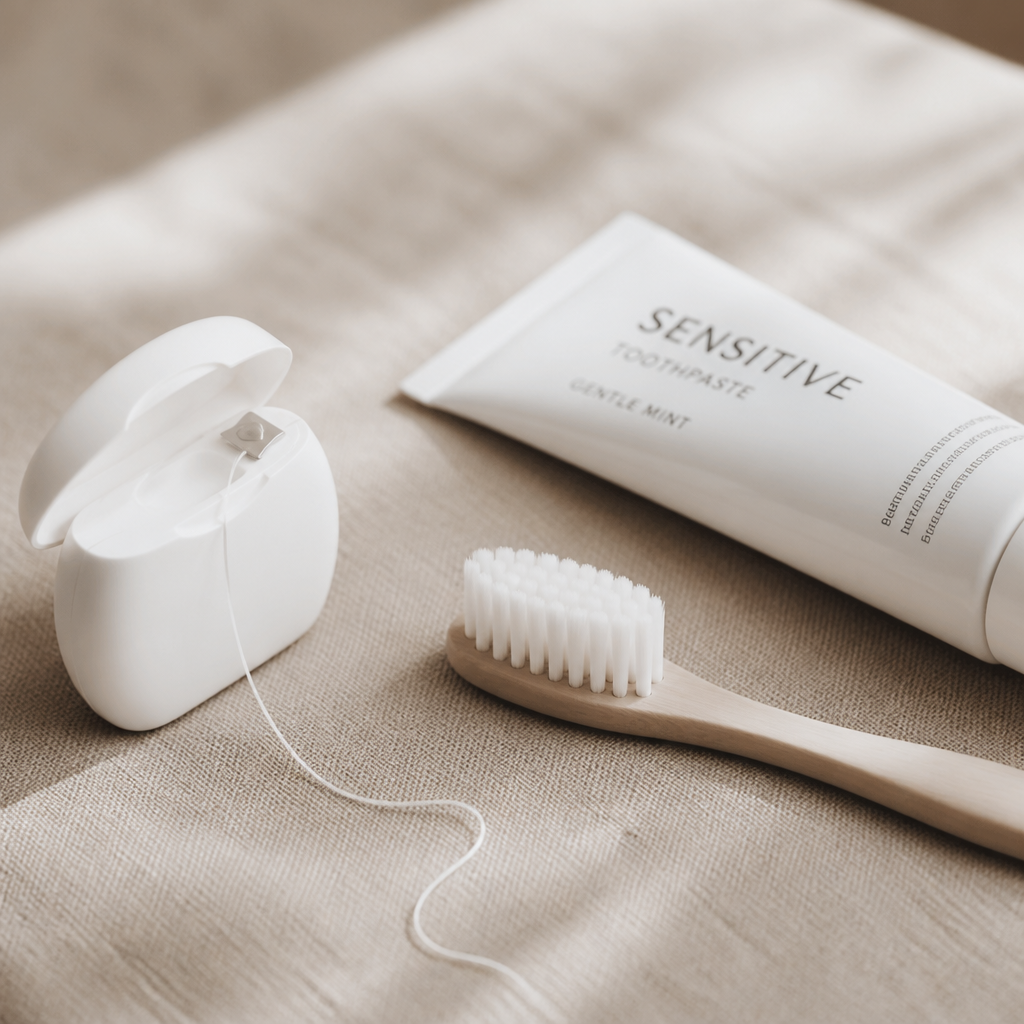
Unflavoured, non-foaming toothpaste addresses the sensory problem directly. It removes both the flavour trigger and the foam trigger, leaving a neutral-sensation product that can be tolerated. The fluoride remains present at the appropriate strength for the individual’s caries risk. For children under three, lower fluoride concentrations are appropriate. For individuals with higher caries risk, higher concentrations may be indicated. This is precisely why oraNurse offers its unflavoured toothpaste in multiple fluoride strengths rather than a single one-size-fits-all formulation.
Toothbrush Design: Head Size and Bristle Softness
A small brush head reduces the physical intrusion into the mouth and minimises contact with the soft palate, which is a primary gag trigger. Super soft bristles reduce the pressure sensation at the gumline, which is frequently the most sensitive area for individuals with oral hypersensitivity or tender gums.
Standard supermarket toothbrushes marketed as “soft” rarely deliver the bristle softness required for genuinely hypersensitive individuals. The difference between a standard soft brush and a purpose-designed super soft brush is immediately perceptible to anyone with oral sensory sensitivity. For carers managing toothbrushing for another person, the smaller head also improves their control and precision, reducing the likelihood of accidentally triggering the gag reflex.
Guidance for Healthcare Professionals and Carers
For dentists, dental hygienists, nurses, and care workers supporting individuals with oral sensory aversion, the clinical environment itself presents challenges that need direct management. A dental chair, overhead lights, unfamiliar equipment, and the expectation of compliance combine to create a high sensory load before any treatment begins.
Communication Before Contact
Narrating what you are about to do before you do it is not merely courtesy. It is a practical anxiety-reduction technique that gives the individual’s nervous system time to prepare rather than react. Unannounced oral contact is one of the fastest ways to escalate a sensory aversion response and damage clinical rapport. Describing each step, waiting for acknowledgement, and proceeding incrementally takes more time in the short term and dramatically less time across the treatment relationship.
Recommending Sensory-Friendly Products at Home
The dental appointment happens once or twice a year. The toothbrushing routine happens daily. Healthcare professionals who take five minutes to recommend a specific unflavoured non-foaming toothpaste and a super soft small-headed brush have a far greater impact on long-term oral health outcomes than those who confine advice to in-chair technique.
For NHS facilities and care settings procuring oral care products at scale, sourcing from suppliers who understand this population matters. Products designed for general consumers frequently do not meet the specific requirements of individuals with oral hypersensitivity. oraNurse supplies NHS care settings through established procurement channels, offering the formulations and brush designs that genuinely address these needs rather than generic products that compound the problem.
A common mistake in care settings is rotating toothpaste brands or switching to whichever product is cheapest in a given procurement cycle. For an individual with oral sensory aversion, an unexpected change in toothpaste flavour or texture can reset months of hard-won tolerance. Consistency of product is part of the clinical intervention, not an administrative preference.
Frequently Asked Questions
Is oral sensory aversion the same as being a fussy eater?
No. Oral sensory aversion is a neurologically driven condition in which the nervous system generates a genuine distress or rejection response to oral sensory input. Fussy eating involves preference and selectivity but does not produce the same involuntary physiological response. A child with oral sensory aversion may gag, cry, or freeze at stimuli that would not register as unpleasant to a typical child, and the pattern is consistent rather than situational. The distinction matters because the appropriate response is entirely different: preference-based fussiness responds to exposure and variety, while sensory aversion requires structured desensitisation and trigger reduction.
Can adults develop oral sensory aversion, or is it only a childhood condition?
Adults can both have lifelong oral sensory aversion that began in childhood and develop it later in life following illness, neurological changes, trauma, or prolonged medical intervention involving the mouth or throat. Adults who experienced tube feeding, intubation, or chemotherapy affecting the oral mucosa sometimes find that their tolerance for oral stimulation changes significantly. The coping strategies are broadly similar to those used with children but adapted to adult autonomy and the ability to participate actively in a self-directed programme.
Why does mint toothpaste specifically cause problems for people with oral sensory aversion?
Mint flavouring, particularly the concentrations used in standard commercial toothpastes, delivers a strong chemical stimulus to the trigeminal nerve and the taste receptors simultaneously. For individuals with oral hypersensitivity, this combined stimulus is experienced as overwhelming rather than refreshing. The cooling sensation from menthol adds a thermal component on top of the flavour intensity, multiplying the sensory input. Switching to an unflavoured toothpaste removes this entire category of trigger without compromising the mechanical and fluoride-based benefits of brushing.
How long does gradual oral desensitisation take to show results?
Progress in gradual oral desensitisation is measured in weeks to months, not days. The nervous system requires repeated, non-threatening exposures over time to recalibrate its response to oral input. Rushing the progression to achieve faster results reliably sets it back. In practice, most structured programmes delivered by occupational therapists or speech and language therapists show meaningful improvement over a period of several months, with the full programme often extending beyond that. Parallel changes, such as switching to sensory-friendly oral care products, can produce immediate improvements in daily tolerance while the longer-term desensitisation work progresses.
What fluoride strength toothpaste should be used for a child with oral sensory aversion?
Fluoride strength should be determined by the child’s age and caries risk, following the guidelines used for any child, not adjusted downward because of the sensory aversion. Reducing fluoride concentration to make brushing easier is counterproductive if it increases caries risk. The correct approach is to retain the clinically appropriate fluoride level and address the sensory triggers through other means: removing flavour, removing foam, switching to a super soft brush. For specific fluoride strength guidance based on age and risk, consult a dental professional or refer to your national clinical guidelines.
Can a silicone fingertip toothbrush fully replace a conventional toothbrush?
A silicone fingertip toothbrush is a useful transitional tool for individuals who cannot yet tolerate conventional bristles, but it is not a long-term equivalent. The mechanical plaque removal achieved by nylon bristles is more effective than that of silicone nubs. For individuals at the earliest stages of desensitisation, or those with profound sensory aversion, a fingertip toothbrush is vastly preferable to no brushing at all, and it allows oral hygiene to be maintained while tolerance is built. The goal is to progress toward a conventional super soft toothbrush over time, with the fingertip brush serving as a step in that progression rather than a permanent solution.