
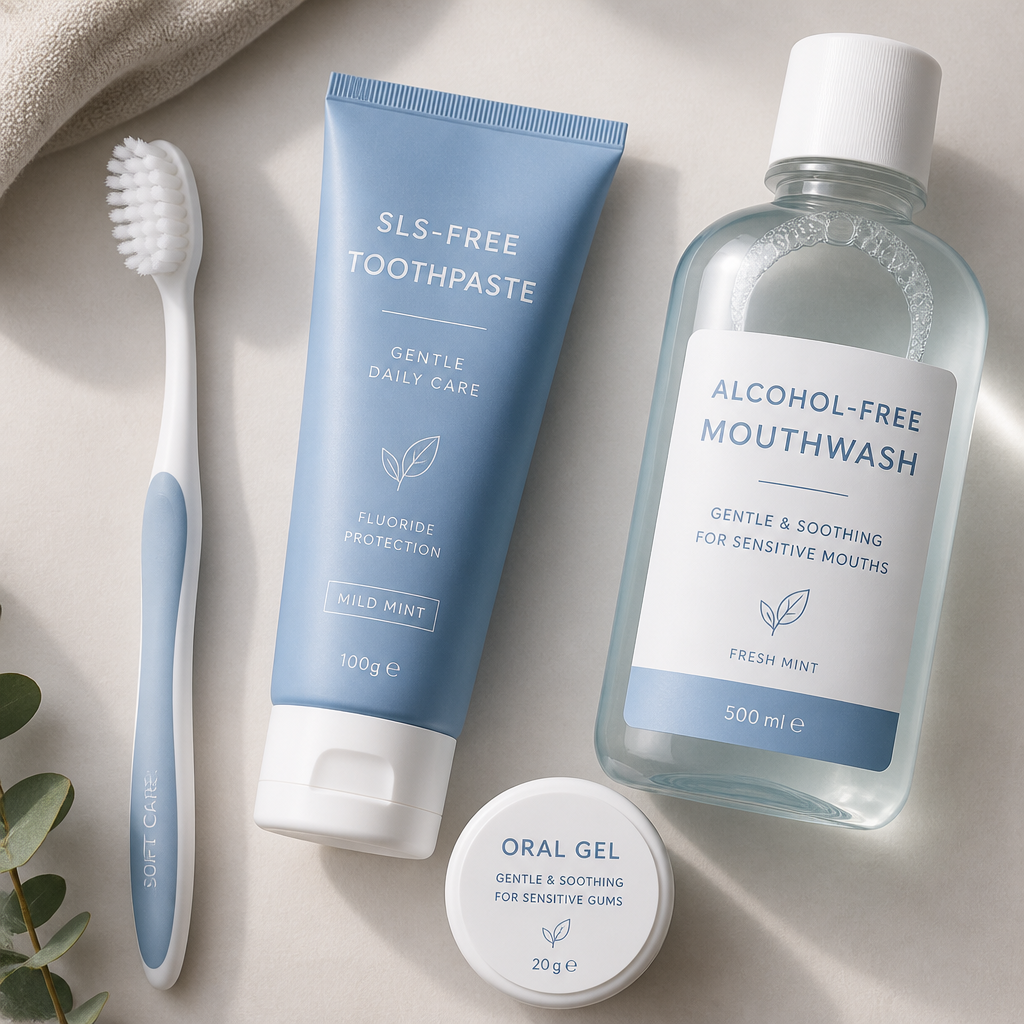
Up to 40% of chemotherapy patients develop oral mucositis, a painful inflammation of the mouth’s soft tissues that makes even basic brushing feel unbearable. If you are managing oral care after chemotherapy in the UK, the products you used before treatment are very likely working against you now. Standard mint toothpastes, foaming agents, and stiff-bristled brushes can all trigger or worsen sensitivity, bleeding, and ulceration. This guide cuts through the generic advice and focuses on what actually works for genuinely compromised mouths, drawing on clinical guidance and the specific product requirements that oncology nursing teams recommend.
Table of Contents
- Quick Takeaways
- Why Chemotherapy Changes Everything About Oral Care
- Choosing the Right Toothpaste for a Sensitive Mouth
- Gentle Toothbrush Selection for Chemotherapy Patients
- Fluoride Strength and Oral Mucositis: What the Evidence Says
- Product Comparison: Oral Care Options for Sensitive Mouths
- Building a Daily Oral Care Routine During and After Chemotherapy
- When to Involve Your Dental Team
- Frequently Asked Questions
- References
Quick Takeaways
| Key Insight | Explanation |
|---|---|
| Avoid sodium lauryl sulphate (SLS) | SLS is the foaming agent in most standard toothpastes. Clinical evidence links it to increased frequency and severity of mouth ulcers in patients with compromised mucosa. |
| Mint and strong flavours cause real harm | Flavouring agents can irritate already inflamed soft tissues. Unflavoured toothpaste is not a luxury for these patients; it is often a clinical necessity. |
| Bristle hardness matters more than brush brand | A super soft toothbrush with a small head causes significantly less trauma to tender gums than a standard soft brush. Head size also affects access around sore areas. |
| Fluoride should be maintained, not dropped | Chemotherapy increases caries risk due to dry mouth and dietary changes. Dropping fluoride to avoid discomfort is a common mistake that leads to tooth decay. |
| Silicone fingertip brushes fill a specific gap | When gum soreness makes even a super soft brush intolerable, a silicone fingertip brush provides cleaning action without bristle trauma, particularly for inpatient settings. |
| NHS supply chain products exist for a reason | Products available through NHS supply chains have typically met procurement standards for safety and clinical suitability, which matters when selecting items for vulnerable patients. |
| Routine must be consistent, not occasional | The UCLH and NHS England oncology oral care guidelines recommend brushing at minimum twice daily throughout treatment, even when the mouth is sore, using appropriately gentle tools. |
Why Chemotherapy Changes Everything About Oral Care
Chemotherapy drugs target rapidly dividing cells. The oral mucosa, the lining of your mouth, is one of the fastest-renewing tissues in the body, which is exactly why it takes such significant damage during treatment. The result is thinned, fragile tissue that cannot tolerate the same friction, flavour compounds, or chemical exposure as a healthy mouth.
Salivary gland function also drops during many chemotherapy regimens, leading to xerostomia (dry mouth). Reduced saliva means less natural antimicrobial protection, a more acidic oral environment, and far greater susceptibility to both caries and fungal infections like oral candidiasis. Standard toothpaste formulations simply were not designed with these conditions in mind.
The data consistently shows that poor oral hygiene during chemotherapy is directly correlated with worse mucositis outcomes, longer hospital stays, and higher rates of systemic infection. A 2020 Cochrane review on oral care interventions for oral mucositis in cancer patients confirmed that basic mechanical cleaning, done gently and consistently, remains one of the most effective preventive measures available.
“Oral care protocols in oncology should specify not just frequency of brushing but the exact type of brush and toothpaste formulation used. Generic advice to brush twice daily is insufficient when standard products are themselves contraindicated.” NHS England Oral Health Guidance for Cancer Patients
Choosing the Right Toothpaste for a Sensitive Mouth
Why SLS-Free and Unflavoured Matters Clinically
The single most impactful change most chemotherapy patients can make is switching to a non-foaming, unflavoured toothpaste. Sodium lauryl sulphate, the detergent responsible for foam in conventional toothpastes, has been shown in multiple randomised controlled trials to increase aphthous ulcer recurrence and delay healing. For a patient already dealing with mucositis, this is not an acceptable trade-off.
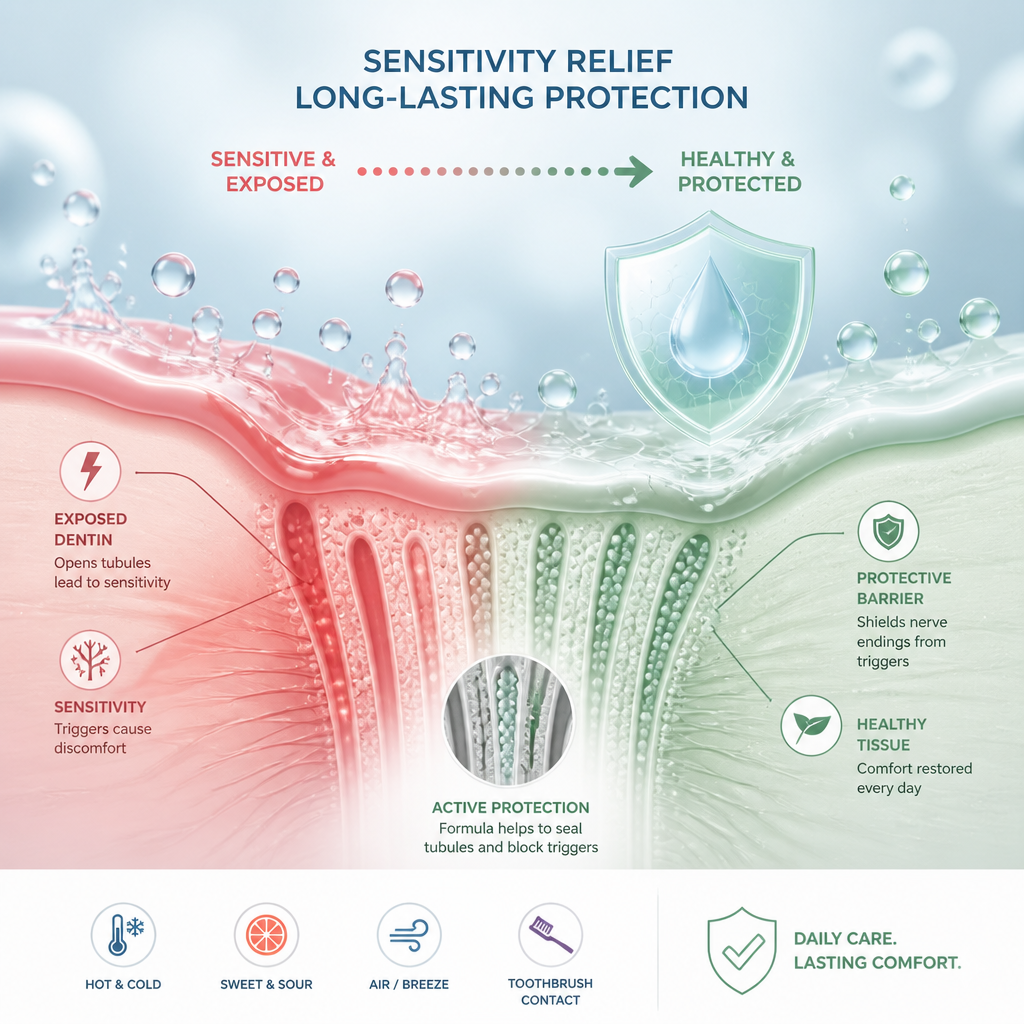
Mint, spearmint, cinnamon, and other flavour agents are not neutral. They contain compounds that act as irritants on compromised mucosa. Many patients abandon brushing entirely because the pain from flavoured toothpaste is too severe, which leads to rapid oral health deterioration. Removing flavour is not about preference; it is about keeping the patient brushing at all.
oraNurse’s unflavoured toothpaste is formulated without SLS and without flavouring agents, making it one of the very few products in the UK market specifically suitable for this population. It is available in multiple fluoride concentrations, which matters for clinical tailoring across different patient risk profiles.
Getting Fluoride Concentration Right
A common mistake is reducing or eliminating fluoride to minimise any possible irritation. This logic is flawed. Chemotherapy-related dry mouth dramatically increases caries risk, and the protective role of fluoride becomes more important, not less, during treatment.
Pro tip: If you are a healthcare professional advising chemotherapy patients, document the specific toothpaste formulation recommended, including fluoride concentration and the absence of SLS and flavouring. Generic instructions to use a sensitive toothpaste are insufficient and often lead patients to products that still contain SLS.
Gentle Toothbrush Selection for Chemotherapy Patients
Super Soft Bristles and Small Heads Are Not Optional
Most toothbrushes labelled “soft” in supermarkets do not meet the standard required for chemotherapy-induced mucositis. The distinction between “soft” and “super soft” is clinically meaningful. Super soft bristles cause measurably less abrasion to fragile gingival tissue, and for patients whose gums bleed on minimal contact, this difference determines whether brushing is possible at all.
Head size is a secondary factor that oncology nurses frequently overlook. A smaller head provides better access around ulcerated areas and causes less pressure displacement when the patient needs to avoid specific sore spots. oraNurse’s super soft toothbrush with a small head addresses both variables in one product, which simplifies procurement for healthcare settings.
When Even a Soft Brush Is Too Much
During acute mucositis flares, even a super soft brush can cause bleeding and distress. This is where silicone fingertip toothbrushes serve a specific clinical role. They provide a textured cleaning surface with zero bristle trauma, allowing oral hygiene to continue during the most severe episodes.
In practice, the most effective approach is a two-product protocol: use the super soft brush as the standard daily tool and keep a silicone fingertip brush available for high-severity days. This prevents the complete abandonment of oral hygiene during flares, which is when bacterial load builds fastest.
Pro tip: For patients receiving inpatient chemotherapy, request that the ward stock both product types rather than relying on patients to bring their own. Many patients do not anticipate the degree of oral sensitivity they will experience and arrive without appropriate tools.
Fluoride Strength and Oral Mucositis: What the Evidence Says
The relationship between fluoride and oral mucositis is frequently misunderstood. Fluoride does not treat or prevent mucositis directly. What it does is prevent the secondary dental damage that accumulates when mucositis leads to poor oral hygiene, increased acidity, and dry mouth. These secondary caries can cause permanent tooth loss and significant long-term quality-of-life impact.
NICE guidance on supportive care in cancer, alongside guidance from the British Society for Disability and Oral Health, recommends maintaining fluoride throughout cancer treatment. The question is not whether to use fluoride, but which concentration and delivery method is tolerable. A low-irritant, unflavoured toothpaste at the appropriate fluoride level is the answer in most cases.
For patients who cannot tolerate any toothpaste application, fluoride gels or varnish applied by a dental professional remain options, but these do not replace the mechanical plaque removal provided by brushing. The goal is always to preserve both the fluoride application and the brushing, using whatever formulation allows the patient to actually complete the task.
Building a Daily Oral Care Routine During and After Chemotherapy
Frequency and Timing
NHS England oncology oral care guidelines and guidance from Macmillan Cancer Support both recommend brushing at least twice daily throughout chemotherapy, including during active mucositis. The temptation to stop brushing when the mouth is sore is understandable but counterproductive. Bacterial biofilm accumulation accelerates during treatment due to reduced saliva, and the resulting infection risk is clinically serious.
Timing matters too. Brushing after meals removes food debris before it ferments in an already acidic, low-saliva environment. Evening brushing before sleep is especially important because salivary flow drops further overnight, reducing natural cleansing.
Mouthwash: What to Avoid and What to Use
Alcohol-based mouthwashes are contraindicated for chemotherapy patients with oral sensitivity. Alcohol causes burning and drying that can worsen mucositis significantly. Many commercially available mouthwashes contain both alcohol and strong flavouring, making them doubly problematic.
The evidence base for any specific therapeutic mouthwash in mucositis prevention is limited. The most consistently supported intervention remains simple saline rinses, prepared by dissolving half a teaspoon of salt in 250ml of warm water. Some oncology units also use sodium bicarbonate rinses to manage acidity. Neither requires purchasing a specialist product.
For patients experiencing significant dry mouth, a non-alcoholic saliva substitute or a water-based mouth moisturiser like Bioxtra can help maintain comfort between brushing and reduce caries risk. These are different products from regular mouthwash and should be recommended specifically for xerostomia rather than general oral hygiene.
When to Involve Your Dental Team
The biggest systemic failure in oncology oral care in the UK is the disconnect between oncology teams and dental teams. Many patients receive their chemotherapy diagnosis and treatment plan with no dental review whatsoever. This is a missed opportunity with measurable consequences.
A pre-treatment dental assessment should ideally take place at least two weeks before chemotherapy begins. This allows time for any existing dental infections or unstable restorations to be treated before immunosuppression begins. Treating a dental abscess during active chemotherapy is significantly more complex and risky than treating it beforehand.
Post-treatment, patients should return to their dentist within three months of completing chemotherapy. Caries that developed during treatment are often more extensive than they appear clinically, particularly in patients who experienced prolonged dry mouth. Early intervention prevents escalation to extractions and complex restorative work.
If you are a GP, oncology nurse, or hospital pharmacist, referring patients to a dentist before chemotherapy starts is within your scope and is explicitly encouraged by NHS guidance. It does not require a specialist referral in most cases; a standard NHS dental appointment with a brief written note about the upcoming treatment is sufficient.
Frequently Asked Questions
What makes a toothpaste suitable for oral care after chemotherapy in the UK?
The three non-negotiable criteria are: no sodium lauryl sulphate, no flavouring agents, and an appropriate fluoride concentration. Most chemotherapy patients also benefit from a non-foaming formula because excessive foam can trigger nausea in patients already experiencing treatment-related sickness. Products meeting all three criteria are uncommon in mainstream retail in the UK, which is why specialist formulations like those from oraNurse exist specifically for this clinical context.
Is it safe to brush teeth during active mucositis?
Yes, and it is strongly recommended. The risk of stopping brushing, which allows bacterial plaque and candida to accumulate on already compromised tissue, outweighs the discomfort of gentle brushing. The solution is not to stop brushing but to switch to a super soft or silicone brush and an unflavoured non-foaming toothpaste that does not aggravate the tissue further. If brushing causes significant bleeding, a dental review is warranted, but do not stop brushing without professional guidance.
Can I use a standard electric toothbrush during chemotherapy?
Most oscillating electric toothbrush heads are not suitable during active mucositis because the rapid movement and standard bristle hardness increase trauma risk. During treatment, a super soft manual toothbrush used with light, circular strokes is generally safer and easier to control around sore areas. Some patients return to electric brushes after treatment ends and the mucosa has healed, but this should be a gradual transition with clinical guidance.
How long do oral sensitivity issues last after chemotherapy ends?
For most patients, acute mucositis resolves within two to four weeks of the final chemotherapy cycle. However, salivary gland function can take months to recover fully, and some patients experience persistent dry mouth for six months or longer after treatment. This means the need for specialist oral care products does not end when chemotherapy does. Gentle toothbrushes and unflavoured low-irritant toothpaste should continue to be used until a dental professional confirms the mucosa and salivary function have returned to a baseline where standard products are tolerable.
Should children receiving chemotherapy use the same products as adults?
The principle is the same: unflavoured, SLS-free, appropriately fluoridated toothpaste and the softest available brush. Fluoride concentration will differ based on age and caries risk, and paediatric oncology teams typically have specific oral care protocols. oraNurse offers formulations suitable for children, and paediatric dental teams at oncology centres should be involved in protocol design from the start of treatment rather than called in reactively when problems develop.
References
- UK clinical guidelines on supportive and palliative care in cancer from the National Institute for Health and Care Excellence
- Cochrane systematic review database covering interventions for oral mucositis in patients receiving cancer treatment
- NHS England patient and professional guidance on oral health during cancer treatment
- Macmillan Cancer Support information on managing mouth problems and oral care during chemotherapy
- UK Government public health and NHS dental care commissioning guidance relevant to cancer patient oral health