
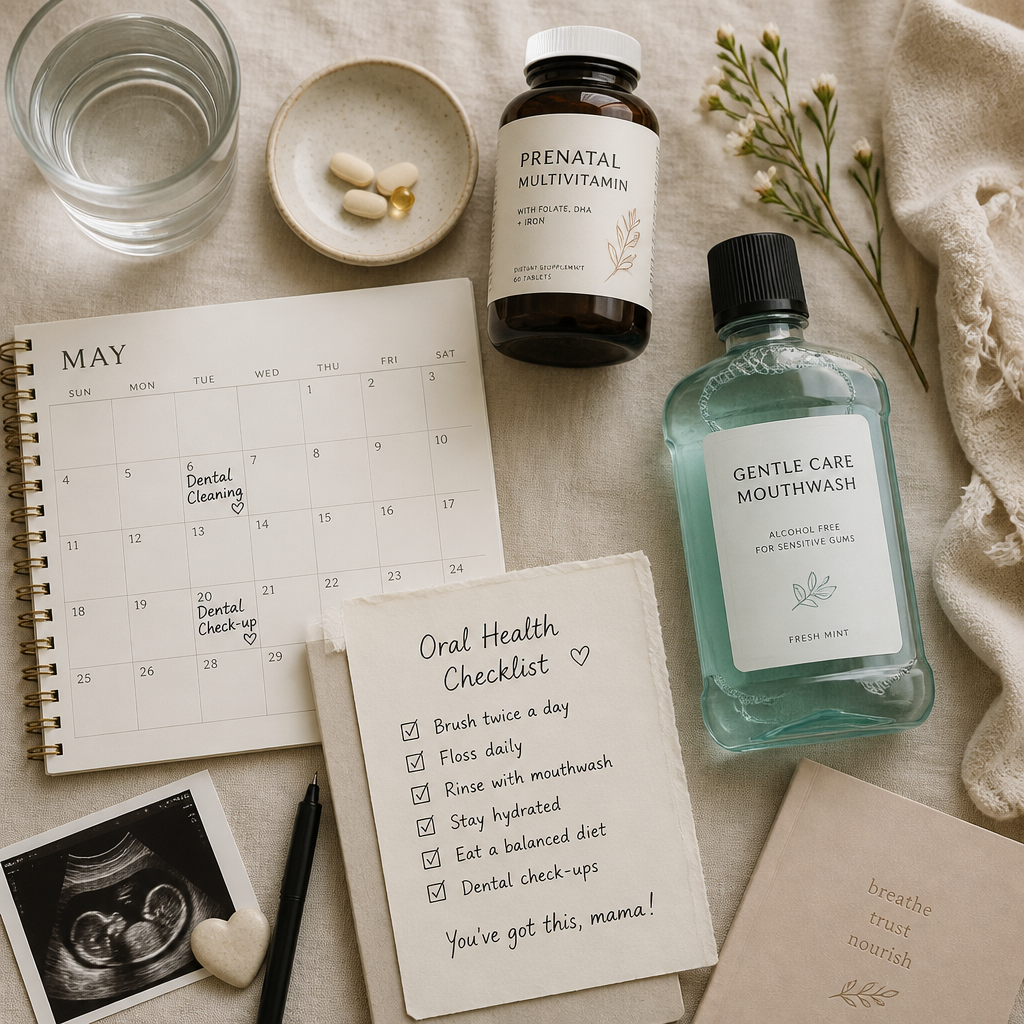
Pregnancy changes almost everything about your body, and your mouth is no exception. Between 60% and 75% of pregnant women develop gingivitis during pregnancy, driven by hormonal shifts that make gum tissue more reactive to bacteria. Add morning sickness to the mix and you have a situation where the very act of brushing can feel impossible, yet skipping it puts both you and your baby at greater risk. Managing oral health in pregnancy in the UK is not a nice-to-have. It is a genuine part of prenatal care, and the toothpaste and brush you choose matter more than most people realise.
Table of Contents
- Quick Takeaways
- Why Pregnancy Changes Your Oral Health
- Choosing a Toothpaste Safe for Pregnancy
- Morning Sickness and Tooth Brushing: What to Do
- Choosing the Right Toothbrush for Tender Pregnancy Gums
- Fluoride and Pregnancy: How Much Is Right?
- A Practical Daily Oral Health Routine for Pregnancy
- Comparison of Toothpaste Approaches During Pregnancy
- Frequently Asked Questions
- References
Quick Takeaways
| Key Insight | Explanation |
|---|---|
| Gingivitis is extremely common in pregnancy | Hormonal changes exaggerate gum tissue response to bacteria. Bleeding gums during pregnancy are a warning sign, not something to ignore or brush around gently. |
| Do not brush immediately after vomiting | Stomach acid softens enamel. Brushing within 30 to 60 minutes of vomiting scrubs that softened enamel away. Rinse with water or a diluted baking soda solution first. |
| Strong mint flavour triggers nausea in many pregnant women | Unflavoured toothpaste removes the sensory trigger without removing the protection. This is not a gimmick. It is the practical solution for women who cannot tolerate conventional toothpaste. |
| Fluoride toothpaste remains safe and recommended in pregnancy | Both the American Dental Association and general dental guidance confirm fluoride-containing toothpaste should be used throughout pregnancy. There is no credible evidence to avoid it. |
| Foaming agents worsen nausea for some women | Sodium lauryl sulphate (SLS), the foaming agent in most toothpastes, amplifies nausea for sensitive individuals. A non-foaming formula removes this problem entirely. |
| Dental treatment is safe throughout pregnancy | The ADA and the American College of Obstetricians and Gynecologists both confirm that preventive, diagnostic, and restorative dental treatment is safe at any point during pregnancy. Delaying treatment creates more risk, not less. |
| Soft-bristled, small-headed brushes are more effective during pregnancy | Swollen, tender gum tissue needs gentle but thorough cleaning. A large brush head is harder to manoeuvre around sensitive areas, and firm bristles cause unnecessary trauma and bleeding. |
Why Pregnancy Changes Your Oral Health
The hormonal changes that drive pregnancy, particularly the rise in progesterone and oestrogen, do not just affect your mood and your body. They directly alter how your gum tissue responds to the bacteria already living in your mouth. Gums become more inflamed, more prone to bleeding, and more vulnerable to infection from the same level of plaque that would have caused no problem before pregnancy.
Dental caries also become a more active risk during pregnancy. Cravings push many women toward more frequent snacking, which exposes teeth to more sugar. Morning sickness repeatedly floods the mouth with stomach acid. Dry mouth, common during the first trimester, removes the buffering protection of saliva. All of these factors working together create a window of genuine vulnerability that requires active management, not passive hope.
In rare cases, a benign growth called a pyogenic granuloma (sometimes called a pregnancy tumour, though it is not cancerous) can develop on the gum tissue. It looks alarming but is a hormonal reaction. It typically resolves after delivery. If you see an unusual growth on your gums during pregnancy, see a dentist. Do not assume it is harmless without a professional opinion.
Oral health is an important part of prenatal care, and poor oral health during pregnancy can lead to poor health outcomes for both the mother and the baby. Treating oral health conditions during pregnancy is not optional, it is part of keeping both patients healthy.
Pro tip: Book a dental check-up as soon as you find out you are pregnant. NHS dental treatment is free during pregnancy and for 12 months after your baby is born in the UK. Use that entitlement early, not just when something hurts.
Choosing a Toothpaste Safe for Pregnancy
The question of which toothpaste is safe during pregnancy comes up constantly, and the honest answer is that fluoride toothpaste is safe, recommended, and important throughout all three trimesters. The more useful question is which toothpaste you can actually use consistently when your sensory tolerance has shifted dramatically.
The Problem with Conventional Mint Toothpastes
Most supermarket toothpastes are formulated with strong mint flavouring and sodium lauryl sulphate, the detergent that creates foam. For a woman in her first trimester dealing with persistent nausea, putting a strongly flavoured, heavily foaming product in her mouth twice a day is genuinely difficult. Many women report that the flavour alone triggers the gag reflex before they have even started brushing.
The practical consequence is that women either rush through brushing, skip it altogether, or switch to something that works better. Skipping brushing is by far the worst outcome.
Why Unflavoured, Non-Foaming Toothpaste Works
An unflavoured, non-foaming toothpaste removes both sensory triggers at once. No mint hit, no foam building in the mouth. For women who struggle with conventional products during pregnancy, this is not a compromise. It is a direct solution. oraNurse unflavoured toothpaste is formulated specifically without SLS and without flavouring, making it a practical option for exactly this situation.
The product is available in different fluoride strengths, which matters when you are thinking about both your own dental protection and any guidance your dentist has given you. The toothpaste provides genuine protection without the sensory properties that make brushing feel like a battle against nausea.
Pro tip: Keep a small travel-sized tube of unflavoured toothpaste by the sink and another in your bag. The barrier to brushing needs to be as low as possible during the first trimester. Convenience matters when everything feels hard.
Morning Sickness and Tooth Brushing: What to Do
Morning sickness is poorly named. For many women it lasts all day, and for some it continues well beyond the first trimester. The impact on tooth brushing is significant and underestimated by most general dental guidance, which tends to simply say “brush twice a day” without addressing the reality of vomiting.
Never Brush Immediately After Vomiting
This is the single most important practical rule for pregnant women managing morning sickness and oral health. Vomiting floods the mouth with gastric acid, which temporarily softens tooth enamel. Brushing within about 30 to 60 minutes of vomiting removes that softened enamel. Over repeated episodes throughout pregnancy, this creates meaningful, irreversible erosion.
The correct approach is to rinse with water or a diluted solution of one teaspoon of baking soda in a cup of water. This neutralises the acid without abrading the enamel. Wait before brushing. This is confirmed in clinical guidance from the ADA.
Adjusting the Timing of Your Brushing Routine
If mornings are your worst time for nausea, brush at night before bed and find a point in the morning when you feel most settled, even if that means brushing mid-morning rather than immediately on waking. Consistency matters more than the exact timing. A thorough brush at 10am is far better than a skipped brush at 7am.
Changing to an unflavoured toothpaste also changes how the brushing experience feels at its most nausea-prone moments. Women consistently report that removing the mint trigger makes brushing much more manageable during the first trimester.
Choosing the Right Toothbrush for Tender Pregnancy Gums
Pregnancy gingivitis makes gum tissue swollen and genuinely tender. Using a firm-bristled brush or a large brush head during this period is both uncomfortable and counterproductive. The gum tissue bleeds more easily, which causes many women to brush less thoroughly to avoid the bleeding, which then allows more plaque to accumulate, which worsens the gingivitis. This is the cycle that needs breaking.
Super Soft Bristles with a Small Head
A super soft toothbrush with a small head is the most effective tool for this situation. The small head allows you to reach all surfaces of every tooth without forcing the brush around the mouth, which matters when your gag reflex is more sensitive than usual. Super soft bristles clean the gum line thoroughly without causing trauma to already inflamed tissue.
oraNurse super soft toothbrushes are designed with exactly this use case in mind: small brush heads and ultra-soft bristles suitable for tender gums. This is not a toothbrush designed for a niche edge case. It is a toothbrush designed for anyone whose gum tissue needs gentle, thorough care, which describes most pregnant women.
Silicone Fingertip Brushes for the Most Sensitive Days
On days when nausea or gag reflex sensitivity makes even a small-headed brush difficult, a silicone fingertip toothbrush offers an alternative. Placed over the index finger, it gives direct tactile control over pressure and position. Many women find this approach less triggering than a handled brush during their worst nausea periods. It is not a replacement for a full brushing routine but it is far better than not brushing at all.
Fluoride and Pregnancy: How Much Is Right?
There is a persistent online narrative suggesting that fluoride should be avoided during pregnancy. This is not supported by dental or medical authorities. The ADA states clearly that fluoride-containing toothpaste should be used during pregnancy. The amount of fluoride absorbed from brushing with a standard fluoride toothpaste is not a clinically significant concern for the mother or the developing baby.
What does matter is choosing the right fluoride strength for your specific situation. Standard toothpastes available in UK supermarkets contain 1,000 to 1,450 parts per million (ppm) of fluoride. For most adults this is appropriate. If your dentist has identified a higher caries risk during pregnancy, which is common, they may recommend a higher-strength fluoride toothpaste.
oraNurse toothpaste is available in multiple fluoride concentrations, which makes it a practical choice for pregnant women whose dentist has given specific fluoride guidance. You are not limited to a single strength. Having access to the right concentration, in a formula that does not trigger nausea, makes it easier to follow your dental professional’s actual recommendation rather than defaulting to whatever is tolerable on the supermarket shelf.
Pro tip: At your pregnancy dental appointment, ask your dentist specifically whether your current fluoride level is appropriate given any dietary changes or episodes of vomiting you have had. It is a direct question with a direct answer that most dentists will appreciate you asking.
A Practical Daily Oral Health Routine for Pregnancy
Generic advice to “brush twice a day” ignores the real constraints of pregnancy. Here is what a workable routine actually looks like when you are managing nausea, sensitive gums, and a heightened gag reflex.
Brush twice daily, but be flexible about the exact time. If first thing in the morning is not possible, brush once your nausea has settled and once before bed. Use a super soft, small-headed toothbrush and an unflavoured, non-foaming fluoride toothpaste. Spend two full minutes brushing, paying particular attention to the gum line where plaque accumulates and where pregnancy gingivitis develops.
After any episode of vomiting, rinse immediately with water or a diluted baking soda solution. Do not brush for at least 30 minutes. Clean between your teeth once a day using floss or interdental brushes. Pregnancy hormones make the spaces between teeth at the gum line particularly vulnerable to inflammation. Interdental cleaning addresses that area in a way that brushing alone cannot.
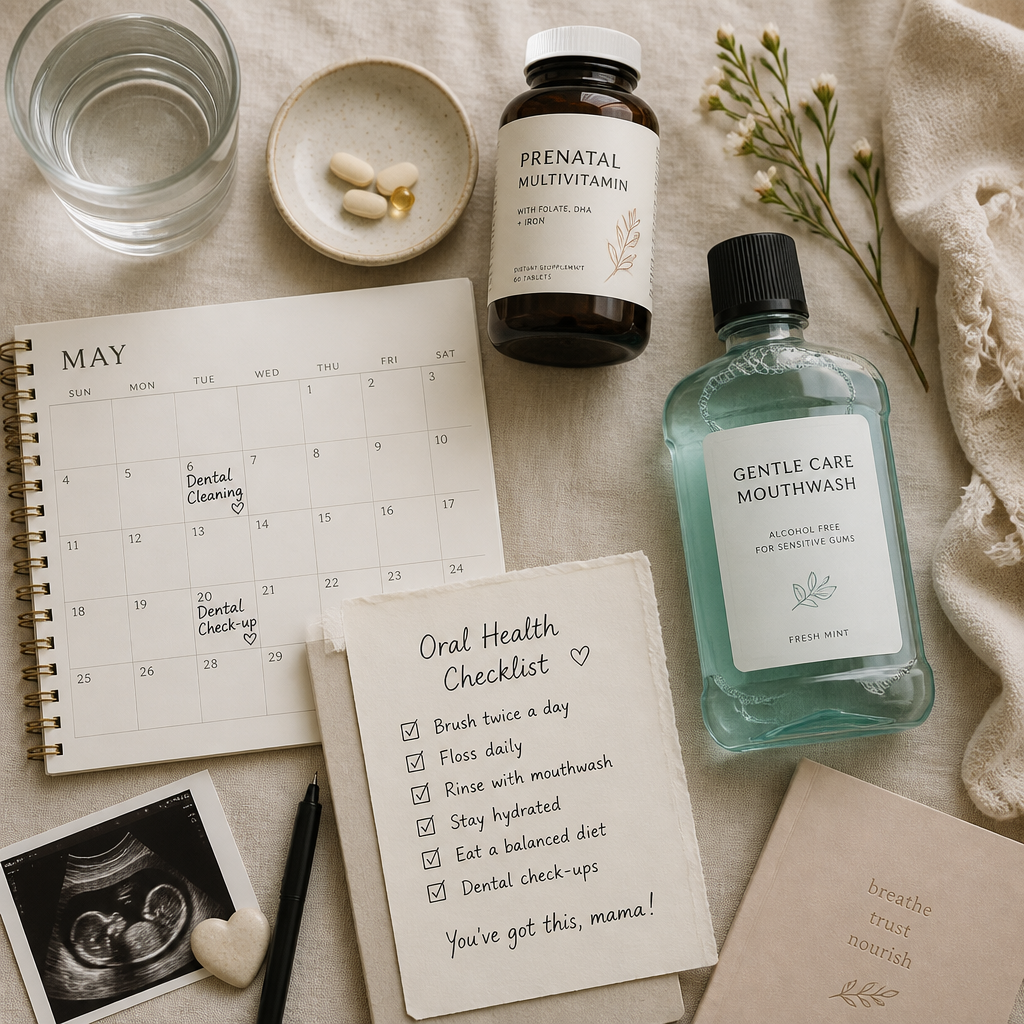
Attend a dental check-up early in pregnancy and at least once more during the second trimester if possible. Report any bleeding gums, unusual swellings, or tooth pain immediately. Dental treatment is safe throughout pregnancy. Delaying it is not a safer option, it is a more risky one.
Comparison of Toothpaste Approaches During Pregnancy
| Toothpaste Type | Suitability for Pregnancy | Key Limitation |
|---|---|---|
| Standard mint fluoride toothpaste (e.g., most supermarket brands) | Fluoride protection is appropriate, but strong mint flavouring and SLS foaming agent are common nausea triggers for pregnant women with morning sickness | Many women cannot tolerate the flavour or foam during the first trimester, leading to skipped brushing sessions |
| Natural or herbal toothpastes marketed as pregnancy-safe | Often unflavoured or mildly flavoured, which helps with nausea, but many natural toothpastes are fluoride-free, which increases caries risk at exactly the point in pregnancy when caries risk is elevated | Removing fluoride during pregnancy is a clinically counterproductive trade-off. A gentle formula without fluoride does not protect against the increased cavity risk that pregnancy creates |
| Unflavoured non-foaming fluoride toothpaste (e.g., oraNurse) | Removes both the flavour and the foam trigger without removing fluoride protection. Available in multiple strengths to match dentist recommendations. Suitable from the first trimester throughout the full pregnancy | Less widely available in physical stores than standard brands. Available directly from many specialist dental suppliers and many places online. Can be ordered from any pharmacy. |
Frequently Asked Questions
Is it safe to use fluoride toothpaste when pregnant?
Yes. Fluoride toothpaste is safe and recommended throughout pregnancy. The ADA and general dental guidance both confirm this. The amount of fluoride absorbed from twice-daily brushing is not a concern for the developing baby. Avoiding fluoride during pregnancy actually increases your cavity risk at a time when that risk is already elevated due to dietary changes and repeated exposure to stomach acid from morning sickness.
Why does toothpaste make me feel sick when I am pregnant?
Two ingredients in conventional toothpaste are common nausea triggers during pregnancy. The first is strong mint flavouring, which can trigger the gag reflex even before brushing has started. The second is sodium lauryl sulphate (SLS), the detergent that creates foam, which many women find amplifies nausea. Switching to an unflavoured, non-foaming toothpaste removes both triggers while keeping the fluoride protection you need.
When should I brush my teeth if I have morning sickness?
Never brush immediately after vomiting. Stomach acid temporarily softens enamel, and brushing while it is softened accelerates erosion. Rinse with water or a diluted baking soda solution first and wait at least 30 minutes before brushing. More broadly, shift your brushing time to the part of the day when your nausea is most manageable rather than forcing yourself to brush at a time when you are most symptomatic.
Can I go to the dentist while pregnant in the UK?
Yes, and you should. Dental care is safe throughout pregnancy and NHS dental treatment is free in the UK during pregnancy and for 12 months after your baby is born. Book an appointment as early in your pregnancy as possible. Both the ADA and the American College of Obstetricians and Gynecologists confirm that preventive and restorative dental treatment, including local anaesthesia, is safe at any point during pregnancy. Delaying necessary treatment creates more risk than receiving it.
My gums bleed when I brush during pregnancy. Should I stop brushing?
No. Stopping or reducing brushing in response to bleeding gums is the opposite of what helps. Bleeding gums during pregnancy are typically a sign of pregnancy gingivitis, caused by hormonal changes making gum tissue more reactive to plaque. The solution is to brush more thoroughly, not less, using a super soft brush to avoid unnecessary trauma to already inflamed tissue. If the bleeding is significant or does not improve, see a dentist. Do not manage it by brushing around the problem area.
Is it safe to use a whitening toothpaste during pregnancy?
Most dental professionals recommend avoiding whitening toothpastes during pregnancy. Many whitening products contain abrasive particles or bleaching agents that are not appropriate during pregnancy. During a period when your gums are already more sensitive and your enamel faces more acid exposure from morning sickness, adding abrasive whitening agents is not a sensible combination. Stick to a straightforward fluoride toothpaste. Whitening can wait until after you have had your baby.
If you are pregnant and have found a toothpaste or brushing approach that made a real difference for you, share your experience in the comments. Other pregnant women searching for practical answers will benefit from what actually worked for you.
References
- American Dental Association guidance on oral health conditions and safe dental treatment during pregnancy
- CDC guidance for healthcare providers on oral health risks and prenatal care for pregnant women
- HRSA overview of oral health during pregnancy and its importance for maternal and infant outcomes
- Patient handout with practical oral hygiene tips for maintaining dental health during pregnancy