

Most people with epilepsy are not warned about what their medication will do to their gums. Oral hygiene for epilepsy patients is one of the most consistently overlooked areas in both neurology follow-up and routine dental care, yet the consequences are measurable and often preventable. Antiepileptic drugs (AEDs) can cause gum tissue to overgrow, saliva to dry up, and mouth ulcers to develop, making every brushing session more painful and less effective. This guide is written for the dental hygienists, carers, and specialist practitioners working in special care dentistry with epilepsy patients, as well as for patients and family members who want straight answers about what to do.
Table of Contents
- What Antiepileptic Drugs Do to the Mouth
- Gum Health and Epilepsy Medication: The Phenytoin Problem
- Dry Mouth and Decay Risk in Epilepsy Patients
- Toothbrush and Product Selection for Sensitive Conditions
- Special Care Dentistry and Epilepsy: What Clinicians Must Know
- Comparing Oral Hygiene Approaches for Epilepsy Patients
- Frequently Asked Questions
- References
What Antiepileptic Drugs Do to the Mouth
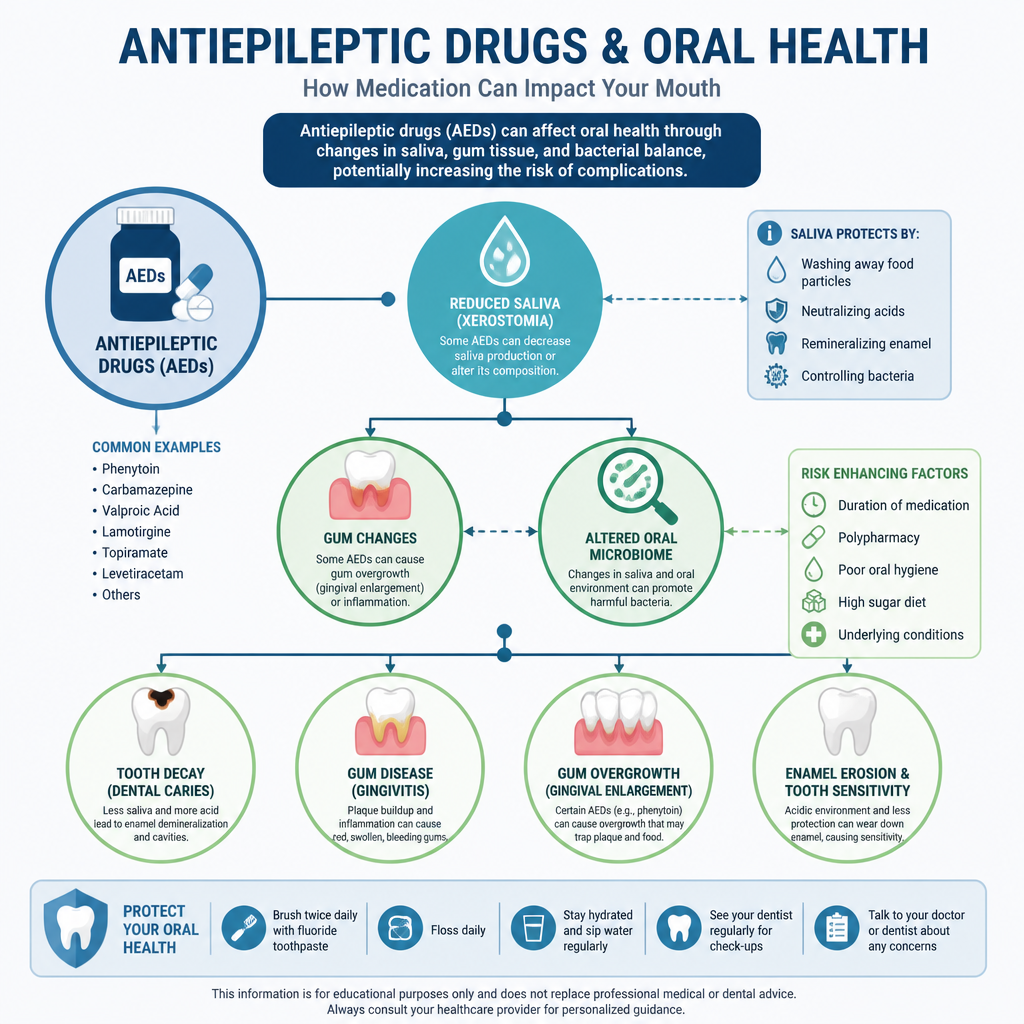
The relationship between epilepsy and oral health runs deeper than seizure-related tooth trauma. AEDs, the very drugs that control seizures, carry a documented list of oral side effects that compound over time. Plaque accumulation, gingival overgrowth, dry mouth, and ulceration all emerge as medication-related consequences rather than signs of poor patient effort.
The number of decayed and missing teeth, the degree of abrasion, and periodontal indices are significantly worse in patients with epilepsy compared to the general population. This is not a marginal difference. It reflects years of under-addressed medication side effects, reduced access to dental care, and oral hygiene routines that were never adapted to the patient’s actual clinical situation.
Understanding exactly which drug is causing which problem is not optional for practitioners in this space. Prescribing a generic oral hygiene routine to a patient on phenytoin is clinically insufficient. The drug matters. The duration of use matters. The patient’s plaque control habits matter enormously, because plaque is an aggravating factor in almost every AED-related oral complication.
Gum Health and Epilepsy Medication: The Phenytoin Problem
Phenytoin is the drug most strongly associated with gingival overgrowth. Gingival hyperplasia, an overgrowth of gum tissue, affects approximately 50% of patients taking phenytoin, with the condition typically appearing within 12 to 24 months of starting the medication. The mechanism involves phenytoin altering the metabolism of gingival fibroblasts, resulting in the production of excessive amounts of collagen.
What clinicians must understand is that plaque accumulation is a key factor in initiating and worsening this overgrowth. Gingival enlargement creates pseudopockets that accumulate more plaque, which then worsens the overgrowth in a self-reinforcing cycle. Excellent plaque control does not prevent gingival hyperplasia entirely, but it significantly reduces its severity. This is not theoretical. Meticulous home care is the single most effective non-surgical intervention available.
Other AEDs and Their Gum-Related Effects
Phenytoin gets most of the attention, but other AEDs carry their own gum risks. Valproic acid has been associated with gingival hyperplasia in a meaningful proportion of patients, and sodium valproate can also reduce platelet count and function, which creates a bleeding complication during any periodontal treatment or even vigorous brushing. Carbamazepine has been linked to ulceration, dry mouth, stomatitis, and glossitis due to its neutropenic effect.
For patients on phenobarbital, phenytoin, or primidone, there is also an additional consideration: these drugs affect the metabolism of vitamin D, which increases the risk of demineralisation and decay over time. A patient presenting with unexplained enamel loss or accelerated decay should prompt a medication review alongside an oral hygiene assessment.
Plaque accumulation plays an important factor in initiating overgrowth; hence, proper oral hygiene is highly recommended for every patient managed on antiepileptic drugs.
When Gum Tissue Overgrows Completely
In severe cases of phenytoin-induced gingival hyperplasia, gum tissue can overgrow the crowns of teeth entirely. Surgical removal of excess tissue (gingivectomy) becomes necessary at that point. However, if the patient continues taking phenytoin and plaque control remains poor, recurrence is highly likely. The surgical option treats the result; it does not address the cause. Drug substitution, where seizure control allows it, combined with disciplined plaque removal, is the only durable solution.
Dry Mouth and Decay Risk in Epilepsy Patients
Xerostomia, or dry mouth, is another well-documented side effect of several AEDs, particularly carbamazepine and valproic acid. Saliva is the mouth’s primary natural defence: it neutralises acids, washes away food particles, and remineralises tooth surfaces continuously throughout the day. When saliva production drops, decay risk rises sharply.
For patients already struggling with inflamed or overgrown gum tissue, the combination of xerostomia and poor plaque control creates an accelerating decay environment. The clinical recommendation is clear: fluoride toothpaste used consistently at the right strength is not optional for these patients. It is the baseline. Patients on AEDs who experience dry mouth should brush more frequently, not less, and should use a fluoride concentration appropriate to their risk level.
Managing Dry Mouth Day to Day
Practical management of xerostomia includes increasing water intake throughout the day, using sugar-free gum or sugar-free mints to stimulate saliva production, artificial saliva products like Bioxtra and avoiding alcohol-containing mouthwashes, which dry the tissues further. For patients who find strong mint flavours intolerable, or who have sensory sensitivities that make standard toothpaste foaming uncomfortable, an unflavoured, non-foaming fluoride toothpaste removes a barrier that might otherwise prevent them from brushing at all.
Pro tip: For epilepsy patients experiencing xerostomia, recommend brushing with a non-foaming fluoride toothpaste before bed and after each meal. The absence of heavy foaming makes it easier to tolerate for longer, which improves plaque removal time and fluoride contact.
Toothbrush and Product Selection for Sensitive Conditions
Swollen, overgrown, or tender gum tissue changes what a toothbrush needs to do. A standard medium-bristle brush used with heavy pressure on inflamed gingiva causes pain, bleeding, and avoidance. Patients stop brushing, which accelerates the very problem that made brushing painful in the first place.
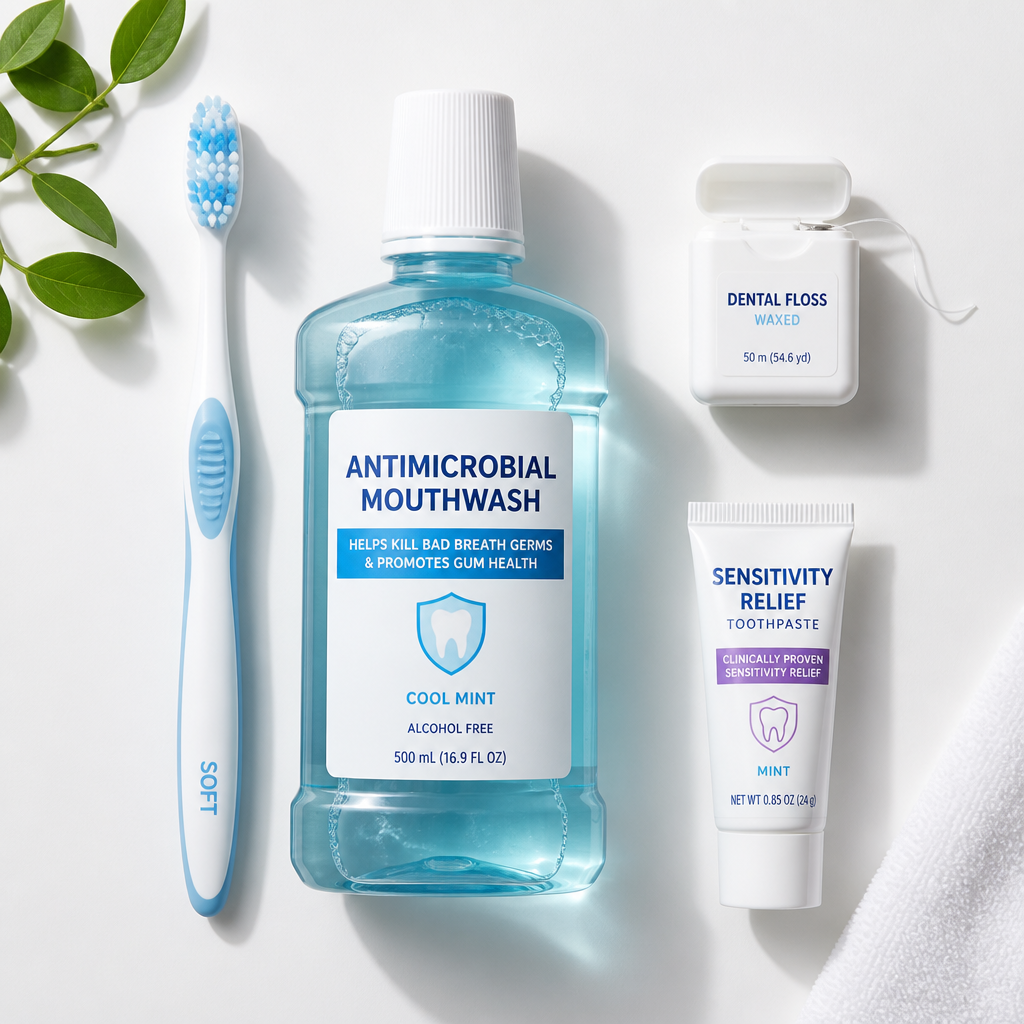
The clinical evidence supports using toothbrushes with genuinely soft bristles and small heads. A small head allows the brush to reach behind the lower incisors and around posterior teeth where gingival overgrowth tends to be worst. Soft bristles clean adequately without traumatising already-compromised tissue. Research suggests powered toothbrushes offer a modest advantage in plaque removal over manual brushes, but both are acceptable provided technique is sound and the bristles are soft.
Fluoride Strength: Matching the Product to the Risk
Epilepsy patients who are on long-term AEDs, have established gingival disease, or are experiencing medication-related dry mouth fall into a high decay-risk category. This is not a group for whom a basic low-fluoride toothpaste is appropriate. In the UK, standard adult toothpaste contains 1,450 ppm fluoride, which is the correct minimum for this population. For patients assessed as very high risk, a higher fluoride concentration may be clinically indicated and should be discussed with their dental team.
oraNurse’s unflavoured, non-foaming toothpaste is specifically formulated for patients who cannot tolerate the sensory experience of standard products. Available in multiple fluoride strengths, it removes the barrier of strong mint flavours or overwhelming foam for patients who have sensory sensitivities, autism spectrum conditions, or medication-related oral discomfort. This is exactly the kind of patient who attends special care dentistry clinics.
Fingertip Brushes for Patients with Limited Cooperation
For patients with significant learning disabilities, high seizure frequency, or limited hand dexterity, a silicone fingertip toothbrush can make the difference between some plaque removal and none. The carer places the brush on their fingertip, allowing them to feel what they are doing and maintain better control than with a handled brush. This approach is used in community dental services and NHS healthcare settings for exactly this kind of patient. It is not a second-rate option. In the right circumstances, it is the right tool.
Pro tip: When working with carers who support epilepsy patients at home, demonstrate the fingertip brush technique during an appointment. A carer who is confident with the technique will use it consistently, which matters far more than the theoretical advantages of any specific toothbrush.
Special Care Dentistry and Epilepsy: What Clinicians Must Know
People with epilepsy are a substantial part of the caseload in special care dentistry. A third of patients managed in specialist primary care dental services are reported to be taking AEDs. These are not marginal or unusual cases. They are a core population, and the dental team’s preparedness for them is not optional.
Taking a Proper Seizure History Before Treatment
Before any dental appointment begins, the dental team should confirm the patient’s seizure type, frequency, and known triggers. Patients with controlled epilepsy are manageable in primary care settings, provided the appointment is structured sensibly. Patients should be asked whether they have taken their medication as usual, whether they have had a light meal beforehand (not arrived fasting), and whether there are specific sensory triggers such as bright overhead lights or sudden sounds. Appointments should be scheduled for the time of day when the patient feels best.
If a Seizure Occurs During Treatment
Every dental clinic should have a clear, rehearsed protocol for managing a seizure. Dental instruments should be removed from the mouth immediately. The patient should not be restrained. The dental chair should be repositioned to a safe, flat, or lateral position. Bystanders should be kept clear. Most seizures are self-limiting. The team’s role is to ensure the patient does not sustain further injury and to monitor recovery. A patient who presents with an aura or prodromal warning during an appointment should be able to alert the team immediately. Encourage patients to do so by asking them at the start of every visit.
Prosthetics and Fixed Restorations
Removable dentures and partial prosthetics carry a specific risk in patients with epilepsy: they can break during a seizure and create a choking hazard. Fixed restorations are generally the preferred option where clinically feasible. Where removable appliances are unavoidable, patients and carers should be advised to remove them before sleep if the patient has nocturnal seizures. Night guards, which some clinicians recommend to prevent bruxism and trauma, should be assessed individually since they too carry an aspiration risk in patients with frequent nocturnal seizures.
Comparing Oral Hygiene Approaches for Epilepsy Patients
| Approach | Best Suited For | Key Consideration |
|---|---|---|
| Super soft manual toothbrush with small head (such as the oraNurse super soft brush) paired with unflavoured non-foaming fluoride toothpaste | Patients with gingival hyperplasia, gum tenderness, or sensory sensitivities to flavour and foam | Removes the most common barriers to compliance. Must be combined with proper technique and regular replacement every 3-4 months. |
| Powered toothbrush with soft replacement heads and standard or high-strength fluoride toothpaste | Patients with reasonable hand dexterity and adequate seizure control who find manual brushing inefficient | Modest plaque removal advantage over manual brushing. Avoid brush heads with very firm bristles. Ensure lead and cord do not create a safety hazard. |
| Silicone fingertip toothbrush with unflavoured non-foaming fluoride toothpaste applied by a carer | Patients with significant learning disabilities, very frequent seizures, or limited cooperation who are dependent on carers for daily oral hygiene | Provides the carer with tactile control. Most effective when the carer is trained in technique and uses the brush consistently at least twice daily. |
None of these approaches works in isolation. Plaque control must be consistent, fluoride concentration must match the patient’s decay risk, and the dental team must review the routine at every appointment. The best product is the one the patient or their carer actually uses every day.
Frequently Asked Questions
Does epilepsy medication always cause gum problems?
Not every AED causes gum problems, and not every patient on a gum-affecting drug will develop severe symptoms. Phenytoin carries the highest risk of gingival overgrowth, affecting around half of long-term users. Valproic acid and carbamazepine carry different risks including dry mouth, ulceration, and, in some cases, gingival enlargement. The severity of any side effect is strongly influenced by how well plaque is controlled. Poor oral hygiene consistently makes medication-related gum problems worse.
How often should an epilepsy patient see a dentist?
Patients on AEDs, particularly those on phenytoin or with established gingival changes, should be reviewed more frequently than the standard healthy-adult interval. A six-month recall is a sensible minimum for most epilepsy patients, and some with active gingival hyperplasia or high decay risk may need quarterly reviews. The dental team should assess recall interval individually at each visit, not apply a blanket schedule.
Is fluoride toothpaste safe for patients with epilepsy?
Yes. Fluoride toothpaste is not contraindicated by epilepsy or by any AED. In fact, patients on AEDs are typically at elevated decay risk and benefit from fluoride toothpaste at the appropriate strength. The challenge for some patients is tolerability: strong mint flavours or heavily foaming formulations can create a sensory barrier that makes brushing aversive. An unflavoured, non-foaming fluoride toothpaste resolves this without compromising the protective effect of fluoride.
What should a carer know about brushing teeth for someone with epilepsy?
A carer should know the correct technique for the tool they are using, whether that is a handled soft brush or a silicone fingertip brush. They should brush at least twice daily, focusing especially on the gum margins where plaque-driven gingival overgrowth begins. They should not use strong pressure on inflamed tissue. They should use a fluoride toothpaste appropriate to the patient’s risk level, and they should report any new gum changes, swelling, or bleeding to the dental team promptly. Consistency matters more than technique perfection.
Can gum overgrowth from phenytoin be reversed?
Gingival overgrowth caused by phenytoin can partially or fully resolve if the drug is withdrawn, typically within one to three months of stopping the medication. However, medication changes must be managed by the neurologist based on seizure control, not dental considerations alone. Where the drug cannot be changed, strict plaque control slows progression and reduces severity. Severe overgrowth that has not responded to improved hygiene usually requires surgical treatment (gingivectomy), though recurrence is common if the underlying medication and hygiene factors are not addressed.
Are there oral hygiene products specifically recommended for patients with gum sensitivity?
Yes. For patients with gum tenderness, gingival hyperplasia, or sensory sensitivities, the right products are a super soft toothbrush with a small head and a non-foaming, unflavoured fluoride toothpaste. These remove the two most common physical barriers to effective brushing: bristle trauma and sensory intolerance of flavour or foam. oraNurse produces exactly these products, with fluoride strengths available for different risk levels, making them particularly suitable for use in NHS and special care dentistry settings.
Is it safe to do dental treatment on a patient with active epilepsy?
Yes, dental treatment can be carried out safely on most patients with epilepsy, including those with active seizure disorders, provided the team is prepared. This means taking a thorough seizure history before treatment, avoiding known triggers, keeping appointments short and low-stress, having a clear in-clinic seizure protocol, and ensuring the patient is accompanied. Patients with very frequent, severe, or uncontrolled seizures may need referral to a specialist in special care dentistry or treatment under sedation, assessed on a case-by-case basis.
If you support or treat a patient with epilepsy and have found a product or technique that made a real difference to their oral hygiene routine, share your experience in the comments, because the best clinical insights in special care dentistry come from practitioners doing this work every day.
We would love your feedback and any insights you would share with others. What perspective would you add?
References
- Special Care Dentistry and Epilepsy: clinical overview published in a peer-reviewed dental journal
- Dental Hygienist’s Clinical Guide to Managing and Preventing Seizures in Epileptic Patients
- Oral Care Tips for Epilepsy Patients: guidance for healthcare professionals
- Oral Health Considerations and Dental Management of Epileptic Patients: case series from PubMed Central
- Specialist Management of Routine Dental Procedures in Adults with Refractory Epilepsy, British Dental Journal