

Choosing the correct fluoride toothpaste for children with special needs is not about grabbing the first child-friendly tube off the shelf. These children often have heightened sensory sensitivities, oral motor difficulties, and higher caries risk due to medication side effects or dietary challenges. The data consistently shows that children with special healthcare needs experience dental caries at rates 3-5 times higher than their neurotypical peers. Yet most parents and caregivers receive no specific guidance on fluoride toothpaste children formulations beyond generic advice that fails to address texture aversions, swallowing reflexes, or behavioural challenges during brushing.
Table of Contents
- Quick Takeaways
- Understanding Fluoride Strength Options
- Matching Fluoride Levels to Risk Factors
- Addressing Sensory and Behavioural Barriers
- Safe Application Strategies
- Working with Healthcare Teams
- Frequently Asked Questions
- References
Quick Takeaways
| Key Insight | Explanation |
|---|---|
| Fluoride strength must match caries risk, not just age | Children with special needs often require 1000-1450ppm fluoride regardless of age due to elevated decay risk from medications, limited diet, or inadequate brushing |
| Unflavoured formulations prevent sensory overload | Strong mint or fruit flavours trigger aversion responses in children with autism, sensory processing disorders, or oral hypersensitivity |
| Non-foaming toothpaste reduces aspiration risk | Children with dysphagia or poor swallow control benefit from SLS-free formulations that eliminate foam without compromising fluoride effectiveness |
| Smear amounts still provide protection | For children who cannot spit or tolerate standard pea-sized amounts, a thin smear of 1000ppm fluoride delivers adequate protection with minimal ingestion risk |
| Consistency beats perfection | Daily application of any appropriate fluoride toothpaste, even if brushing technique is imperfect, outperforms sporadic use of “optimal” products |
| Prescription-strength options exist for high-risk cases | 2800ppm and 5000ppm formulations are available through dental professionals for children with severe decay patterns or medical complexity |
| Texture matters as much as flavour | Gritty or gel textures can cause rejection, smooth paste formulations typically achieve better acceptance in texture-sensitive children |
Understanding Fluoride Strength Options
Fluoride toothpaste comes in specific concentration bands measured in parts per million (ppm). The standard children’s range sits at 1000-1450ppm, which differs from the outdated 500-600ppm “baby toothpaste” many parents still buy. In practice, those low-fluoride formulations provide inadequate protection for children with elevated caries risk, which includes most children with special healthcare needs.
The confusion stems from historical recommendations designed around ingestion concerns. Those guidelines assumed children would swallow toothpaste and parents would use excessive amounts. Current evidence shows that 1000ppm fluoride used in appropriate quantities (a smear for under-3s, pea-sized for older children) delivers significant caries prevention with negligible fluorosis risk.
Pro tip: Check the actual ppm number on the tube, not marketing terms like “junior” or “kids” which tell you nothing about fluoride content. Many products labeled for children contain only 500ppm, which is insufficient for special needs dental care.
Standard Fluoride Concentrations
Over-the-counter options typically include 1000ppm, 1350ppm, and 1450ppm strengths. The differences between these concentrations are clinically minimal for everyday use. What matters more is consistent daily application and achieving contact time between fluoride and tooth surfaces.
Prescription formulations jump to 2800ppm (designed for high-risk children) and 5000ppm (typically reserved for adolescents and adults with active decay). These require professional assessment and supervision. A common mistake is assuming higher concentrations automatically mean better protection, but they also increase ingestion concerns if the child cannot spit reliably.
Matching Fluoride Levels to Risk Factors
Children with special needs face multiple overlapping risk factors that standard dental guidance rarely addresses. Medication-induced xerostomia (dry mouth) reduces saliva’s protective buffering capacity. Gastroesophageal reflux bathes teeth in acid. Restricted diets high in pureed foods or nutritional supplements often contain significant sugar content. Limited motor control makes thorough brushing nearly impossible.
These factors compound. A child with cerebral palsy taking anti-seizure medication who requires a gastrostomy tube for nutrition faces dramatically higher caries risk than age-matched peers. That child needs minimum 1000ppm fluoride, applied twice daily, regardless of whether they are 18 months or 8 years old.
“The caries risk assessment should drive fluoride concentration decisions, not chronological age alone. For children with special healthcare needs, assume elevated risk until proven otherwise.” – Public Health England Oral Health Guidelines
Assessing Individual Caries Risk
Look at existing decay patterns first. Any visible cavities or white spot lesions indicate high risk requiring 1450ppm fluoride minimum. Children with previous dental treatment under general anaesthetic automatically qualify as high-risk.
Consider oral hygiene capability realistically. If the child resists brushing or lacks motor skills for effective plaque removal, the fluoride must work harder to compensate. This points toward higher concentrations within safe parameters.
Evaluate medical complexity. Children with chromosomal disorders, metabolic conditions, or those requiring long-term medications generally need enhanced fluoride protection. The NHS supply chain now includes specialized formulations specifically for these populations, recognizing that standard approaches fail this group.
| Risk Category | Recommended Fluoride Strength | Application Guidance |
|---|---|---|
| Low Risk (rare in special needs population) | 1000ppm minimum | Pea-sized amount twice daily, focus on acceptance and routine establishment |
| Moderate Risk (some medical complexity, no active decay) | 1350-1450ppm | Twice daily application, consider unflavoured formulation if sensory issues present |
| High Risk (active decay, multiple risk factors) | 1450ppm standard, consider 2800ppm prescription | Twice daily minimum, possible third application, require dental team involvement |
Addressing Sensory and Behavioural Barriers
Fluoride strength becomes irrelevant if you cannot get the toothpaste into the child’s mouth. Sensory processing challenges affect approximately 70-90% of children with autism spectrum disorders and appear frequently in other developmental conditions. Standard minty toothpaste triggers overwhelming sensory responses that parents describe as genuine distress, not simple preference.
The foaming action from sodium lauryl sulphate (SLS) creates additional problems. Children interpret foam as something wrong happening in their mouth. Those with swallowing difficulties feel threatened by the sensation. The foam provides zero therapeutic benefit but creates substantial barriers to acceptance.
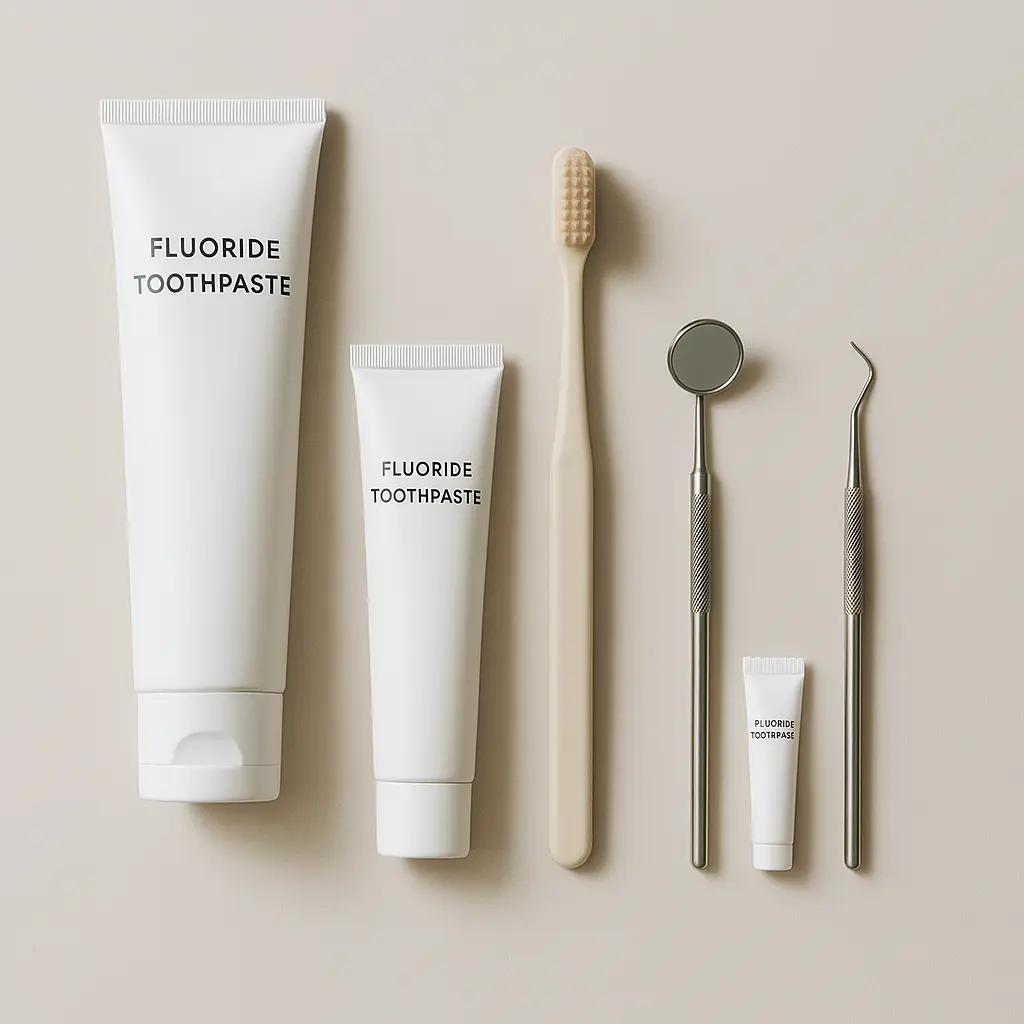
Unflavoured, non-foaming formulations eliminate both problems simultaneously. oraNurse developed these specifically for the special needs population after identifying that flavour and foam were primary rejection factors. The texture remains smooth paste consistency, the fluoride concentration reaches 1450ppm for full protection, but nothing triggers sensory alarms.
Texture and Consistency Considerations
Some children tolerate gels better than pastes, others find gels too slippery or “weird.” The only way to determine preference is systematic trial. Purchase small tubes of different textures in appropriate fluoride strengths and test one per week, noting acceptance levels.
Temperature sensitivity matters more than parents realize. Some children refuse toothpaste at room temperature but accept it slightly warmed or cooled. This seems minor until you recognize it means the difference between successful brushing and complete refusal.
Pro tip: Apply toothpaste to the brush away from the child initially, then present it for brushing. Watching the toothpaste come out of the tube triggers anticipatory anxiety in some children with sensory issues.
Safe Application Strategies
Application technique matters significantly for children who cannot spit or have limited swallow control. The standard “pea-sized amount” guideline assumes normal oral motor function and ability to rinse and spit. Many children with special needs lack these capabilities entirely.
A smear amount (thin layer across brush bristles) of 1000-1450ppm fluoride provides effective protection with minimal fluoride ingestion. Research shows this approach delivers adequate fluoride contact while keeping total fluoride intake well below safety thresholds even if completely swallowed. This directly contradicts the persistent myth that children who cannot spit should use low-fluoride toothpaste.
Managing Swallowing and Aspiration Risk
Children with dysphagia require modified approaches. Position the child upright or in their optimal feeding position, never reclined. Apply toothpaste to a finger brush or soft bristle brush and use short brushing sessions to prevent pooling of saliva and toothpaste mixture.
Non-foaming formulations dramatically reduce aspiration risk because they create no foam to accidentally inhale. The paste stays where you place it rather than creating bubbles that migrate. For children with tracheostomies or compromised airways, this distinction becomes critical.
Wipe excess toothpaste with gauze rather than relying on rinsing. This removes surplus product while leaving protective fluoride film on tooth surfaces. Healthcare professionals in hospital settings use this approach routinely for patients unable to participate in traditional oral care.
Twice Daily Application Timing
Morning and evening brushing creates optimal fluoride exposure patterns. The evening application matters most because salivary flow decreases during sleep, allowing fluoride longer contact time with enamel. If you can only achieve one successful brushing daily, make it the evening session.
Avoid brushing immediately after vomiting or reflux episodes. Wait 30-60 minutes to allow saliva to buffer the acid. Brushing acid-softened enamel causes more damage than benefit. Instead, rinse with water or use a soft finger brush with plain water for immediate cleaning.
Working with Healthcare Teams
Dentists experienced in special needs dental care think differently about fluoride recommendations. They assess medical history, medication effects, dietary patterns, and realistic oral hygiene capabilities before prescribing specific products. This assessment should happen at minimum annually, more frequently if the child’s medical status changes.
Community dental services and specialist units often provide product samples for trial. They understand that what works in theory frequently fails in practice with this population. Take advantage of these resources rather than purchasing multiple products hoping something works.
Dental hygienists provide practical technique coaching that makes the difference between theoretical knowledge and successful implementation. They can demonstrate positioning, brush selection, and application methods specific to your child’s needs. Many will do home visits for children with complex medical needs or severe anxiety.
Prescription Fluoride Options
When over-the-counter formulations prove insufficient, dentists can prescribe 2800ppm or 5000ppm toothpaste. These require specific indications: active decay despite good oral hygiene efforts, multiple restorations, or severe medical complexity creating extreme caries risk.
The prescription process involves written instructions on amount to use (typically smaller than standard to offset higher concentration) and frequency. Some dentists prescribe high-concentration fluoride for once-daily use while maintaining standard concentration for the second daily brushing.
Insurance and healthcare coverage varies. NHS dental services provide prescription fluoride toothpaste without charge for eligible patients. Private patients may face costs, though specialized suppliers like oraNurse work directly with families and healthcare facilities to ensure accessibility.
Coordinating Across Care Teams
Paediatricians, speech therapists, occupational therapists, and dietitians all hold relevant information for oral care planning. The occupational therapist knows about sensory processing and positioning. The speech therapist understands oral motor function and aspiration risk. The dietitian tracks sugar intake and feeding schedules.
Integrate oral care into existing care plans rather than treating it as separate. If the child already has a structured morning routine managed by occupational therapy, embed tooth brushing at the optimal point. If feeding therapy addresses oral aversion, align toothbrushing desensitization with those efforts.
Frequently Asked Questions
Can children who cannot spit use fluoride toothpaste safely?
Yes, children who cannot spit can safely use 1000-1450ppm fluoride toothpaste when applied in appropriate amounts. A smear for children under three and pea-sized amount for older children delivers protection with negligible fluorosis risk even if swallowed. The outdated practice of restricting these children to low-fluoride or fluoride-free toothpaste leaves them vulnerable to decay. Non-foaming formulations reduce the urge to swallow excess product.
What fluoride strength should I use for a child with autism who refuses minty toothpaste?
Use unflavoured toothpaste containing 1000-1450ppm fluoride. Standard flavoured toothpastes trigger sensory overload in many children with autism spectrum disorders, creating genuine distress rather than simple dislike. Unflavoured, non-foaming formulations like those developed specifically for sensory sensitivities eliminate the overwhelming taste and texture while maintaining full fluoride protection. This typically transforms tooth brushing from a battle into a manageable task.
How much toothpaste should I use for a child with cerebral palsy and swallowing difficulties?
Use a thin smear of 1000-1450ppm fluoride toothpaste regardless of the child’s age. This provides adequate fluoride protection while minimizing the amount to swallow. Position the child upright in their optimal seating position, use a soft brush or finger brush, and consider non-foaming formulation to reduce pooling and aspiration risk. Wipe excess toothpaste with gauze rather than relying on rinsing, which many children with cerebral palsy cannot manage effectively.
When should a child with special needs use prescription-strength fluoride toothpaste?
Prescription-strength fluoride (2800ppm or 5000ppm) becomes necessary when children show active decay despite appropriate use of standard fluoride toothpaste, have multiple existing restorations, or face severe medical complexity creating extreme caries risk. Dentists assess medication effects (particularly those causing dry mouth), dietary limitations, gastroesophageal reflux, and realistic oral hygiene capabilities before prescribing higher concentrations. This decision requires professional evaluation rather than parent initiation.
Is fluoride-free toothpaste ever appropriate for children with special healthcare needs?
No. Fluoride-free toothpaste fails to provide decay protection, and children with special healthcare needs face higher caries risk than their peers. The concerns about fluoride ingestion that drive some parents toward fluoride-free options are addressed through appropriate amount (smear or pea-sized) rather than eliminating fluoride entirely. Even children with severe swallowing difficulties benefit from fluoride toothpaste applied in thin smears. The decay consequences of avoiding fluoride far outweigh theoretical ingestion concerns when proper application methods are followed.
How do I transition a child from low-fluoride baby toothpaste to proper strength?
Make an immediate switch rather than gradual transition. The taste and sensation differences between 500ppm and 1000-1450ppm are minimal, particularly with unflavoured formulations. Most resistance comes from parental anxiety about the change rather than child objection. Apply the new toothpaste in the same routine, same amount, same brush. If the child previously tolerated tooth brushing, they will typically accept the new paste within one to three sessions. If significant resistance occurs, the problem is likely flavour or foam, not fluoride concentration, pointing toward unflavoured non-foaming options.
Can I use adult toothpaste for my teenager with special needs?
Yes, if it contains 1350-1450ppm fluoride and the teenager tolerates the formulation. Adult toothpastes typically contain stronger flavours and more aggressive foaming agents, which may cause problems for teenagers with sensory sensitivities despite their age. The fluoride concentration in standard adult toothpaste (1450ppm) is appropriate for teenagers with special needs. However, many teenagers benefit from continuing with unflavoured, non-foaming formulations designed for sensory sensitivities rather than switching to standard adult products simply because of age.
What has been your experience choosing fluoride toothpaste for children with sensory sensitivities or oral motor challenges? Share your strategies in the comments to help other parents and caregivers navigate these decisions.
We would love your feedback and any insights you would share with others. What perspective would you add?