
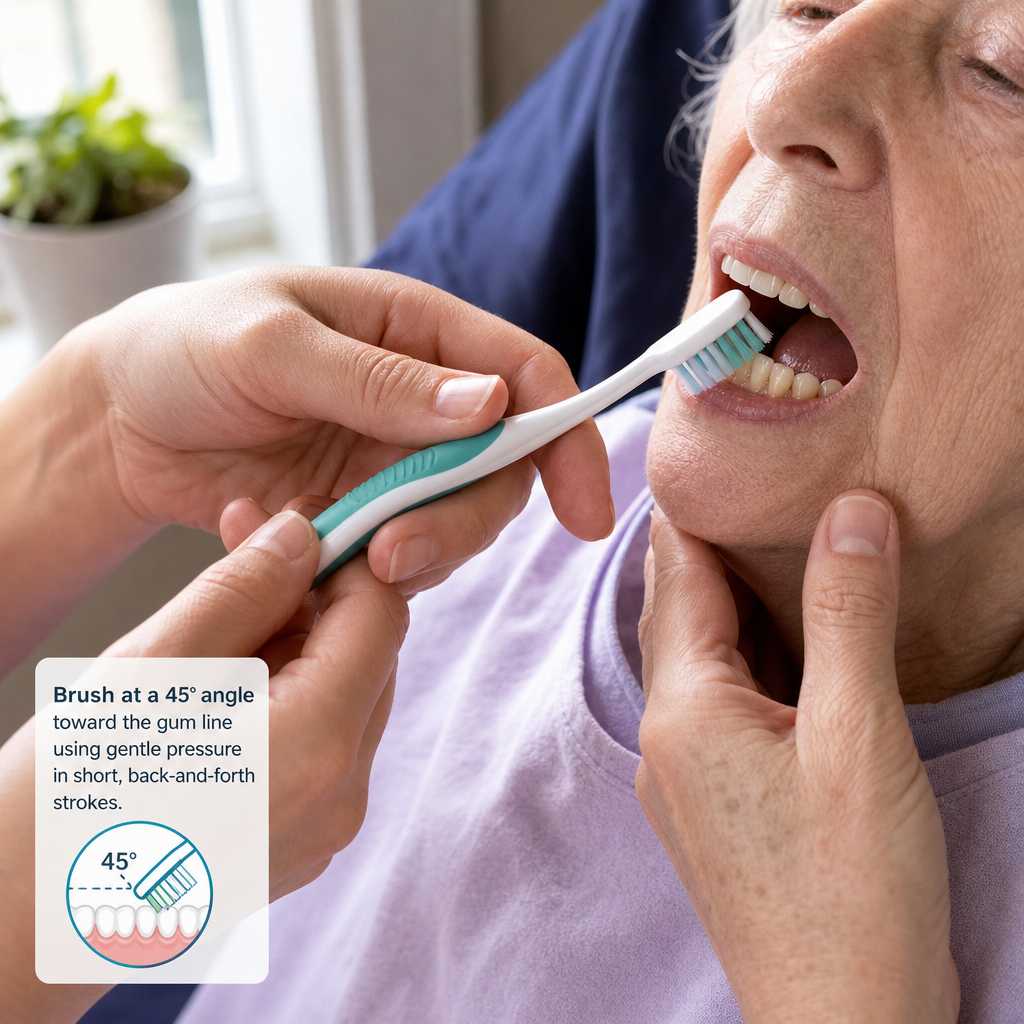
Stroke survivors face a largely overlooked health crisis: their oral hygiene deteriorates rapidly after a stroke, and most care settings are not equipped to address it properly. Research published by the Stroke Association estimates that over 100,000 people in the UK have a stroke each year, and a significant proportion develop dysphagia, facial weakness, or cognitive changes that make standard oral care routines impossible without assistance. Stroke oral care is not a soft priority. Neglecting it directly increases the risk of aspiration pneumonia, which remains one of the leading causes of post-stroke death. Carers and therapists need a practical, evidence-informed approach, and this guide delivers exactly that.
Table of Contents
- Quick Takeaways
- Why Oral Care Is Different After Stroke
- Assessing the Stroke Survivor Before Starting Oral Care
- Choosing the Right Tools for Stroke Oral Care
- Toothpaste Selection: Why Formulation Matters
- Step-by-Step Assisted Brushing Technique
- Comparing Oral Care Approaches for Stroke Survivors
- Oral Care for Special Needs: Beyond Brushing
- Frequently Asked Questions
- References
Quick Takeaways
| Key Insight | Explanation |
|---|---|
| Aspiration risk is the top priority | Foam from standard toothpastes can be aspirated into the lungs in stroke survivors with swallowing difficulties. Non-foaming toothpaste significantly reduces this risk. |
| Flavour sensitivity is common post-stroke | Altered taste perception and sensory hypersensitivity mean many survivors cannot tolerate mint or menthol. Unflavoured toothpaste removes a major barrier to compliance. |
| Soft toothbrush with a small head is non-negotiable | Facial palsy and limited mouth opening make standard brush heads too large and potentially painful. A soft toothbrush with a compact head reaches all surfaces without trauma. |
| Positioning affects safety as much as technique | Survivors should be positioned upright at a minimum 45-degree angle during oral care to reduce aspiration risk, not laid flat in bed. |
| Fluoride strength should match caries risk | Post-stroke patients on multiple medications often experience dry mouth, dramatically increasing cavity risk. Higher fluoride formulations are often clinically appropriate. |
| Fingertip toothbrushes serve a specific role | For patients who are highly resistant or have a strong bite reflex, a silicone fingertip toothbrush gives the carer better tactile control and reduces injury risk to both parties. |
| Consistency matters more than perfection | Twice-daily assisted oral care, even if incomplete, is far superior to infrequent thorough attempts. Build it into the care routine as firmly as medication administration. |
Why Oral Care Is Different After Stroke
Stroke does not simply limit arm movement. It creates a constellation of impairments that make every aspect of oral hygiene more complex and more consequential. Understanding these impairments is the first step to adapting care effectively.
Dysphagia affects approximately 50% of stroke survivors in the acute phase, according to the Royal College of Physicians national clinical guidelines for stroke. The inability to swallow safely transforms something as routine as toothpaste foam into a genuine aspiration hazard. Standard toothpastes that produce significant foam are inappropriate for this group, full stop.
Hemiplegia and reduced upper limb function mean most survivors cannot reliably manage their own brushing, even if they were highly independent before. Carers fill this gap, but without proper technique and the right equipment, the oral care provided is often superficial and occasionally harmful to fragile gum tissue.
Cognitive and communication changes complicate things further. A survivor who cannot express discomfort, or who becomes agitated during oral care, presents a real challenge. This is where the choice of products, the approach taken, and the carer’s confidence all intersect.

Assessing the Stroke Survivor Before Starting Oral Care
Before a single brush stroke, carers and therapists must conduct a brief but structured assessment. This is not bureaucratic box-ticking. It is the foundation of safe, effective stroke oral care.
Swallowing Status and Aspiration Risk
Confirm whether the patient has been assessed for dysphagia by a speech and language therapist. If there is any unresolved risk of aspiration, non-foaming toothpaste is mandatory, not optional. Do not wait for a formal dysphagia clearance before switching away from conventional foaming products.
Check whether the patient can follow simple instructions like “spit” or “open your mouth.” This shapes the entire approach. Patients who cannot reliably spit should be managed with minimal toothpaste quantity and suction if available in a clinical setting.
Facial and Oral Muscle Function
Look for facial droop, reduced lip closure, or a unilateral weakness. These affect where plaque accumulates most. The affected side of the mouth is almost always more neglected because sensation is reduced there. The carer must pay deliberate extra attention to that side, not assume even coverage is happening.
Assess mouth opening. Limited jaw movement may mean a standard toothbrush head simply cannot reach posterior teeth. A small-headed brush is not a preference here, it is a clinical necessity.
Medication-Related Oral Changes
Post-stroke medication regimens frequently include anticoagulants, antihypertensives, and antidepressants. Many of these cause xerostomia (dry mouth), which dramatically elevates caries risk. In practice, a survivor who was cavity-free before their stroke can develop multiple new cavities within months if oral care is inadequate and saliva flow is reduced by medication. Identify this risk early and adjust the fluoride concentration of the toothpaste accordingly.
Choosing the Right Tools for Stroke Oral Care
The equipment used for oral care after stroke is not interchangeable with standard consumer products. The differences matter clinically, and making the wrong choice increases both the difficulty of providing care and the risk to the patient.
Why a Soft Toothbrush with a Small Head Is the Standard of Care
A soft toothbrush is universally recommended for individuals with compromised gum health, limited mouth opening, or sensory sensitivities following neurological events. The bristle softness is not about being gentle for comfort alone. Firm bristles on inflamed or poorly perfused gum tissue cause micro-trauma, bleeding, and pain that makes the patient resist future care attempts.
The head size is equally important. Standard adult toothbrush heads are too large to manoeuvre effectively in a partially opened or asymmetric mouth. A small head gives the carer far greater control and allows access to posterior teeth without forcing the jaw wider than is comfortable.
oraNurse’s super soft toothbrush with a small head is specifically designed for patients in exactly this situation. It is not a product rebranded for a niche market. It is built from the ground up for clinical oral care in sensitive and complex patient groups.
When to Use a Silicone Fingertip Toothbrush
Some stroke survivors, particularly those with significant cognitive impairment or a biting reflex, present a physical risk to carers using a handled toothbrush. A silicone fingertip toothbrush places the cleaning surface directly on the carer’s fingertip, giving them proprioceptive feedback about pressure and position that a handled brush cannot provide.
This tool is not a replacement for a bristled toothbrush in most cases. It is a starting point for highly resistant patients, or a supplementary tool for cleaning the buccal surfaces and gum margins in patients who clench.
Pro tip: When introducing oral care to a resistant stroke survivor, start with the fingertip toothbrush dry, with no toothpaste, for the first two to three sessions. Focus purely on building tolerance before adding the full routine.
Toothpaste Selection: Why Formulation Matters
Most clinical guidance on post-stroke oral care acknowledges the importance of toothpaste fluoride content, but fewer sources address the formulation characteristics that directly affect safety and compliance in this patient group.
The Foam Problem
Standard toothpastes contain sodium lauryl sulphate (SLS), which produces the foaming action most people associate with effective cleaning. That foam serves no clinical purpose in plaque removal. It is a sensory expectation. In a stroke survivor with dysphagia, that foam becomes a pool of fluid that can be silently aspirated into the airway, triggering aspiration pneumonia.
Non-foaming toothpaste eliminates this risk entirely. It also stays where it is placed during brushing, making it easier for the carer to control the amount used and where it goes.
The Flavour Barrier
Strong mint or menthol flavours are a significant barrier to compliance in many post-stroke patients. Altered sensory processing following a neurological event can make flavours that were previously tolerable feel overwhelming or aversive. This causes patients to resist, spit prematurely, or refuse care altogether.
Unflavoured toothpaste removes this obstacle entirely. oraNurse unflavoured non-foaming toothpaste is available in multiple fluoride concentrations, including formulations appropriate for high-caries-risk patients on xerostomia-inducing medications. This is the kind of product specificity that makes a real difference in daily care delivery.
“Oral health is a fundamental right and an integral part of overall health. For people with disabilities or complex needs, it requires specialised approaches that standard dental care models are not designed to deliver.” — NHS England Oral Health Improvement Programme
Fluoride Concentration and Post-Stroke Risk
Standard toothpaste contains 1000 to 1450ppm fluoride, which is appropriate for healthy adults. OraNurse offers formulations across this entire range, making it practical to match the product to the individual’s clinical profile rather than defaulting to whatever is cheapest on the ward supply list.

Step-by-Step Assisted Brushing Technique
Technique matters as much as tools. A carer using the right brush but the wrong approach will still leave significant plaque on the affected side, miss the gum margins, and potentially cause discomfort that reduces the patient’s cooperation over time.
Positioning Before You Begin
Position the patient upright or at a 45-degree angle minimum. Never attempt oral care with a patient lying flat. Place a towel or bib at chest level. If working in a care home or hospital setting, ensure suction is accessible if the patient has confirmed dysphagia.
Stand slightly to one side rather than directly in front of the patient. This gives you better access to both sides of the mouth and feels less confrontational to a patient who may be anxious or confused.
The Brushing Sequence
Apply a small amount of toothpaste, approximately a pea-sized amount or less for patients with swallowing difficulties. Begin on the outer surfaces of the unaffected side, then move to the affected side where plaque accumulation is highest. Work systematically: outer surfaces, inner surfaces, chewing surfaces.
Use small circular movements rather than scrubbing. Angle the bristles at 45 degrees to the gum margin to clean just below the gumline. This takes approximately two minutes total. Do not rush it. Two minutes of careful brushing is worth more than four minutes of ineffective scrubbing.
Managing Spit and Residue
For patients who cannot spit, use a minimal amount of toothpaste and have a damp cloth or gauze ready to remove excess. Non-foaming toothpaste significantly reduces the volume of residue to manage. Do not use water rinses if swallowing is unsafe. The fluoride residue left on teeth after brushing without rinsing is actually beneficial, so the absence of a rinse is not a clinical problem.
Pro tip: Document each oral care session briefly in the patient’s care notes, including any observations about gum bleeding, mouth ulcers, or changes in the patient’s response to the routine. These records help spot problems early and demonstrate that oral care is being taken seriously as part of the care plan.
Comparing Oral Care Approaches for Stroke Survivors
Not all approaches to post-stroke oral care are equal. The table below compares three distinct approaches carers and therapists encounter in practice.
| Approach | Clinical Suitability for Stroke Survivors | Key Limitations |
|---|---|---|
| Standard consumer toothpaste and toothbrush (e.g., typical supermarket products) | Poor. Foaming agents create aspiration risk. Standard brush heads are too large for restricted jaw opening. Mint flavours often intolerable. | Not formulated for this patient group. SLS foaming, large head, strong flavouring all create barriers to safe and effective care. |
| Oral foam swabs alone | Inadequate as a standalone. Swabs moisten and freshen the mouth but do not remove plaque mechanically. Used widely in some care settings but not a substitute for brushing. | No evidence base for plaque removal. Creates false reassurance that oral care has been delivered. Should supplement brushing, not replace it. |
| oraNurse non-foaming unflavoured toothpaste with super soft small-head toothbrush or silicone fingertip brush | Strong. Eliminates foam aspiration risk. Unflavoured formulation removes sensory barriers. Small head and ultra-soft bristles are appropriate for compromised gum tissue and restricted access. | Requires carer training to use effectively. May need to be specifically requested if not on standard ward formulary, though oraNurse is available via NHS supply chain. |
Oral Care for Special Needs: Beyond Brushing
Oral care for special needs patients, including stroke survivors, extends beyond the mechanics of brushing. It encompasses the full oral environment: denture care, lip hydration, tongue cleaning, and the ongoing monitoring that prevents small problems from becoming serious ones.
Denture Care After Stroke
A significant proportion of stroke survivors, particularly older adults, wear full or partial dentures. Ill-fitting dentures post-stroke are extremely common because facial muscle changes and weight loss alter the shape of the mouth. Ill-fitting dentures cause sores, infection, and difficulty eating, which compounds nutritional problems already common after stroke.
Remove dentures nightly and clean them with a denture brush and non-abrasive cleaner. Store them in water or appropriate denture solution. Check the soft tissue underneath regularly for pressure sores or fungal infection. Report any changes to the dental team or GP promptly.
Lip and Oral Mucosa Hydration
Mouth breathing, oxygen therapy, and dehydration all dry out the oral mucosa after stroke. Cracked lips and a dry mouth are not just uncomfortable. They break down the mucosal barrier that protects against infection. Use a water-based lip moisturiser and keep the mouth moist with small, frequent sips of water if swallowing is safe, or with damp swabs if it is not.
Monitoring and Referring On
In practice, carers are often the first to notice changes in a stroke survivor’s mouth because they are providing daily oral care. A common mistake is assuming that anything observed in the mouth should wait for a dental appointment that may be months away. Mouth ulcers that do not heal within two to three weeks, white or red patches, unusual swellings, or significant bleeding should prompt an urgent referral. The carer’s observations carry real diagnostic weight.
A structured referral pathway, including who to contact and what information to provide, should be part of every stroke care team’s oral health protocol.
Frequently Asked Questions
How often should oral care be provided for a stroke survivor?
Twice daily is the minimum clinical standard, matching the brushing frequency recommended for the general population. For high-risk patients with severe dry mouth, significant plaque accumulation, or active gum disease, more frequent attention to oral hygiene may be appropriate and should be discussed with a dentist or hygienist who specialises in special care dentistry.
Is it safe to use fluoride toothpaste if the patient cannot spit reliably?
Yes, at the concentrations used in standard toothpaste (up to 1450ppm), fluoride toothpaste is safe even if small amounts are swallowed. The risk is not from fluoride ingestion at these concentrations but from foaming toothpaste being aspirated into the airway. Non-foaming toothpaste with appropriate fluoride content is the correct solution, not abandoning fluoride protection entirely.
What should a carer do if a stroke survivor refuses oral care?
Refusal is often a response to pain, fear, or sensory overload, not stubbornness. First, rule out oral pain as a cause. Then simplify the approach: start with a dry fingertip toothbrush, choose unflavoured toothpaste, ensure comfortable positioning, and build tolerance gradually. If refusal persists and oral health deteriorates, escalate to the care team and request input from a special care dentist or occupational therapist experienced in post-stroke care.
Can stroke survivors with a biting reflex be helped safely?
Yes. A silicone fingertip toothbrush is safer in this situation than a handled toothbrush because the carer has better control and can withdraw quickly if biting occurs. Prop devices designed for oral care can help maintain safe mouth opening, but these should only be used by trained staff familiar with their correct application. Never use fingers unprotected in the mouth of a patient with a biting reflex.
Should mouthwash be used as part of post-stroke oral care?
For most stroke survivors with dysphagia, liquid mouthwash presents an aspiration risk and should be avoided unless the patient has been cleared for safe swallowing and can reliably spit. Where an antiseptic effect is needed, chlorhexidine gel applied with a toothbrush or swab is a safer alternative. Alcohol-based mouthwashes should additionally be avoided because they worsen dry mouth, which is already a problem in this patient group.
How does oraNurse toothpaste differ from standard clinical-use toothpastes?
oraNurse toothpaste is specifically formulated without SLS (to eliminate foaming), without flavouring (to remove sensory barriers), and is available across multiple fluoride concentrations including 1000ppm, and 1450ppm. This allows clinicians and carers to match the product precisely to the patient’s caries risk and tolerance. Many clinical-use toothpastes address one of these factors but not all three simultaneously.
If you are a carer, therapist, or healthcare professional working with stroke survivors, share your experience with post-stroke oral care in the comments or reach out to us directly. What has worked in your practice, and what challenges are you still navigating?
References
- Stroke Association: statistics, survivor support resources, and clinical guidance on post-stroke health management
- Royal College of Physicians: national clinical guidelines for stroke, including recommendations on dysphagia assessment and oral care protocols
- Public Health England: oral health guidance including fluoride recommendations for high-caries-risk patients
- NICE: clinical guidelines and evidence reviews covering oral health in care homes and for adults with complex needs
- NHS England: oral health improvement programme resources and guidance for care providers and clinical commissioning groups