
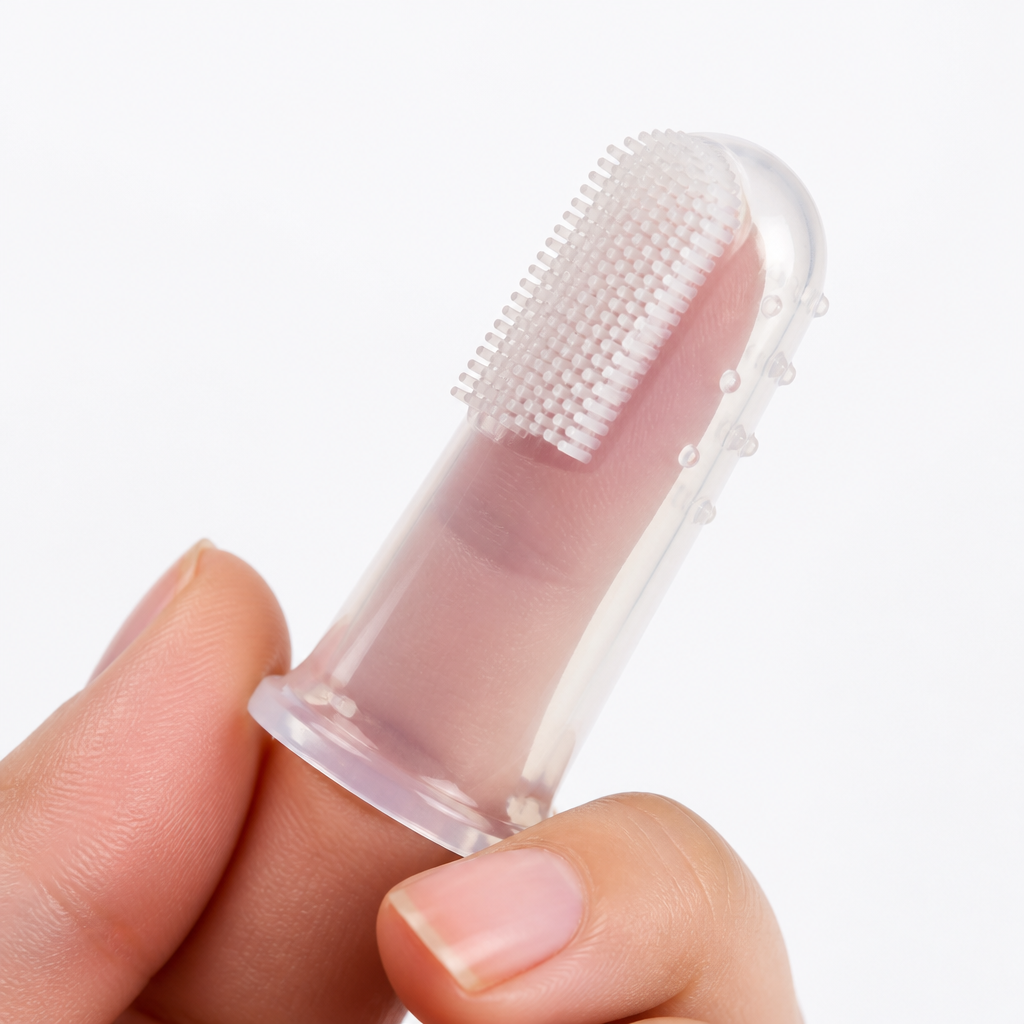
Most parents know they need to start brushing their baby’s gums and first teeth early, but many reach for the wrong tool at the wrong stage. A silicone fingertip toothbrush is not just a novelty infant gadget. Used correctly, it is the single most effective way to introduce oral care to babies, and it is equally valuable for carers supporting vulnerable adults who cannot manage a standard toothbrush. The difference between a child who accepts toothbrushing readily and one who battles it every night often comes down to what was used in those first months. This guide covers everything parents and carers need to make that choice well.
Table of Contents
- What Is a Silicone Fingertip Toothbrush?
- Quick Takeaways
- When to Start: Babies and Gum Cleaning
- How to Use a Silicone Fingertip Toothbrush
- Fingertip Toothbrush for Vulnerable Adults
- Choosing the Right Size and Product
- Toothbrush Type Comparison
- Common Mistakes to Avoid
- Frequently Asked Questions
- References
What Is a Silicone Fingertip Toothbrush?
A silicone fingertip toothbrush is a small, thimble-shaped cleaning tool made from soft, flexible silicone that slips over an adult’s fingertip. The outer surface features short silicone bristles or nodules for cleaning teeth and gums, and many designs include a dimpled or textured reverse side for massaging soft tissue. There is no handle, no rigid structure, and no mechanical parts.
That simplicity is precisely what makes it effective. The person doing the cleaning has complete tactile feedback through their fingertip, something a handled toothbrush cannot provide. You can feel how much pressure you are applying, where you are cleaning, and whether the baby or patient is tensing up. This level of control changes the entire experience for both parties.
Quick Takeaways
| Key Insight | Explanation |
|---|---|
| Start before the first tooth appears | Using a fingertip brush on bare gums from birth normalises the sensation of mouth cleaning before teeth ever arrive, making later toothbrushing far less likely to be resisted. |
| Size matters for adults, not just babies | Most fingertip brushes on the market are designed for infants only. The oraNurse fingertip toothbrush comes in three adult-appropriate sizes, which makes it a legitimate tool for carer-assisted oral hygiene. |
| Fingertip control reduces patient distress | Carers who use a fingertip brush feel exactly how much pressure is applied through the finger. This is clinically important for patients with dementia or severe cognitive impairment who cannot communicate discomfort. |
| Pair with unflavoured toothpaste for sensory-sensitive users | Strong mint flavours trigger refusal in a significant proportion of babies and in many adults with dementia or sensory processing differences. Unflavoured toothpaste removes this barrier entirely. |
| It is a transition tool, not a permanent solution for most users | For babies, the goal is to move toward a small-headed soft toothbrush as soon as teeth begin to erupt properly. For many adults, the fingertip brush is the appropriate long-term tool. |
| Silicone is gentle on gum tissue and non-toxic | Medical-grade silicone does not irritate inflamed or tender gum tissue, will not scratch enamel, and is safe if the baby chews on it during use, which they will. |
| Available through NHS supply chains | Healthcare settings including care homes and community dental services can procure fingertip toothbrushes through NHS supply chain partnerships, ensuring consistent availability rather than relying on retail stock. |
When to Start: Babies and Gum Cleaning
The standard guidance is clear: toothbrushing should begin as soon as the first tooth appears, which typically happens around six months of age. What is less well communicated is what to do before that first tooth arrives. The answer is to start oral care from birth using a clean damp fingertip or a soft silicone fingertip brush, with no toothpaste needed at this stage. This is not about removing plaque. It is about making the sensation of something touching the gums and teeth entirely unremarkable to the child.
Babies who have experienced gentle gum massaging with a fingertip brush from early on accept the introduction of a toothbrush with far less resistance. The ones who have never had anything in their mouth besides milk are the ones who clamp down, turn away, and make brushing a nightly battle by the time they have a mouth full of teeth.
The gum-cleaning phase (birth to first tooth)
Before any teeth appear, the focus is entirely on habituation. Slip a clean, damp silicone fingertip toothbrush over your index finger and gently rub along the gum ridges. No toothpaste is needed. The goal is for the baby to associate the feeling of gum cleaning with something calm and routine rather than something surprising and unpleasant. Keep sessions short, under two minutes, and do it at the same point in the bedtime routine so the context becomes familiar.
The first tooth phase (approximately six months onward)
Once the first tooth erupts, a smear of fluoride toothpaste at a minimum of 1,000ppm should be introduced. The fingertip toothbrush can continue to be used at this stage because the small contact surface and the parent’s ability to feel what they are touching makes it ideal for cleaning around a single emerging tooth without disturbing the surrounding gum tissue. As more teeth arrive and the child becomes more comfortable, transition to a small-headed soft toothbrush with proper bristles designed for interproximal cleaning.
Pro tip: Always brush your own teeth first while the baby watches. Babies and toddlers learn by imitation, and seeing an adult brushing without drama is one of the most effective ways to normalise the habit before you ever touch the child’s mouth.
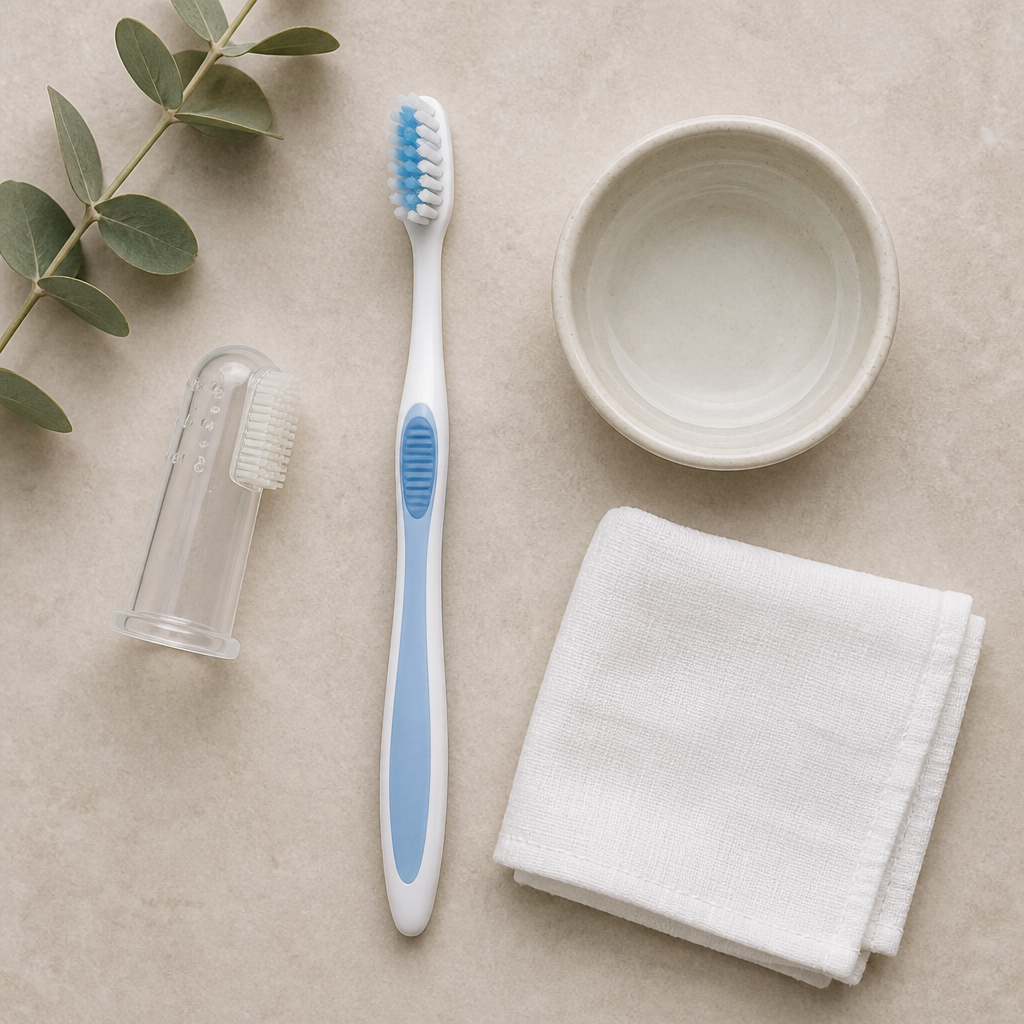
How to Use a Silicone Fingertip Toothbrush
Correct technique is straightforward but matters more than most parents expect. The common mistake is using too much pressure and too much speed, treating the fingertip brush like a miniature conventional toothbrush. It is not. It works through gentle contact and the combination of the silicone texture with circular or small sweeping motions.
Step-by-step for parents cleaning a baby’s mouth
Slide the brush firmly onto your index finger. If the fit feels loose, try a smaller size. A brush that shifts around on your finger gives imprecise contact and can slip unexpectedly. Wet the brush lightly. For pre-tooth gum cleaning, no toothpaste is needed. Once teeth have arrived, apply a smear of appropriate fluoride toothpaste. Position the baby sitting on your knee, facing away from you with their head resting against your chest. This gives you clear visibility and a stable working position.
Use small circular motions along the gum line and over any erupted tooth surfaces. Pay particular attention to the back of the lower front teeth, where calculus deposits begin earliest in most children. The whole clean should take under two minutes. Do not rinse the mouth afterward. Spitting out excess toothpaste is fine for older children, but rinsing removes the fluoride benefit entirely.
The teething benefit
A silicone fingertip toothbrush provides genuine relief during teething because the soft silicone nodules or bristles offer counterpoint pressure on swollen gum tissue. Many parents find that a baby who is fussy about having their gums touched when teething actively welcomes the fingertip brush because of the massaging sensation. This is a practical advantage worth remembering when teething coincides with the early stages of building the brushing habit.
Pro tip: If your baby consistently bites down on the fingertip brush during use, do not try to withdraw it immediately. Allow them to chew briefly, then gently resume cleaning. Pulling away quickly triggers the biting reflex more strongly and makes the session more stressful for both of you.
Fingertip Toothbrush for Vulnerable Adults
Mouth care is a fundamental aspect of personal care, yet it is one of the most commonly omitted in care settings. Poor oral hygiene is directly linked to aspiration pneumonia, one of the leading causes of preventable death in care home residents.
NHS England, Mouth Care Matters programme
Fingertip toothbrushes are almost exclusively marketed for infants in the UK. This is a serious gap in how the product is understood, because the case for using a fingertip toothbrush with vulnerable adults is substantial and clinically well-grounded. Adults who cannot tolerate a conventional toothbrush, whether due to severe gag reflex, significant cognitive impairment, profound physical disability, or extreme dental anxiety, are precisely the population that loses out most when oral hygiene is skipped.
Dementia and cognitive impairment
Residents in late-stage dementia or with severe cognitive impairment will frequently clench their teeth or bite down reflexively when a standard toothbrush is introduced into the mouth. The rigid handle of a conventional brush makes this moment dangerous. A silicone fingertip toothbrush worn by the carer removes the handle from the equation entirely and allows the carer to maintain cleaning contact even if the patient bites down, without risk of injury or broken equipment.
The carer’s fingertip remains in contact with the gum and tooth surfaces throughout, which means cleaning continues rather than stopping at the moment of resistance. This is not a compromise. It is the clinically appropriate tool for this specific context.
Post-operative and sensitive oral conditions
After dental surgery, extractions, or in the presence of extremely tender or inflamed gum tissue, the precision and gentleness of a silicone fingertip brush makes it appropriate where a standard brush, even a super soft one, would be too aggressive. The carer or patient can control contact with a degree of precision that is simply not possible with a handled implement.
For adults who are being slowly reintroduced to oral hygiene after a period of avoidance or dental anxiety, the fingertip brush serves as a desensitisation step. It is less threatening than a conventional toothbrush and more controllable. In practice, patients who initially refuse any toothbrush often accept the fingertip tool because it does not feel like a dental instrument being directed at them.
Choosing the Right Size and Product
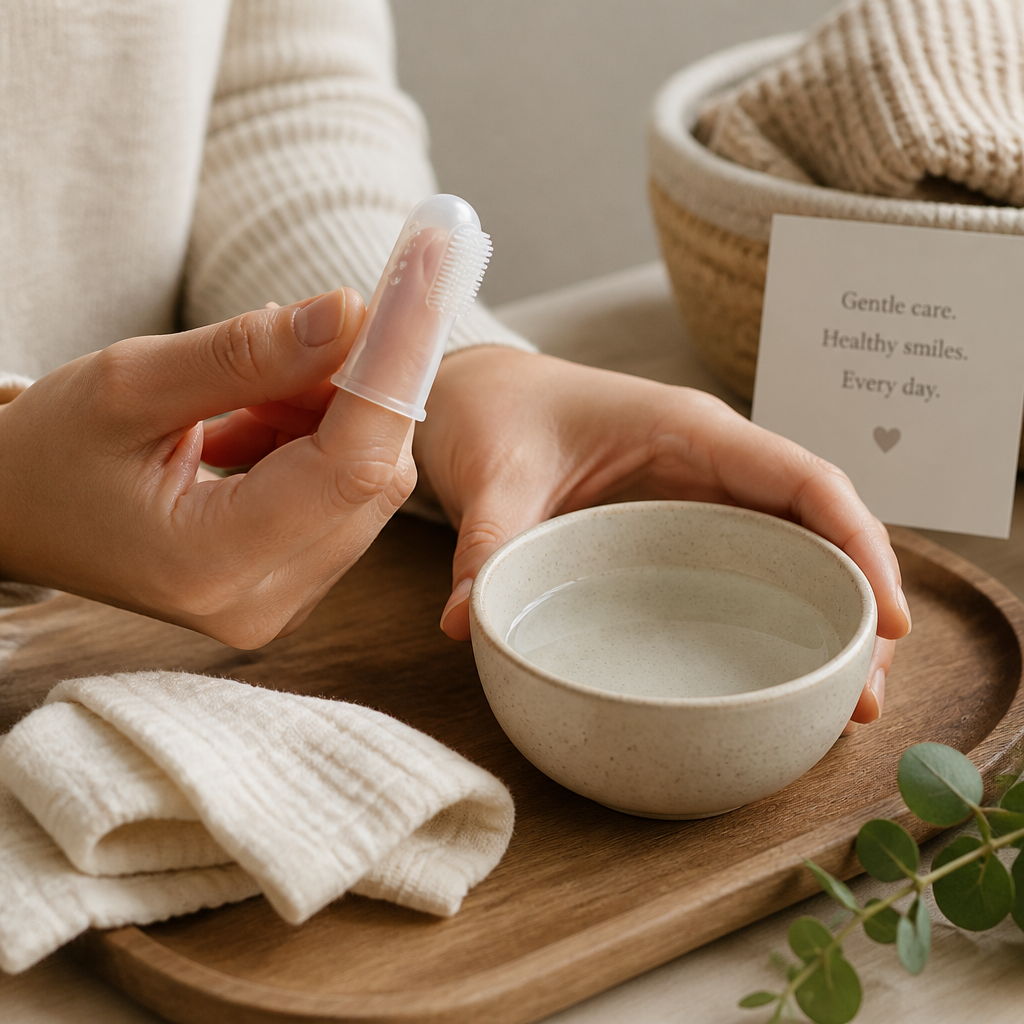
Most retail fingertip brushes are sized one size only, fitting a small finger. Using one of these on a finger that doesn’t fit is unsafe and ineffective: the brush slips, the fit is imprecise, and control is lost. This is why choosing a product designed with multiple sizes matters.
The oraNurse Fingertip Toothbrush is made from 100% soft silicone and is available in three sizes. Small fits a finger circumference of 15-17mm, medium fits 17-19mm, and large fits 19-21mm. For carer-assisted use, the correct fit is the one that holds firmly on the carer’s index finger without shifting during cleaning.
Pairing with the right toothpaste
The choice of toothpaste is not a secondary consideration. For babies, a smear of toothpaste at 1,000ppm fluoride minimum should be used from the first tooth. For adults with sensory sensitivities, including many care home residents, flavour is the most common reason oral hygiene is refused. Unflavoured, non-foaming toothpaste such as the oraNurse range removes both the sensory triggers of strong mint and the discomfort of excessive foam in a patient who cannot rinse independently. This pairing, a silicone fingertip toothbrush with unflavoured toothpaste, is the most effective combination for the most resistant patients.
Hygiene and replacement
Silicone is easier to clean than nylon bristles and resists bacterial growth well, but it is not invincible. Rinse thoroughly under running water after each use. For care home settings, each resident must have their own clearly labelled fingertip brush, and replacement should be built into the care plan at regular intervals. Check for tearing or deformation of the silicone before each use, particularly in settings where patients bite down during cleaning.
Toothbrush Type Comparison
Understanding where the fingertip toothbrush fits in relation to other tools helps parents and carers make the right choice for each stage or patient need. The table below compares the three most relevant options across the situations covered in this guide.
| Tool | Best Suited For | Key Limitation |
|---|---|---|
| Silicone Fingertip Toothbrush (e.g. oraNurse, available in three sizes) | Pre-tooth gum cleaning in babies, early tooth eruption, carer-assisted cleaning for cognitively impaired adults, patients who resist handled brushes, post-operative sensitivity | Does not reach interproximal surfaces between teeth as effectively as bristled brushes. Not a long-term standalone solution for adults who can manage a conventional brush. |
| Super Soft Small-Headed Toothbrush (e.g. oraNurse super soft range) | Children from approximately one year old onward, adults with tender or receding gums, patients transitioning away from fingertip cleaning, everyday oral hygiene for sensitivity-prone individuals | Requires some patient cooperation and tolerance of a rigid handle. Less suitable for patients who bite down reflexively or have extreme gag reflex. |
| Standard Adult Toothbrush | Healthy adults with no gum sensitivity, adequate dexterity, no cognitive impairment, and no sensory processing concerns | Too large and too stiff for babies, high-gum-sensitivity patients, or those in carer-assisted settings. Provides no tactile feedback for the carer. |
Common Mistakes to Avoid
The most common mistake parents make is waiting until teeth appear before starting oral care. By that point, the baby has had no experience of anything touching their gums and the first brushing attempt is a surprise intrusion. Starting gum cleaning from the early weeks means the fingertip brush is already a familiar and acceptable sensation by the time it becomes functionally important.
The second most common mistake is using a brush that does not fit the adult’s finger correctly. A loose fingertip brush shifts during cleaning, which means inconsistent contact, reduced effectiveness, and increased risk of accidentally irritating soft tissue. Always check the fit before beginning, particularly in clinical settings where multiple staff members may be using brushes from the same stock.
For carers, the mistake to watch for is introducing the fingertip brush only after a standard toothbrush has already been resisted. At that point, the resident or patient is already in a heightened state of anxiety about oral care, and any new tool arrives in a difficult context. Introduce the fingertip toothbrush at the start of the oral care routine, before resistance has already become established.
Frequently Asked Questions
At what age should I stop using a fingertip toothbrush on my baby?
There is no single fixed age. The practical guide is to transition to a small-headed soft toothbrush once several teeth have erupted and the baby is tolerating the brushing routine reliably. For most children, this happens somewhere between nine and fourteen months, but every child develops at their own pace. The fingertip brush can continue alongside a toothbrush at this stage if the child finds it soothing during teething flare-ups.
Can I use a silicone fingertip toothbrush on myself, or is it only for babies?
You can, and for some adults it is the right primary tool. Adults who have extreme sensitivity in the mouth, a very strong gag reflex, or significant dental anxiety often find the fingertip brush less triggering than a conventional toothbrush. For carers, it is an essential tool for providing oral hygiene to patients who cannot cooperate with a standard brush. The oraNurse fingertip toothbrush is specifically designed with adult finger sizes in mind.
Do I need to use toothpaste with a fingertip toothbrush?
For babies before the first tooth appears, no toothpaste is needed. Once the first tooth erupts, use a smear of fluoride toothpaste at a minimum of 1,000ppm. For patients with flavour sensitivities or swallowing difficulties, an unflavoured non-foaming toothpaste is the practical choice because it removes the sensory barrier to acceptance without sacrificing fluoride protection. Do not rinse after brushing.
Is the fingertip toothbrush safe if my baby bites down on it?
Yes. Medical-grade silicone is non-toxic, flexible, and will not break into sharp pieces if bitten. This is one of the practical advantages of silicone over nylon bristle brushes for very young children. Check the brush regularly for any signs of tearing, particularly around the edges, and replace it if the silicone shows any damage. A damaged brush should not be used.
How does the oraNurse fingertip toothbrush differ from standard baby finger brushes?
Most baby finger brushes are sized one size only. The oraNurse fingertip toothbrush is available in small, medium, and large sizes (15-17mm, 17-19mm, and 19-21mm finger circumference), which means it fits correctly on an adult’s index finger and provides the precise, stable contact that makes carer-assisted oral hygiene effective. It is also designed for use in NHS-supplied healthcare settings, not just the consumer market.
Where can I buy the oraNurse fingertip toothbrush?
The oraNurse fingertip toothbrush is available directly through the oraNurse website at oranurse.co.uk. Healthcare facilities including care homes and NHS settings can access it through NHS supply chain procurement channels, which ensures consistent availability without dependence on retail stock levels.
What toothpaste should I use with a fingertip toothbrush for a patient with dementia?
An unflavoured, non-foaming fluoride toothpaste is the most appropriate choice. Strong mint flavours are one of the most common reasons oral care is refused in patients with dementia, and the foaming action of standard toothpaste can be distressing or dangerous in patients who cannot rinse and spit reliably. The oraNurse unflavoured toothpaste range is specifically formulated without flavour agents or foaming surfactants and is available in multiple fluoride strengths to match clinical need.
References
- oraNurse Fingertip Toothbrush product page with size guide and clinical use information
- oraNurse practical guide to oral care in care homes, including fingertip brush use for dementia patients
- NHS Bradford District and Craven toothbrushing guidance for children and young people with additional needs
- Colgate overview of silicone toothbrushes including plaque removal research comparison with nylon brushes
- Dental Direct product listing for the oraNurse fingertip brush with clinical application notes