
Most dental teams see head and neck cancer patients at some point, whether in pre-treatment planning, during active radiotherapy, or in long-term follow-up. What surprises many clinicians is just how rapidly and severely the oral environment deteriorates once treatment begins. Oral mucositis, xerostomia, radiation caries, candidiasis, trismus, and osteoradionecrosis are not rare edge cases – they are expected consequences of treatment that dental professionals are uniquely positioned to prevent and manage. Getting oral care head and neck cancer protocols right, before treatment even starts, is one of the most clinically impactful things a dental team can do for this patient group.
Table of Contents
- Why Dental Teams Are Essential in the Oncology Pathway
- Quick Takeaways
- The Main Oral Complications of Head and Neck Radiotherapy
- Pre-Treatment Dental Assessment: What Must Happen Before Radiotherapy Starts
- Mucositis Oral Hygiene During Active Treatment
- Product Selection: Why Gentle, SLS-Free Toothpaste Matters in Oncology
- Post-Treatment Oral Care and Long-Term Monitoring
- Comparing Oral Care Approaches for Head and Neck Cancer Patients
- Frequently Asked Questions
- References
Why Dental Teams Are Essential in the Oncology Pathway
It is still common for patients to arrive at radiotherapy with unresolved dental problems that could have been addressed in the pre-treatment window. This is a preventable failure. Having a dental professional embedded in the oncology team – or at least formally integrated into the referral pathway – significantly reduces the severity of oral complications and protects patients’ basic oral functions and quality of life throughout treatment and beyond.
Dental teams need to understand that their role spans three distinct phases: before radiotherapy begins, during active treatment, and in long-term follow-up. Each phase has different priorities and different risks. Waiting until a patient presents with severe mucositis or an extraction wound in an irradiated jaw is far too late.
Quick Takeaways
| Key Insight | Explanation |
|---|---|
| Oral mucositis affects the majority of head and neck radiotherapy patients | Oral mucositis occurs in 65-70% of patients receiving concurrent cisplatin and radiotherapy for locoregionally advanced head and neck cancer, making it one of the most predictable treatment complications dental teams must plan for. |
| Pre-treatment dental clearance is non-negotiable | All carious lesions should be restored, and scaling and periodontal therapy completed before radiotherapy begins. Extractions in an irradiated jaw carry a serious risk of osteoradionecrosis and should be avoided post-treatment wherever possible. |
| SLS-free, unflavoured toothpaste reduces mucosal irritation | Sodium lauryl sulfate (SLS) is a foaming agent that can irritate already compromised oral mucosa. Patients with active mucositis or oral sensitivity benefit directly from non-foaming, unflavoured formulations such as those made by oraNurse. |
| Xerostomia dramatically increases caries risk – lifelong | Radiation-induced dry mouth is often permanent. Reduced salivary flow changes the oral environment in ways that accelerate dental decay, placing patients in a high-to-extreme caries risk category for the rest of their lives. |
| High-strength fluoride is a core post-treatment tool | Custom fluoride trays with prescription-strength fluoride gel (5,000 ppm) used daily are a standard post-treatment recommendation to counteract radiation-induced caries risk in patients with xerostomia. |
| Soft or ultra-soft toothbrushes with small heads are the right tool | During and after treatment, standard medium-bristle toothbrushes cause unnecessary trauma to tender, compromised mucosa. Super-soft brushes with small heads allow adequate plaque removal with minimal tissue irritation. |
| Oral hygiene must be maintained even when brushing is painful | Abandoning oral hygiene during treatment increases infection risk and worsens mucositis. Adapted techniques and appropriate products allow patients to maintain hygiene even at the most uncomfortable stages of treatment. |
The Main Oral Complications of Head and Neck Radiotherapy
Radiotherapy for head and neck cancers works by using ionising radiation to damage the genetic material of malignant cells. The problem is that the same mechanism damages healthy cells, especially those that are rapidly dividing or less capable of repair. In the oral cavity, this means the cells of the mucous membranes, underlying soft tissue, salivary glands, teeth, periosteum, bone, and vasculature are all affected to varying degrees.
The acute complications during treatment include oral mucositis, thickened secretions, mucosal infections (particularly candidiasis), pain, and sensory disruptions. The late and chronic complications include permanent salivary gland damage leading to xerostomia, radiation caries, trismus caused by fibrosis, and osteoradionecrosis of the mandible. Patients who have received high-dose head and neck radiation often remain at lifelong risk for these serious sequelae – this is not a patient group that dental teams can discharge after the acute phase ends.
Oral Mucositis
Mucositis is the most immediately distressing complication for most patients. WHO grade 3 or 4 oral mucositis carries a serious cascade of consequences: systemic infection risk, severe pain, drastically reduced oral intake leading to dehydration and significant weight loss, and in many cases the need for feeding tube placement or hospitalisation. The pain is multifactorial and can make even basic oral hygiene feel impossible – which in turn worsens the condition.
The Multinational Association of Supportive Care in Cancer (MASCC) and the International Society of Oral Oncology (ISOO) have noted that in the absence of pharmacotherapeutic interventions to prevent oral mucositis, optimising oral hygiene and pain management remains the cornerstone of care. Their evidence review supports multiagent combination oral care protocols – including bland mouth rinses, brushing, and flossing – as beneficial for mucositis prevention during head and neck radiotherapy.
Xerostomia and Radiation Caries
Xerostomia – dry mouth caused by radiation damage to the salivary glands – is often permanent in patients who have received high-dose treatment to the head and neck region. Reduced salivary flow fundamentally changes the oral environment: saliva’s buffering capacity is lost, the oral microbial balance shifts, and teeth lose their natural protection against acid attack. The result is rampant, rapidly progressing radiation caries that can develop in atypical patterns on any tooth surface.
This places head and neck cancer patients in a “high” to “extreme” caries risk category under standard risk assessment protocols, and this risk does not diminish over time – it persists as long as xerostomia continues, which in many cases means for the rest of the patient’s life. A dry mouth product like Bioxtra should always be prescribed when xerostomia is diagnosed.
Osteoradionecrosis
Osteoradionecrosis (ORN) of the mandible is one of the most serious long-term complications of head and neck radiotherapy. It occurs when irradiated bone loses its ability to heal, and dental extractions in an irradiated jaw are a well-recognised trigger. This is precisely why pre-treatment dental clearance – removing teeth with a poor prognosis before radiotherapy begins – is so critical. Once treatment is complete, every effort should be made to maintain remaining teeth and avoid extractions. When extractions post-radiation are unavoidable, specialist management is required.
Pre-Treatment Dental Assessment: What Must Happen Before Radiotherapy Starts
The pre-treatment window is the most important clinical opportunity in the entire pathway. Dental teams must act decisively during this period, because once radiotherapy begins, the options narrow significantly. The goal is to eliminate sources of infection, reduce future complication risk, and give the patient the knowledge and tools they need to maintain oral hygiene through treatment.
Pre-treatment priorities include: restoring all active carious lesions, performing scaling and periodontal therapy to bring the dentition and periodontium to a stable baseline, extracting teeth with a poor prognosis (ideally allowing adequate healing time before radiotherapy begins), and fitting custom fluoride trays so that daily high-strength fluoride therapy can start in the week before treatment. Patients must also receive thorough oral hygiene instruction – not a generic leaflet, but specific, hands-on guidance on technique, product selection, and what to expect during treatment.
Pro tip: The pre-treatment dental appointment often needs to cover a significant amount of clinical and educational ground in limited time. Structuring the consultation around three phases – what we need to do now, what to use during treatment, and what to watch for long-term – gives patients a mental framework that helps them retain the information when treatment starts and conditions worsen.
Mucositis Oral Hygiene During Active Treatment
The instinct for many patients once mucositis develops is to stop brushing. This is understandable – brushing an inflamed, ulcerated mouth is painful. But abandoning oral hygiene accelerates bacterial colonisation of damaged tissue, increases infection risk, and ultimately makes mucositis worse. Keeping patients brushing, even gently and with adapted techniques, is one of the most important things a dental team can reinforce during treatment.
The clinical protocol during active treatment should include brushing with a soft or ultra-soft toothbrush at least twice daily, using a mild or unflavoured toothpaste that does not further irritate compromised mucosa, and rinsing frequently with bland, alcohol-free mouth rinses. If patients routinely floss, they should continue to do so unless there is a risk of bleeding due to thrombocytopenia or other clinical concerns.
Why Brushing Technique Matters More Than Usual
During treatment, the oral mucosa is fragile. A standard medium-bristle brush used with normal pressure can cause direct tissue trauma, introduce bacteria into broken surfaces, and create additional pain that discourages the patient from continuing to brush at all. Switching to a super-soft brush with a small head allows the clinician to reach all surfaces effectively while minimising mechanical irritation to the surrounding mucosa.
For patients whose jaw opening is becoming restricted – an early sign of trismus – a small-headed brush is not a preference but a necessity. Patients and carers in healthcare settings where manual dexterity is limited may also benefit from a silicone fingertip brush as an interim option when even a standard handle is difficult to manage.
Maintaining oral hygiene through radiotherapy is not optional. It is a clinical intervention in its own right – one that directly affects infection rates, treatment tolerability, and quality of life. The products used to achieve it must match the clinical reality of a treatment-damaged mouth.
Managing Taste Sensitivity and Flavour Aversion
A common and underestimated barrier to oral hygiene compliance during head and neck cancer treatment is flavour sensitivity. Radiotherapy and chemotherapy frequently alter taste perception, and the strong mint flavour found in most commercial toothpastes – which healthy patients barely notice – can trigger nausea, discomfort, or outright refusal to brush in oncology patients. This is not a minor inconvenience; it is a real compliance barrier with direct clinical consequences.
Unflavoured, non-foaming toothpaste removes this barrier entirely. When there is no mint, no artificial flavour, and no foaming agent to trigger sensitivity, patients are far more likely to maintain the brushing habit through the most difficult weeks of treatment. This is where a product like oraNurse’s unflavoured toothpaste – available in 1000 ppm and 1450 ppm fluoride strengths – addresses a genuine clinical need rather than a cosmetic preference.
Product Selection: Why Gentle, SLS-Free Toothpaste Matters in Oncology
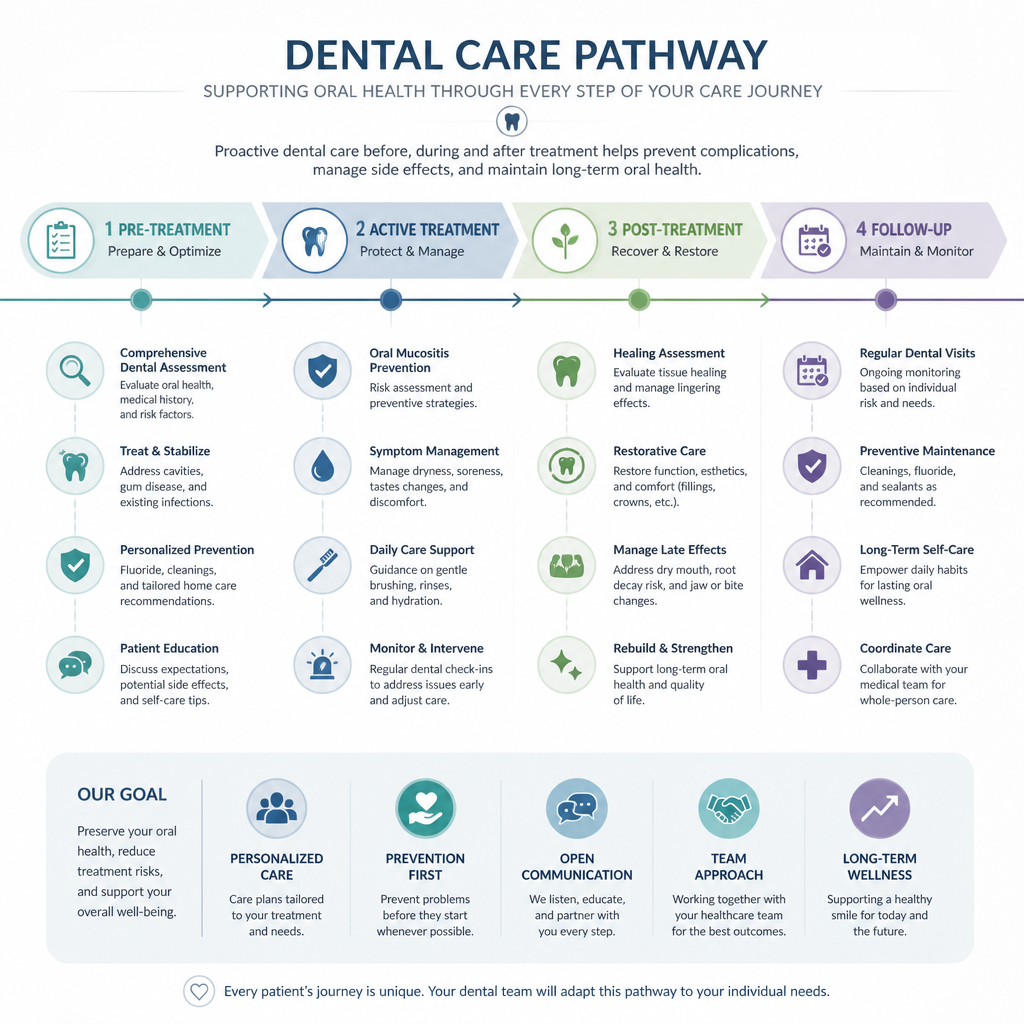
Not every toothpaste ingredient that is harmless in a healthy mouth stays harmless when the mucosa is compromised. Sodium lauryl sulfate (SLS) is a surfactant used as a foaming agent in the vast majority of commercial toothpastes. In patients with healthy oral mucosa and no history of sensitivity, SLS is generally well tolerated. In patients with active mucositis, treatment-damaged tissues, or existing mucosal sensitivity, SLS can act as a direct irritant.
For cancer patients specifically, recommending a gentle toothpaste for cancer patients that is SLS-free and unflavoured is not precautionary overcaution – it is evidence-aligned, patient-centred prescribing. The NCI guidelines for minimising oral mucositis specifically reference the use of mild-flavoured toothpastes. An unflavoured, non-foaming formulation goes further, eliminating both the flavour and the foam that can cause additional distress to an already compromised oral environment.
Pro tip: When recommending products to cancer patients, default to the least irritating option available rather than waiting for the patient to report a problem. By the time a patient tells you that their toothpaste is burning or making them feel sick, they may have already significantly reduced how often they brush. Proactive product selection prevents compliance failure before it starts.
Fluoride Strength: Getting the Dose Right
Fluoride selection during and after head and neck cancer treatment is not a one-size recommendation. During active treatment, a standard 1000 ppm or 1450 ppm fluoride toothpaste used twice daily provides baseline protection and is appropriate for most patients who can tolerate brushing. After treatment, once xerostomia is established, the level of caries risk typically warrants escalation to prescription-strength fluoride – either through custom trays filled with 5,000 ppm fluoride gel, or through high-fluoride toothpaste prescribed by a dentist, depending on individual patient circumstances.
oraNurse’s range – available in fluoride-free, 1000 ppm, and 1450 ppm strengths – gives dental teams the ability to prescribe appropriately for each stage of treatment and for each patient’s specific needs, without the compliance barriers introduced by flavour and foam. For patients who are also managing chemosensory changes or nausea, removing unnecessary sensory triggers from oral hygiene products is a meaningful clinical decision.
Post-Treatment Oral Care and Long-Term Monitoring
The end of radiotherapy is not the end of dental involvement. Patients who have completed head and neck treatment require ongoing, active monitoring because many of the most serious oral complications – including ORN, radiation caries progression, and trismus – develop or worsen in the months and years after treatment ends.
Long-term care priorities include: maintaining daily use of fluoride trays as long as xerostomia persists, applying fluoride varnish at every dental hygiene visit, monitoring closely for early signs of radiation caries in the characteristic patterns (smooth surface, cervical, and generalised demineralisation), providing access to dry mouth management options, and maintaining vigilance around any need for extractions or invasive dental procedures in the irradiated field.
Dental hygienists are critical members of the oral healthcare team for this patient population. Their role extends well beyond routine hygiene – they are primary monitors for early changes, consistent advisors on product use and technique, and often the first clinical contact when a patient notices something new or concerning. Frequent recall intervals, adapted to reflect the patient’s ongoing risk rather than a standard schedule, are appropriate and justified.
Comparing Oral Care Approaches for Head and Neck Cancer Patients
The table below compares three distinct oral care product approaches commonly recommended for head and neck cancer patients across the treatment pathway, looking at their clinical suitability, key limitations, and ideal use case.
| Approach | Clinical Suitability | Key Limitations and Ideal Use Case |
|---|---|---|
| Standard flavoured toothpaste with SLS (e.g., most commercial brands) | Suitable for pre-treatment patients with no existing mucosal sensitivity. Widely available and familiar to patients. | SLS can irritate compromised mucosa. Strong mint flavour often poorly tolerated once treatment begins due to chemosensory changes. Not recommended during active mucositis or post-treatment xerostomia management. |
| Unflavoured, non-foaming SLS-free toothpaste (e.g., oraNurse 1000 ppm or 1450 ppm) | Excellent across all treatment phases, especially during active treatment. Removes flavour and foam compliance barriers. Fluoride delivery without mucosal irritation. Available in multiple fluoride strengths to match clinical need at each stage. | Less familiar to patients used to minty foam. May require brief explanation of why it is recommended. Not a substitute for high-strength fluoride tray therapy in high-risk post-treatment patients, but an excellent daily brush adjunct throughout. |
| High-strength fluoride gel in custom trays (5,000 ppm prescription) | The gold standard for caries prevention in post-treatment patients with established xerostomia. Custom trays ensure close contact with tooth surfaces. | Requires fabrication of trays and patient compliance with a daily tray-wearing routine. Not suitable as a replacement for twice-daily brushing – needs to be used alongside a gentle daily toothpaste. Cost and access can be barriers in some settings. |
Frequently Asked Questions
Can head and neck cancer patients use any standard toothpaste during radiotherapy?
Most standard toothpastes are not ideal for patients in active head and neck radiotherapy. The strong mint flavours found in commercial toothpastes can trigger nausea or discomfort due to chemosensory changes, and SLS – the foaming agent – can irritate mucosa that is already inflamed from radiation. Clinical guidelines specifically recommend mild-flavoured toothpastes for patients with oral mucositis. An unflavoured, non-foaming formulation is a better clinical choice during treatment and is often better tolerated by patients who are struggling to maintain their oral hygiene routine.
When should a patient with head and neck cancer be referred to a dental team?
Referral should happen before radiotherapy begins, not after. The pre-treatment dental assessment is the most important clinical opportunity in the pathway. Ideally, patients should be seen with enough time to complete any necessary extractions, allow for healing, address periodontal disease, restore carious lesions, fabricate custom fluoride trays, and provide oral hygiene instruction – all before the first fraction of radiation is delivered. Late referrals significantly limit what can safely be done.
Is oral mucositis inevitable in head and neck cancer treatment?
For patients receiving concurrent chemotherapy and radiotherapy for locoregionally advanced head and neck cancer, oral mucositis is very common – occurring in the majority of patients. While it may not always be entirely preventable, its severity can be significantly reduced through excellent oral hygiene maintained throughout treatment, use of appropriate products that do not add further mucosal insult, and close monitoring by the dental team. Severe mucositis (WHO grade 3 or 4) is what clinicians should be working hardest to prevent, as this is the level associated with serious systemic consequences and treatment interruption.
How long does the elevated caries risk last after head and neck radiotherapy?
The elevated caries risk is typically lifelong in patients with radiation-induced xerostomia. Because salivary gland damage from high-dose radiation is often permanent, the protective functions of saliva – buffering acid, washing away food debris, and remineralising tooth surfaces – remain significantly reduced indefinitely. This means post-treatment patients require ongoing preventive intervention, including daily fluoride therapy, regular fluoride varnish applications at dental visits, and continued use of appropriate oral hygiene products for the rest of their lives.
What is the role of a soft toothbrush and small head during head and neck cancer treatment?
Toothbrush selection matters significantly in this patient group. A super-soft brush with a small head allows effective plaque removal while minimising mechanical trauma to fragile, treatment-damaged mucosa. As trismus can develop and progressive restriction of jaw opening begins – often early in the treatment course – a small-headed brush also becomes a practical necessity for reaching posterior teeth. For patients in hospital or care settings, or those with reduced manual dexterity, a silicone fingertip brush can provide an adapted alternative when conventional brushing is not manageable.
Should patients stop brushing if their mouth is very sore from mucositis?
No. Stopping brushing during mucositis is a common patient response that makes clinical outcomes worse, not better. Abandoning oral hygiene allows bacterial load to increase on already compromised tissue, raising infection risk and prolonging mucosal damage. The clinical priority is to keep patients brushing with adapted tools and the least irritating products available. A super-soft brush, an unflavoured non-foaming toothpaste, and frequent bland rinses allow patients to maintain effective oral hygiene even during the most painful phases of treatment.
References
- Current understanding and dental management of patients undergoing head and neck radiotherapy (PMC)
- Dental management before, during, and after head and neck radiotherapy (NCBI Bookshelf)
- Addressing xerostomia in head and neck cancer patients: guidance for dental hygienists
- NCI PDQ: Oral complications of chemotherapy and head and neck radiation (health professional version)
- Oral side effects of radiotherapy for head and neck cancers: a protocol for dentists and dental hygienists (PMC)